Weight Gain Meals Hidden in Healthy Eating
A lot of ladies eat nutritious foods and still put on weight. The food looks healthy. The portions seem fair. The effort stays the same. But the scale goes up, the energy goes down, and the clothing seems tighter. This situation seems unjust and puzzling, especially because you think you are making healthy eating choices.
This is why it becomes crucial to know what meals cause weight gain. Some foods look nutritious, yet they actually slow down your metabolism. When you eat the wrong foods, your body stores more fat, even if you do not eat too much. Women can make minor, science-based changes instead of blaming themselves if they know how the process happens. Understanding how weight gain meals affect hormones, metabolism, and digestion is an important first step.
What Are Meals That Help You Gain Weight?
Not Junk Food
Meals that help you gain weight are not quick food or sugary snacks. A lot of them are produced using whole meals and substances that are often suggested. Food quality is not the only problem. It is how food changes blood sugar, hormones, and how much energy we use.
Eating healthy foods can nevertheless make you gain weight if you overeat, lack the right nutrients, or fail to plan your meals. The body responds to signals, not food labels.
Harvard Health Publishing says that eating nutritious foods that are high in calories without balance can make you store fat.
The Density of Calories Is Important
Some healthful meals include a lot of calories in little amounts. Common examples include:
- Nuts
- Oils
- Smoothies
- Cereal
- Nut butters
These foods are good for you, but it is simple to eat too much of them. When the body gets more calories than it needs, it stores the extra as fat.
Meals for women who want to gain weight often have a lot of calories but not enough protein or fibre to slow digestion.
High Blood Sugar
Meals that quickly elevate blood sugar make it easier for the body to store fat. Eating many healthy carbs or just one of them will raise your blood sugar.
Examples include:
- White rice
- Fruit juices
- Dried fruits
- Refined grains
These foods can all make insulin levels go up. The hormone insulin transports energy into storage.
The Journal of Nutrition released research that demonstrates that having high blood sugar levels often makes you store more fat, especially in women.
Insulin and Storing Fat
By itself, insulin does not make you gain weight. When levels stay high all day, it becomes an issue.
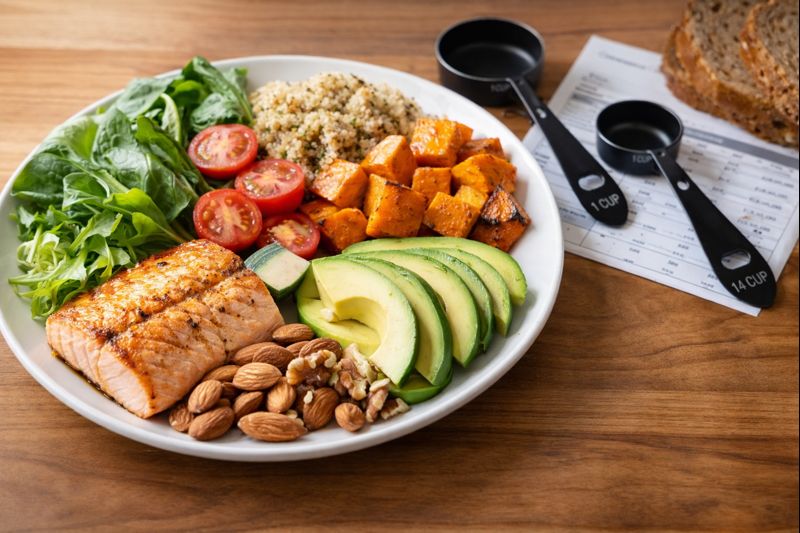
Meals that help you gain weight frequently have:
- Little protein
- Fast-digesting carbs
This pattern keeps insulin levels high and stops fat from being released.
Harvard Medical School says that insulin sensitivity is crucial for keeping weight off in the long term.
Distortion of Portions
Over time, even nutritious foods have gotten bigger portions. Usually:
- Bowls are too large
- Smoothies are oversized
- Salads contain excessive ingredients
A “healthy” dinner might discreetly treble the number of calories you eat without making you feel satisfied. This causes weight gain to slowly increase.
Healthy meals that make you gain weight frequently do not work since the portions do not match your energy needs.
Too Much or Too Little Protein
Protein helps keep your metabolism safe and keeps you from getting hungry. Eating meals low in protein makes you digest food faster and makes you want more, which is common in many weight gain meals.
Many women eat meals that are largely made up of:
- Carbs
- Fats
Muscle mass steadily goes down when you do not consume adequate protein.
The American Journal of Clinical Nutrition says that women who do not eat enough protein have slower metabolisms.
Calories in Liquid That You Cannot See
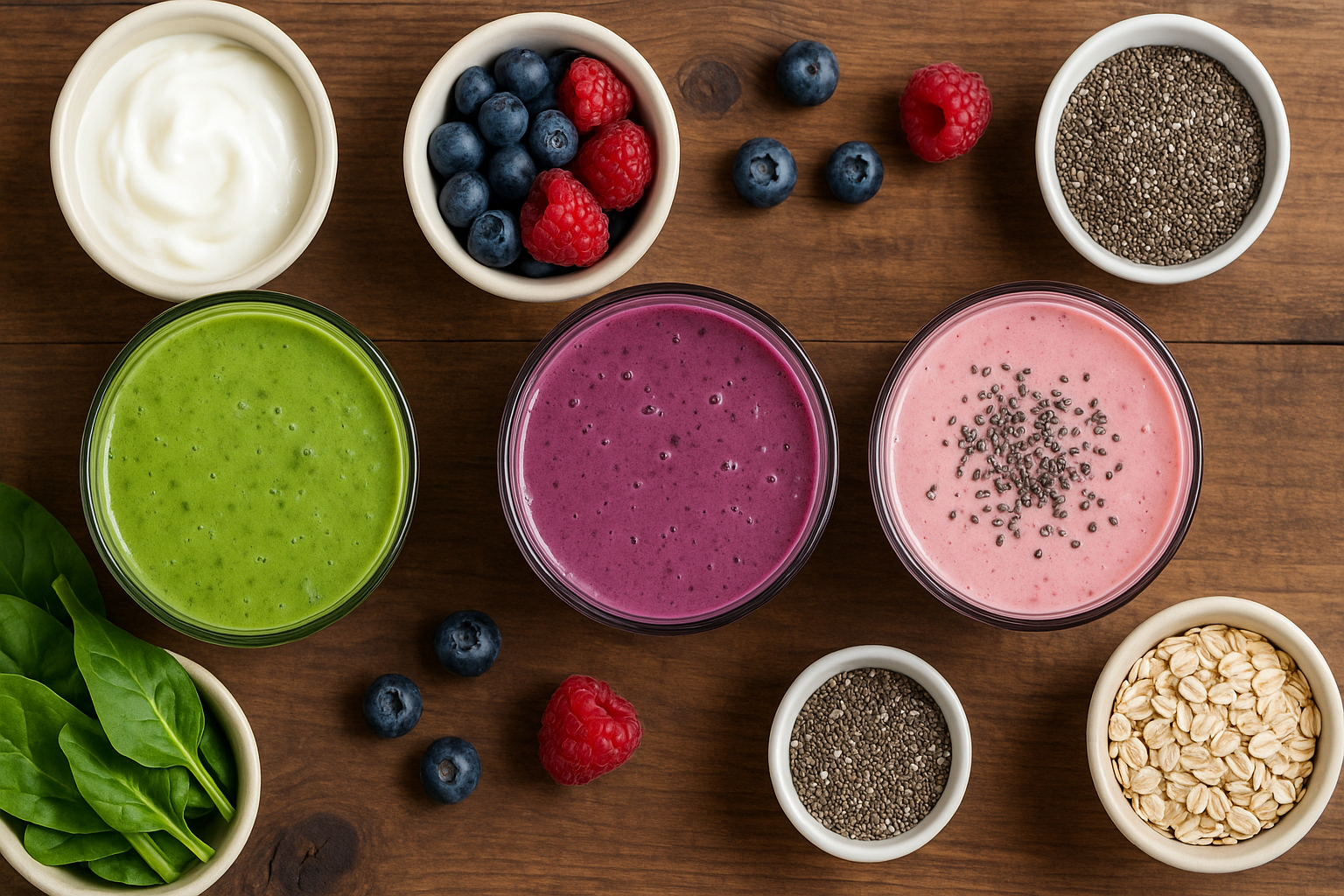
Smoothies, juices, and other beverages are common meals that make you gain weight. Liquids do not correctly send signals that you are full and digest swiftly.
Healthy smoothies can be high in calories. Smoothies can make you feel hungry later if they lack protein and fibre.
Some women use structured programmes, like the Smoothie Diet, to make sure they get the right amount of food and nutrients.
👉 https://tinyurl.com/mwrezbrp
This method works best when smoothies are well-balanced and planned.
Hormonal Sensitivity in Women
Women react to food cues in a different way than men. Oestrogen, cortisol, and insulin are hormones that have a lot to do with how fat is stored.
Cortisol levels rise when you are stressed, do not receive enough sleep, or do not eat enough. High cortisol makes you store fat in your stomach.
The Journal of Clinical Endocrinology & Metabolism demonstrates that stress makes women store fat more quickly.
Eating Without Realising It
Overeating is not necessarily caused by stress. Sometimes it makes people eat too little during the day and too much at night.
This pattern messes up metabolism and makes it easier for the body to store fat. The body processes food differently when you eat it under stress.
Even when calories seem to be under control, meals that lead to stress eating and weight gain regularly happen.
Meals With Little Fibre
Fibre slows down digestion and keeps blood sugar levels steady. Meals that are low in fibre digest quickly and make you hungrier.
Many meals that look healthy do not have:
- Whole grains
- Vegetables
This makes people hungry a lot.
Nutrients Journal says that a lack of fibre can increase the likelihood of weight gain.
Why Healthy Diets Do Not Always Work
Not All Healthy Things Are Balanced
A lot of women acquire weight even when they eat meals that say they are healthy. Salads, smoothies, nutritious grains, and meals made with plants often seem like the best choices. The meal itself is not the problem. The problem is how these weight gain meals change the way the body burns calories.
Meals that are not balanced are often the ones that make you gain weight. Too many carbs, not enough protein, and not enough fibre can gently slow down fat burning. Not food labels, but nutrient signals tell the body what to do.
Harvard Health Publishing says that eating balanced meals is more important than just eating “clean” foods.
Carbohydrates Without Help
There is nothing wrong with carbohydrates. When taken alone or in big amounts, they become a concern. Meals that are high in grains, fruit, or starch but low in protein elevate blood sugar quickly.
This causes insulin levels to rise. Insulin tells the body to store extra energy as fat. When this event happens over and over, it gets harder to lose weight.
Carbohydrates are often too high in meals that make you gain weight, and there is not enough protein or fat to slow down digestion.
Patterns of Low Protein
Protein keeps metabolism going and protects muscles. Many healthy diets cut back on protein without meaning to.
A lot of the time, smoothie bowls, oatmeal breakfasts, and plant-based lunches do not have much protein in them. Hunger comes back immediately, and then energy drops.
The American Journal of Clinical Nutrition says that insufficient protein intake increases the likelihood of weight gain in women.

Eating Too Much
People often say that snacking a lot is good for you. For some women, eating all the time keeps their insulin levels high.
This stops fat from being released. When consumed too regularly, even nutritious snacks can turn into weight gain meals.
According to a study from Harvard, eating meals at the right times makes insulin more sensitive and metabolism more flexible.
Stress Changes How Food Affects You
Stress alters the way the body breaks down food. Cortisol levels go up when you are stressed. Cortisol tells the body to save energy.
Eating healthy meals while you are stressed can nevertheless make you store fat. This is why dieting does not work very well when you are stressed.
Cleveland Clinic says that stress chemicals make the body store more fat in the abdomen, no matter how many calories you eat.
Not Eating Enough Slows Down Your Metabolism
A lot of women eat less in order to lose weight. This sends warning messages to the body over time.
The metabolism changes by slowing down. You stop losing fat, and your energy declines. This often makes people gain weight again.
After a long time of not eating, people often gain weight even though they eat healthy.
Calories in Liquid Form
People often do not notice drinks. Smoothies, juices, plant milks, and speciality coffees increase calories but do not fill you up.
Liquids do not need to be chewed, which makes you feel less full.
Some women select structured methods, like the Ikaria Lean Belly Juice, to help their metabolism stay in balance and become more mindful of what they eat.
👉 https://tinyurl.com/5c55czae
This works best when you eat regular meals and drink fewer calories.
“Healthy” Foods That Cause Inflammation
Some healthful foods can make people who are sensitive to them inflamed. Dairy, gluten, or other plant chemicals can make you feel fatigued and bloated.
Inflammation messes up the signals of hormones and insulin. This makes metabolism slower.
Different people react differently to foods that cause inflammation and weight gain. Most of the time, it is better to watch what you eat than to cut out whole groups of foods.
People Do Not Pay Enough Attention to Gut Health
The gut talks to hormones that make you hungry and pathways that help you burn calories. When your gut is not balanced, it changes how your body uses calories.
A gut that is not working right can make you want more food and store more fat. Even meals that are beneficial for you could not be digested properly.
Nutrients Journal says that an imbalance in the stomach can make you more likely to gain weight.
Some women use products like Lean Biome to help keep their gut in balance, combined with better diet planning.
👉 https://tinyurl.com/2wmmpafk
This method works best when meals are the same every day and fibre intake increases.
Over Time, Portion Creep
Without warning, portions slowly get bigger. More calories come from bigger bowls, bigger plates, and tasting food often.
People do not often examine how much food they eat because it is healthy.
Healthy meals that make you gain weight usually do so by slowly increasing the size of your portions instead of making you eat too much.
Why Do Women Go Through This More?
Hormonal changes affect women more. Changes in metabolism happen during menopause, stress, and sleep.
This means that even tiny changes in your diet might have enormous effects.
The Journal of Clinical Endocrinology & Metabolism says that women are more likely to have metabolic problems when they do not eat regularly.
The Main Point
Unbalanced, unstructured meals lacking metabolic knowledge negate the benefits of healthy diets. People often gain weight because they eat meals that are meant to be nutritious for them but do not send the right signals.
When meals help with blood sugar, protein demands, and stress management, metabolism starts to get better.
How to Keep from Gaining Weight Without Dieting
Do Not Restrict Yourself; Focus on Balance
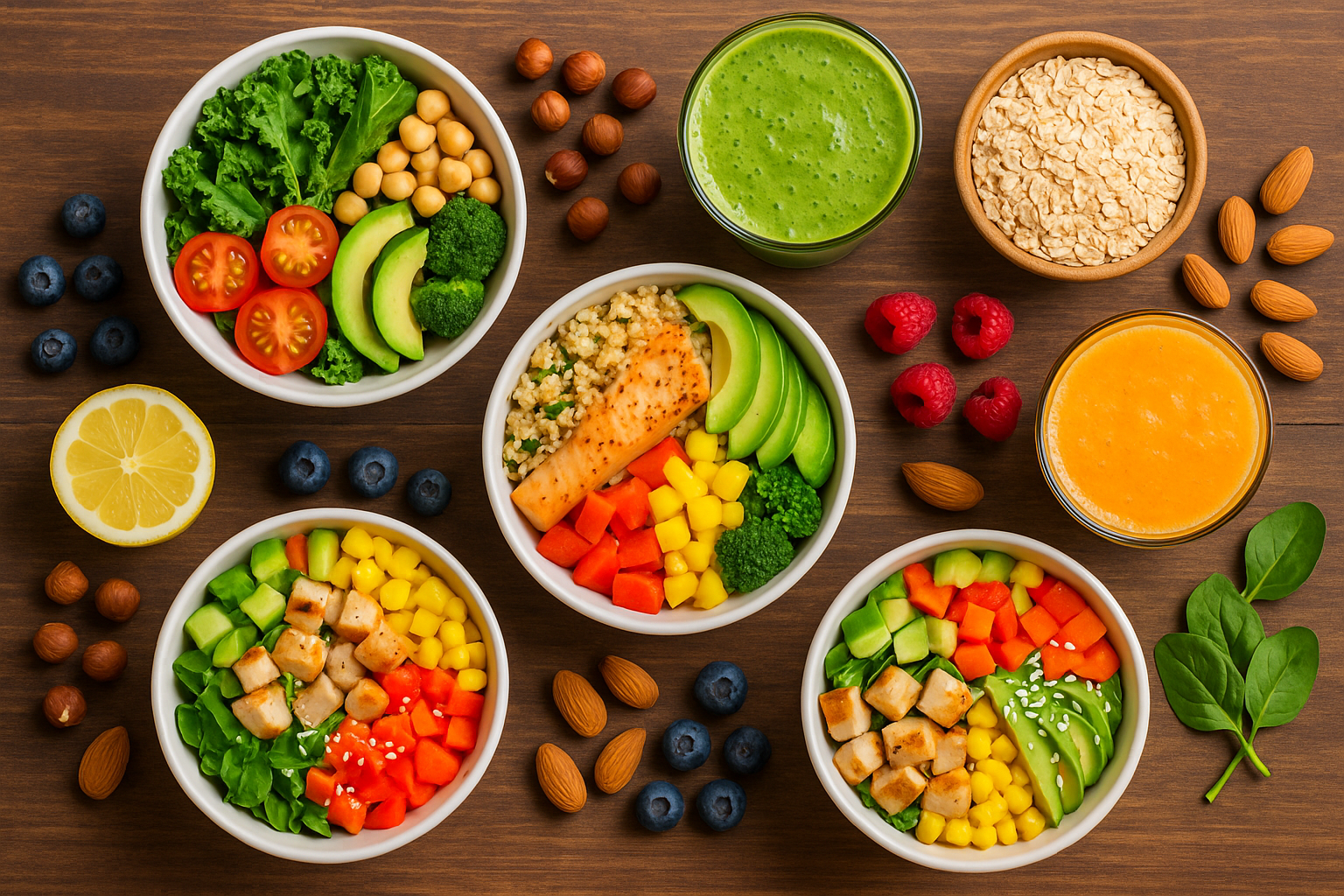
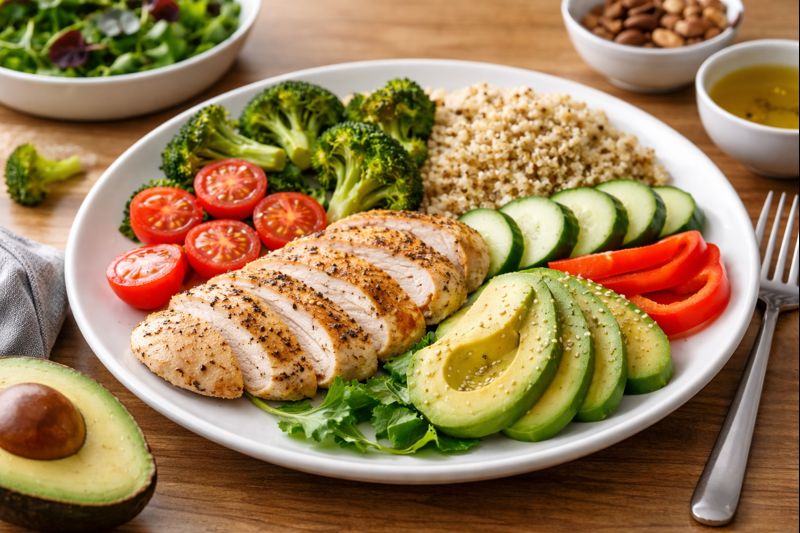
You do not have to go on a strict diet to avoid gaining weight. It needs to be balanced. When meals have the correct balance of protein, fibre, and healthy fats, the body gets clearer messages about how to use its energy and prevents them from becoming weight gain meals.
Meals that are balanced slow down digestion and keep blood sugar levels stable. This helps keep energy levels stable and lowers insulin spikes.
Harvard Health Publishing says that balanced meals are better at controlling appetite and fat storage than limiting food intake.
First, Protein
Every meal should have protein as its base. It preserves muscles, boosts metabolism, and makes you feel full.
Meals that are mostly made up of carbs digest rapidly and make you hungrier. This can lead to overeating later on.
Women often gain weight when they do not get enough protein, even if they think they are eating right.
The American Journal of Clinical Nutrition says that eating more protein helps your metabolism and helps you lose fat.
Fibre Slows Down Fat Storage
Fibre helps keep blood sugar and digestion in check. Vegetables, beans, and nutritious grains fill you up without adding extra calories.
Low-fibre foods are easy to digest, and they make you want more. This pattern helps people gain weight over time.
The Journal of Nutrition says that eating enough fibre can help you control your weight and your hunger better.
More Important Than Counting Is Timing
The timing of your meals influences your hormones. Not eating or eating late at night makes stress signals stronger.
Eating at the same times every day helps keep cortisol and insulin levels stable. This makes signals that help burn fat stronger.
Even if you eat healthy, you may still gain weight. However, this usually gets better when you eat at the same time every day.
Cut Down on Liquid Calories
Liquid calories digest quickly and do not make you feel full. Smoothies, juices, and other special drinks are often concealed sources.
You have to chew whole items, and they take a long time to digest. This makes you feel fuller and speeds up your metabolism.
Cutting back on liquid calories alone can fix a lot of weight-gain meals habits.
Support Your Liver’s Function Naturally
The liver is very important for breaking down fat. It changes fat that has been stored into energy that may be used.
Stress, inflammation, and not getting enough sleep all make the liver less efficient. Fat loss slows down when this happens.
Some ladies use Hepato Burn to help their liver metabolism combined with eating well and moving around every day.
👉 https://tinyurl.com/3b8h2vkz
This works best when you eat meals that help you gain weight and stick to a regular schedule.
Do Not Be Afraid of Healthy Fats
Fats that are beneficial for you help hormones and digestion. Olive oil, avocados, almonds, and seeds make meals more filling.
Fat only becomes a problem when you eat too much of it or your meals do not include enough protein and fibre.
Getting the right amount of fat helps keep your metabolism stable instead of making you gain weight.
Stress Changes Everything
Stress changes how the body breaks down food. Cortisol tells the body to store fat even while you are trying to lose weight.
When you lower your stress levels, your metabolism responds better to food. Sleep, exercise, and simple meals are all important.
Cleveland Clinic says that lowering stress can help with weight loss, even if you do not modify your diet.
Daily Movement Completes the System
Using energy is not just about working out. Moving about every day makes insulin work better.
Walking for a short time, standing up for a break, and stretching gently all help fat metabolism.
When you walk more, meals that make you gain weight have less of an effect.
Being Consistent Is More Important Than Being Perfect
You do not need to eat perfectly. Patterns that stay the same are more important.
Not having a meal plan or liking flexibility does not mean you have not made progress.
Peaceful repetition is more beneficial for the body than rigorous control.
Important Point
To avoid gaining weight, you need to eat meals that are balanced and timed and support your metabolism. When meals are planned and there is not much stress, losing fat becomes predictable.
The idea is not to eat less but to signal better.
Final Thoughts
A lot of women acquire weight not because they eat poorly, but because meals that make them gain weight mess up their metabolism. These meals change blood sugar, hormones, and fat accumulation without any clear indicators.
Women can safely change these practices by focusing on eating balanced meals, eating at regular times, and lowering stress. Change one meal today and let your body respond naturally.
Questions That Are Asked a Lot (FAQs)
What are meals that help you gain weight?
Weight-gain meals are meals that make you store fat without you even knowing it, even if they look nutritious. They often make blood sugar levels go up, hormones get out of balance, or people eat too many calories without feeling full.
Can eating healthy really make you gain weight?
Yes. If you overeat, lack sufficient protein or fibre, or consume food in a way that slows your metabolism, healthy foods can still cause weight gain.
Why do women gain weight even when they eat healthy?
Women are more sensitive to changes in insulin, cortisol, and hormones. Even when calorie intake appears reasonable, certain meals can cause women to store fat.
Are carbs the key reason why meals make you gain weight?
No. Carbs by themselves are not terrible. When you eat them without enough protein, fibre, or healthy fats to slow digestion, you run into trouble.
How can blood sugar impact weight gain?
Insulin levels go up when blood sugar levels go up a lot. High insulin makes it easier for the body to store fat and harder to lose it over time.
Are portion sizes important when eating healthy foods?
Yes. Many healthful meals are high in calories. Big amounts can turn healthy meals into ones that make you gain weight without you even realising it.
Can stress make you gain weight even if you eat healthy?
Yes. Stress boosts cortisol, which makes the body store fat. Eating healthy meals while you are stressed can slow down your metabolism.
How can I avoid gaining weight without going on a diet?
Eat balanced meals that have protein, fibre, and healthy fats. Try to eat at the same times every day and stay away from liquid calories when you can.
Do natural weight reduction supplements help with meals that make you gain weight?
They can help with digestion, metabolism, or liver function, but they work best when meals are planned and balanced first.
Is this problem more common in women over 40?
Yes. As women grow older, their hormones fluctuate, they lose muscle, and they become more sensitive to stress. This makes them more likely to gain weight from meals.
Health Disclaimer
This article is for educational purposes only and does not replace medical advice. Always consult a qualified healthcare professional before starting any diet or supplement program, especially if you have medical conditions or take medication.
Product Links (Reference)
- Smoothie Diet program → https://tinyurl.com/mwrezbrp
- Ikaria Lean Belly Juice → https://tinyurl.com/5c55czae
- Hepato Burn → https://tinyurl.com/3b8h2vkz
- Lean Biome → https://tinyurl.com/2wmmpafk