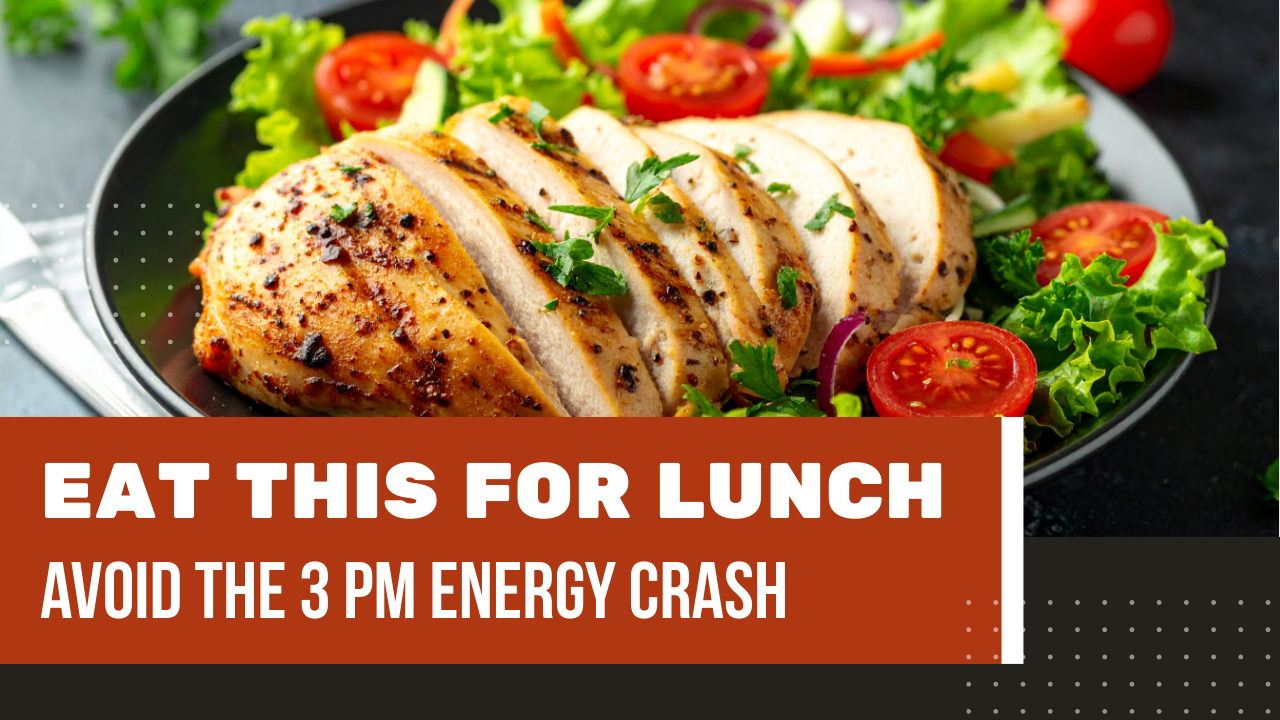
Intermittent Fasting Meal Plan 16:8 for Natural Weight Loss
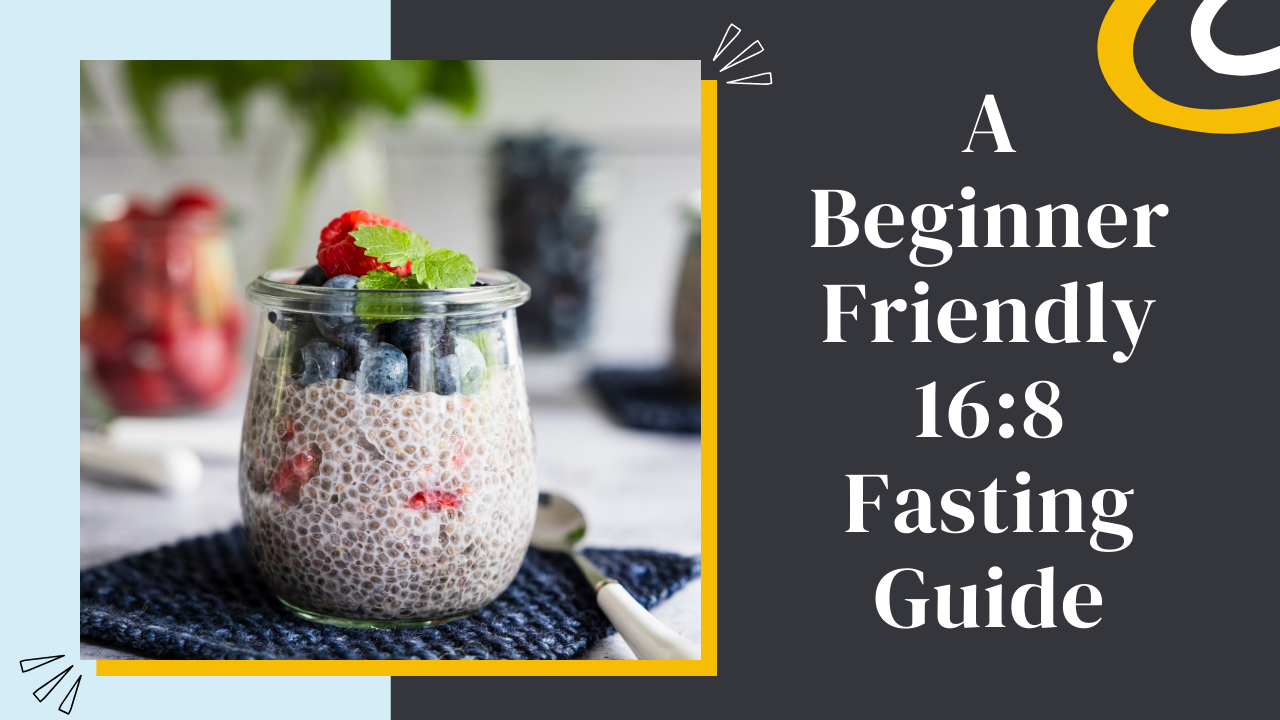
The study [Patterson & Sears, 2017] says that eating at certain times can help balance hormones, lower inflammation, and make the body work better. A 16:8 intermittent fasting meal plan 16:8 schedule does not starve your body; instead, it gives it structure. Insulin levels drop, fat-burning pathways turn on, and appetite hormones reset during the fasting window [Longo & Panda, 2016]. Most women say that their appetites go down, their digestion gets better, and their energy stays the same all day.
A lot of women want to lose weight in a calm, realistic way that does not include strict diets, complicated calorie limits, or always being hungry. The intermittent fasting meal plan 16:8 is one of the most researched and reliable methods for losing weight naturally.
WHY 16:8 WORKS
The intermittent fasting meal plan 16:8 works because it keeps hormones in balance, metabolism healthy, the gut in check, and energy levels stable. Studies show that persons who eat only at certain times of the day have better body composition, waist circumference, and blood sugar levels [Gabel et al., 2018]. This arrangement can be quite helpful for women because it keeps their appetites stable and stops them from eating too much while following the intermittent fasting meal plan 16:8.
How Fasting Makes Hormones Better
Some hormones that affect weight gain, hunger, and fat storage are insulin, cortisol, leptin, and ghrelin. If you eat a lot of snacks and meals late at night, your insulin levels may stay high, which means your body will store fat instead of burning it.
Studies show that fasting for 14 to 18 hours can make insulin more sensitive and lower insulin levels in the blood [Sutton et al., 2018]. This makes it easier for the body to get to stored fat. Eating only at certain times also controls leptin, the hormone that makes you feel full, and lowers cortisol spikes. Both of these things are associated with belly fat and emotional eating in women [Hutchison et al., 2019].
Women often feel:
– Less desire
– Easier to keep your appetite in check
– Less fat in your belly
– Eating habits that are more relaxed
Intermittent fasting (16:8) often seems less stressful than traditional dieting since it works with your body.
WHAT METABOLISM DOES FOR WOMEN
As women get older, go through hormonal changes, or deal with stress, their metabolism slows down. A study published in Cell Metabolism found that eating at certain times of the day makes the metabolism more flexible, helps the body burn fat, and improves the function of mitochondria [Chaix et al., 2019]. These benefits are especially helpful for women following the intermittent fasting meal plan 16:8.
With a 16:8 intermittent fasting meal plan, your body may switch from burning sugar to burning fat for long periods of time without any breaks. This change in metabolism can lead to:
– More steady energy in the morning
– Fewer crashes in the middle of the day
– Not as much swelling
– Easier to absorb
– Natural weight loss that happens slowly over time
Women often notice that their metabolism is better when they stop munching and having insulin spikes all the time.
Hunger, Cravings, and Amount of Energy
Most of the time, cravings are caused by changes in blood sugar levels, mental stress, or hormonal changes—not a lack of willpower. Studies show that eating only at certain times of the day can help with evening hunger, help control appetite, and keep blood sugar levels stable [Thomas et al., 2020].
The 16:8 intermittent fasting meal plan helps hormones like ghrelin work better, which makes it easier to quit eating too much. Women often say:
– Less desire at night
– Eating less because of emotions
– Easier to keep track of portions
– More steady energy all day long
– Not as much snacking
It is much easier to have a healthy, calm relationship with food when your hunger hormones settle.
THE 16:8 MEAL WINDOW: THE BASICS
It is important to know how to plan your eating window so that the 16:8 intermittent fasting meal plan is easy, healthy, and doable in real life. It is not about being perfect; it is about finding a rhythm. Eating at the same time every day helps your hormones, metabolism, and digestion work properly.
The Best Time for Ladies
Women do best when they eat at times that are good for their hormones, cortisol levels, and daily energy needs. Studies show that eating earlier can help keep blood sugar levels stable, cut down on cravings at night, and boost cortisol levels [Sutton et al., 2018].
The best 16:8 fasting plan for ladies is:
- 10 a.m. to 6 p.m. (great for energy and hunger)
- 11 a.m. to 7 p.m. (perfect for busy women)
- 12 p.m. to 8 p.m. (great for dining with family and friends)
Earlier windows are better for losing weight naturally since they fit with your body’s normal sleep-wake cycle. But pick the time that works best for you; consistency is more essential than timeliness.
FOODS THAT BREAK THE FAST SLOWLY
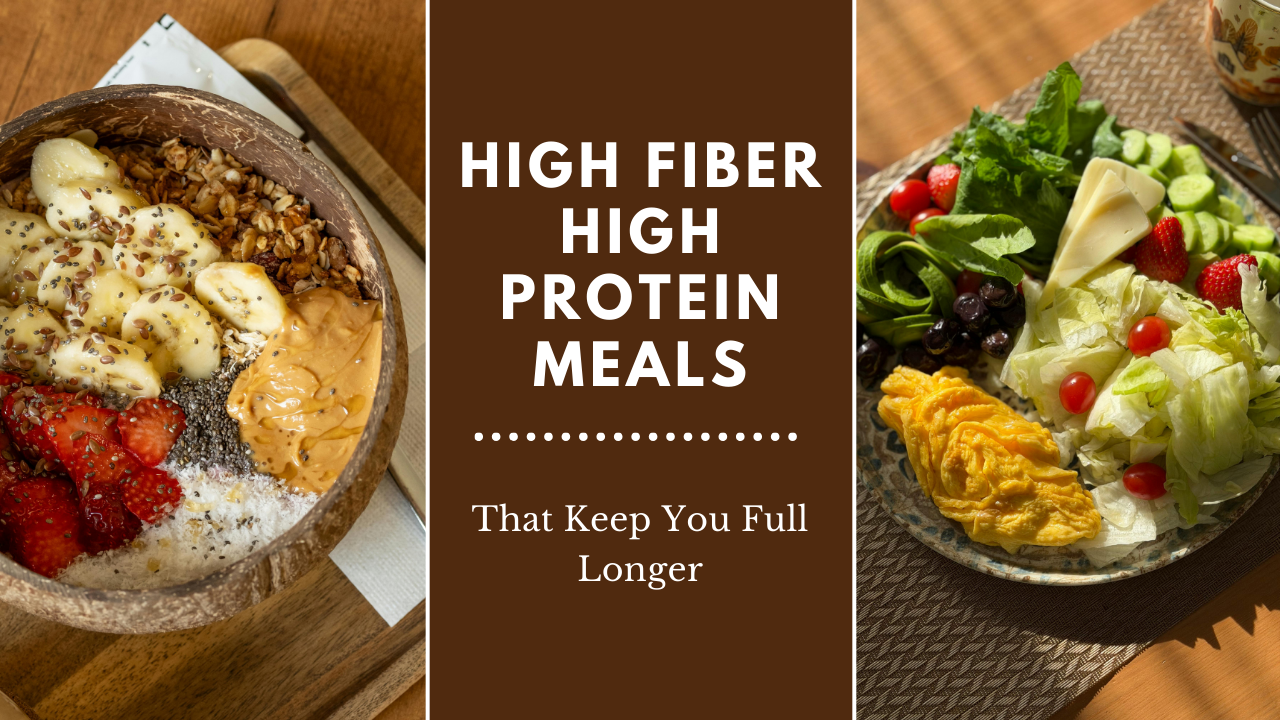
How you break your fast will affect your energy, hunger, and digestion for the remainder of the day. Your first meal should be calming, steady, and full of protein, healthy fats, and fibre to keep your blood sugar from rising.
The best foods to consume after a fast are:
- Greek yoghurt or cottage cheese
- Eggs or little bits of egg
- Protein smoothie
- Lentil soup
- Chia pudding
- Vegetables and salmon
- Oatmeal with nuts and seeds
Research shows that consuming meals high in protein at the start of your eating window helps keep your appetite hormones in check and cuts down on cravings throughout the day [Leidy et al., 2015]. This approach works best when following the intermittent fasting meal plan 16:8.
Breakfast Choices & Smoothie Support
One of the easiest ways to break your fast is with a smoothie that is full of protein, fibre, and healthy fats. A smoothie is the best choice because:
- Not too hard on digestion
- Keeps blood sugar stable
- Easy for hectic mornings
- Can be changed to fit hormones and energy
If you are a woman looking for help, a planned smoothie routine like The Smoothie Diet Programme is a simple way to start your eating window with foods that support your metabolism and keep you full.
👉 Smoothie Diet Programme: https://tinyurl.com/mwrezbrp
Best smoothie ingredients include:
- Protein powder
- Chia or flax seeds
- Berries
- Spinach
- Nut butter
- Greek yoghurt
- Optional oats
These foods help you control your hunger and maintain energy for hours.
THINGS YOU SHOULD NOT DO WHILE EATING
The goal of your 8-hour eating window is to keep your blood sugar, digestion, and insulin levels stable. Some foods can make cravings worse, increase hunger, or disrupt energy, which makes fasting harder the next day.
Avoid (or limit):
- Breakfast cereals high in sugar
- Muffins, pastries, sweetened coffee drinks
- Fried foods
- Highly processed snacks
- Energy drinks
- White bread and pasta
- Takeout meals high in salt
These foods spike insulin, increase cravings, and cause the “afternoon crash.” The 16:8 intermittent fasting meal plan works much better when your eating window stays clean and balanced.
WHAT SHOULD YOU EAT DURING 16:8?
The next stage is to pick meals that will speed up your metabolism, balance your hormones, and help you lose weight naturally after you have set your fasting window. Women on the 16:8 diet should eat meals that are high in protein, healthy fats, colourful vegetables, and slow-burning carbohydrates.
Choices for Breakfast in the Morning
Your first meal should be healthy, filling, and calming. One of the easiest ways to break your fast is with a smoothie that is full of protein, fibre, and healthy fats. A smoothie is the best choice because:
- Not too hard on the stomach
- Keeps blood sugar stable
- Easy for hectic mornings
- Can be changed to fit hormones and energy
If you are a woman looking for help, a planned smoothie routine like The Smoothie Diet Programme is a simple way to start your eating window with foods that are good for your metabolism and will keep you full.
👉 Smoothie Diet Programme: https://tinyurl.com/mwrezbrp
The best things to put in a breakfast smoothie are:
- Protein powder
- Chia or flax seeds
- Berries
- Spinach
- Nut butter
- Greek yoghurt
- You do not need oats
These foods help you control your hunger and give you energy for hours.
Lunch for Steady Energy
Lunch should be the most balanced meal of the day, with a lot of protein, fibre, healthy fats, and slow carbohydrates. This keeps your blood sugar steady and stops the afternoon slump many women have.
Lunch choices:
- Grilled chicken with quinoa and veggies
- Lentil salad with olive oil
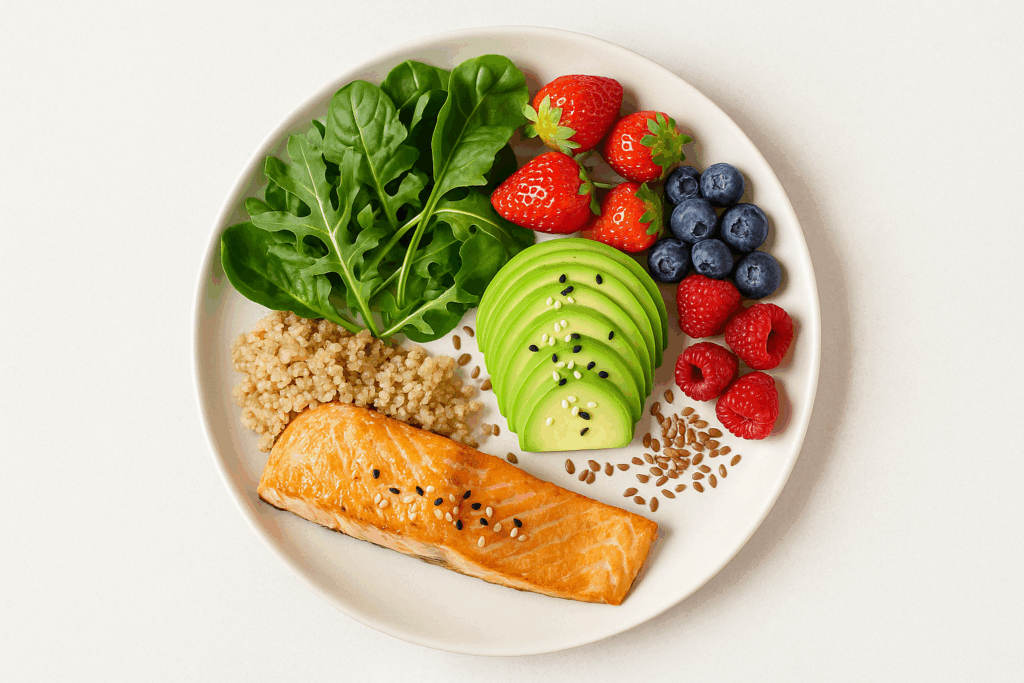
- Salmon bowl with greens and avocado
- Stir-fry tofu with vegetables
- Turkey wrap with whole-grain tortilla
This meal supports metabolism boosting, hormone balance, and better mood for women following the 16:8 intermittent fasting meal plan.
Dinner to Help You Lose Weight Naturally
Dinner should be light, nutrient-dense, and calming. Eating lighter dinners can help you sleep better, reduce cravings, and improve insulin sensitivity [Jakubowicz et al., 2013].
Best dinner options:
- Vegetable soup with protein
- Lean fish and roasted vegetables
- Omelette with greens
- Chickpea curry
- Turkey meatballs with zucchini noodles
Keeping dinner simple helps your body end the day in a stable metabolic state, making fasting easier the next morning.
A SAMPLE MEAL PLAN FOR WOMEN (16:8)
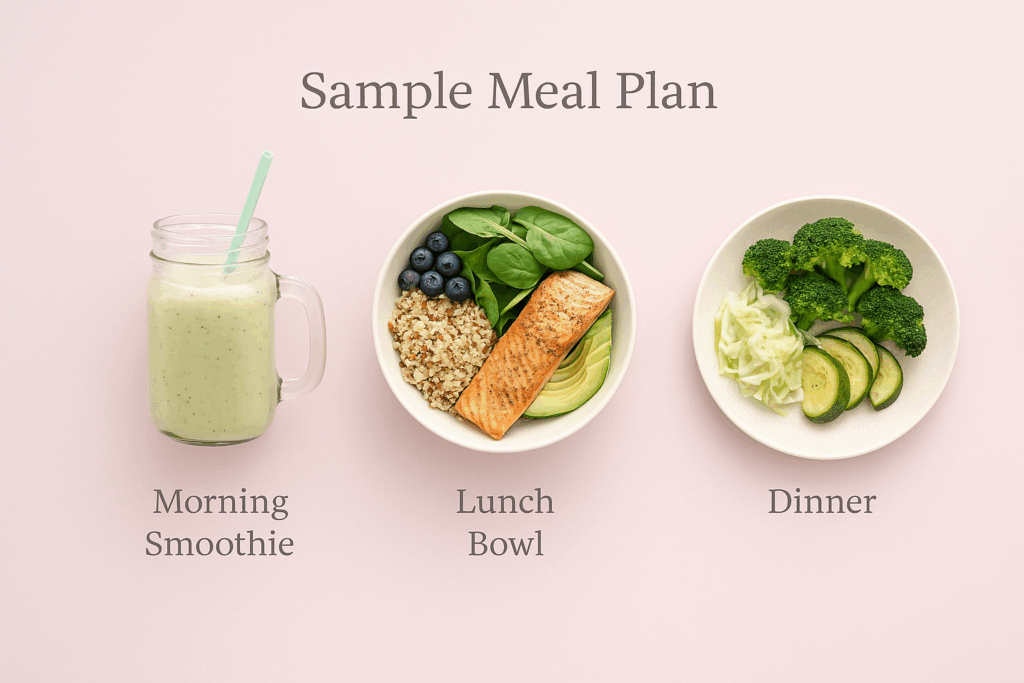
You may see how realistic and sustainable fasting can be by following a simple diet meal plan that structures your meals throughout the day. The plan below is balanced and moderate. It includes meals that are low-GI, high in protein, and good for your hormones.
Example of a Day of Fasting (Easy Routine)
10 a.m. – Breakfast:
Protein smoothie with berries and chia seeds
(Smoothie Diet Programme link already appears above)
– keeps blood sugar stable
– stops cravings
– boosts morning energy
1 p.m. – Lunch:
Quinoa bowl + salmon + vegetables + olive oil
– anti-inflammatory
– boosts metabolism
– keeps appetite steady
5:30–6 p.m. – Dinner:
Light vegetable soup + chicken or chickpeas
– easy digestion
– fewer evening cravings
– stable overnight blood sugar
BEST SNACKS + HYDRATION SUPPORT
Best Snacks During the Eating Window
Snacks should be small, healthy, and rich in protein. They should prevent overeating—not trigger it.
Best snacks:
- Greek yoghurt
- Mixed nuts
- Cottage cheese
- Apple with almond butter
- Hummus with carrots
Water and Minerals Help
Drinking enough water is a vital part of being able to fast. Not drinking enough water may trigger hunger, sugar cravings, and low energy. Women should drink water consistently during both fasting and eating windows.
Best hydration choices:
- Water
- Herbal teas
- Lemon water
- Electrolyte water
- Mineral-rich broth
Research indicates that proper hydration improves mood, energy, and appetite control during fasting [Popkin et al., 2010].
SUPPLEMENTS TO HELP YOU FAST
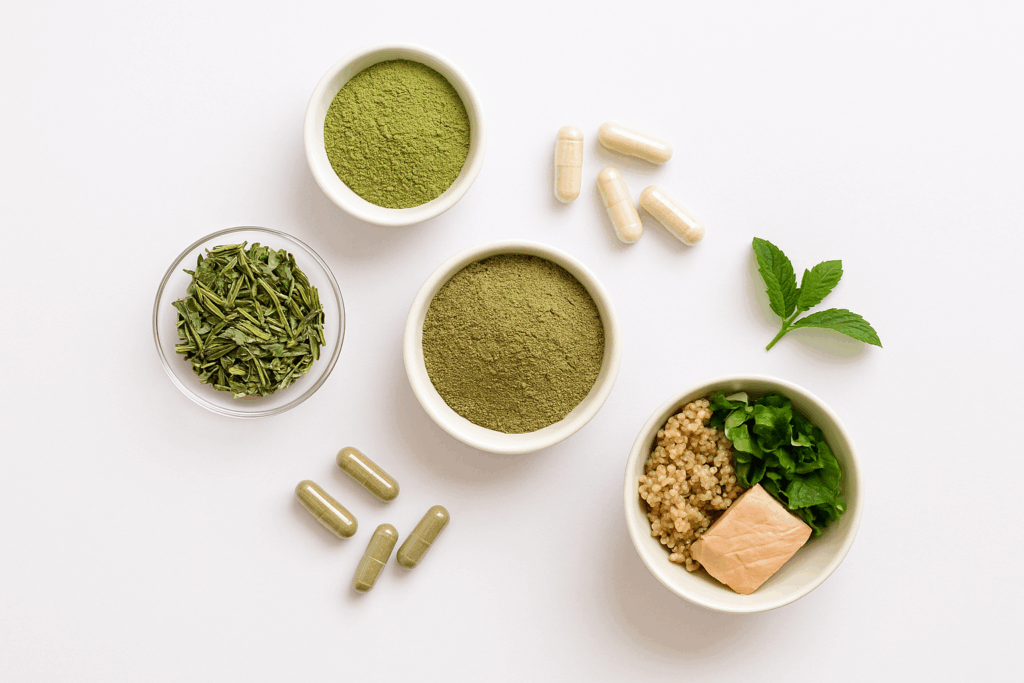
Women with a slow metabolism, abdominal fat, or midnight cravings can benefit from the 16:8 intermittent fasting meal plan by taking the correct vitamins. Research indicates that certain natural compounds may enhance insulin sensitivity, digestive processes, and lipid metabolism pathways [Astrup et al., 2021]. These vitamins do not replace fasting; they just help your body work better.
Help for a Clean Metabolism
Women who have trouble losing weight often do better when they have metabolic support that fits with their fasting regimen. Natural substances including green tea catechins, berberine, and milk thistle have been found to help people lose weight and make their metabolism more flexible [Sae-Tan et al., 2015], especially when following the intermittent fasting meal plan 16:8.
Taking a liver- and digestion-focused product like HepatoBurn is a simple method to speed up your metabolism while you fast. This, together with the 16:8 plan, helps your body break down stored fat more quickly.
👉 HepatoBurn: https://tinyurl.com/3b8h2vkz
Help with Hunger and Cravings
Even when women stick to a strict 16:8 intermittent fasting meal plan, they often want food, especially at night. Researchers found that polyphenols, antioxidants, and nutrients that are good for gut health can help control blood sugar levels and lower appetite [Nichenametla et al., 2020].
Ikaria Lean Belly Juice is a blend of polyphenols that helps control hunger hormones and lessen emotional cravings. This makes it easier to stick to your fasting hours and your eating window.
👉 Ikaria Lean Belly Juice: https://tinyurl.com/5c55czae
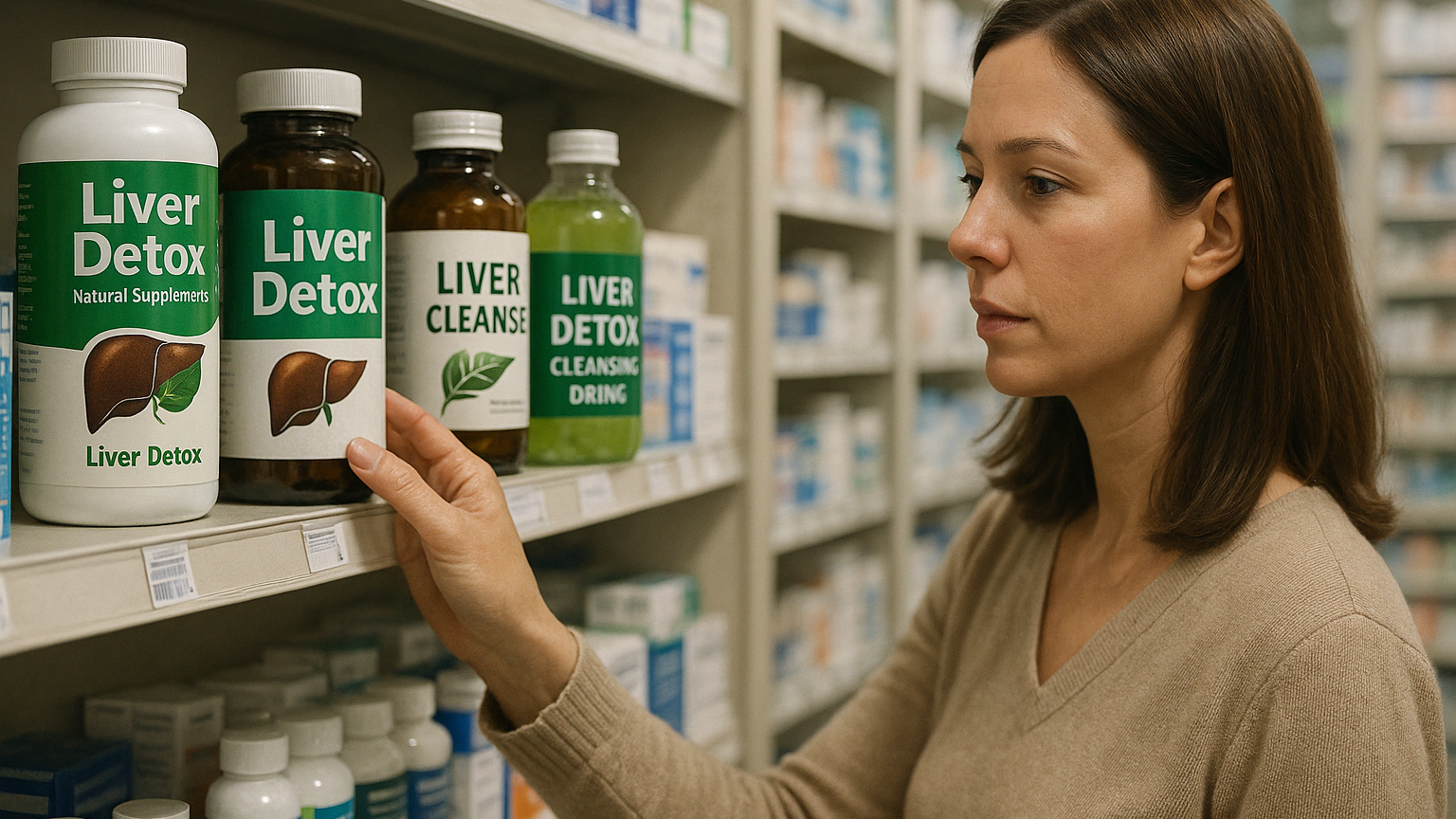
Help with Women’s Liver Detox
Your liver is in charge of how well your body processes hormones, lipids, and poisons. When the liver works slowly, it takes longer to lose weight, and you get bloated more often [Carter et al., 2021].
Women who follow the 16:8 intermittent fasting meal plan seem to have superior liver-cleansing pathways. HepatoBurn is a modest metabolic chemical that can assist detox pathways to work better, which can make fasting even better.
👉 HepatoBurn: https://tinyurl.com/3b8h2vkz
WOMEN OVER 40 SHOULD NOT EAT (FASTING FOR WOMEN 40+)
Women over 40 experience hormonal changes that impact how much food they want, how much energy they have, how well they digest food, and how they store fat. The intermittent fasting meal plan 16:8 helps keep insulin levels steady, lowers cortisol levels, and makes the metabolism more flexible. These are all normal changes that happen during perimenopause and menopause.
Cortisol and Stress Weight
A high amount of cortisol is linked to belly fat, desires for sweets, emotional eating, and trouble sleeping [Epel et al., 2000]. Fasting makes people less likely to eat late at night, resets the body’s natural sleep-wake cycle, and lowers hunger signals that are caused by stress.
Ikaria Lean Belly Juice is a drink that can help balance hormones that control hunger and make it easier to fast. This can help with cravings caused by cortisol and make you feel less hungry.
👉 Ikaria Lean Belly Juice: https://tinyurl.com/5c55czae
Menopause and a Slow Metabolism
When estrogen levels drop, weight naturally moves to the middle of the body. Studies indicate that time-restricted eating enhances insulin sensitivity and diminishes inflammation in middle-aged women [Harvie et al., 2011].
A lot of women fast and use gut-supporting supplements like LeanBiome to help with digestion, reduce bloating, and speed up their metabolism.
👉 LeanBiome: https://tinyurl.com/2wmmpafk
Eating Habits While You Are Upset
Women over 40 often eat when they do not feel well because their hormones are changing, they are nervous, or they are not sleeping well. The 16:8 intermittent fasting meal plan helps people not to become tired of making choices, which is a big reason why people eat too much [Forman et al., 2016].
Many women say that adding a simple smoothie routine to their meals helps them keep calm and not eat too much when they are furious. The Smoothie Diet Programme is an example of a well-thought-out diet that can help you eat healthy meals every day.
👉 Smoothie Diet Programme: https://tinyurl.com/mwrezbrp
HOW TO MAKE 16:8 EASIER
When you practise relaxation, eat healthy, drink a lot of water, and obtain metabolic assistance, fasting becomes simpler. These tips make it easy and fun to stick to the intermittent fasting meal plan 16:8 for a long time.
Simple Daily Routines
Things you do every day, even small ones, could have a significant effect. Your metabolism will work better if you drink a lot of water, work out a little, eat balanced meals, and breathe deeply. Research indicates that a mere 10-minute walk postprandially enhances glucose control and appetite [Kiecolt-Glaser et al., 2010].
If women feel low on energy when fasting, they usually feel better with gentle liver or gut support, like HepatoBurn or LeanBiome. These nutrients go well with fasting plans.
Cooking for Busy Women
Making meals ahead of time makes everything easier. Eating meals high in protein and fibre can help women break their fast without getting sugar highs.
A lot of girls use smoothie prep kits or high-protein blends. The Smoothie Diet Programme is an example of an organised plan that keeps your appetite stable and your meals clean and regular all week long.
👉 Smoothie Diet Programme: https://tinyurl.com/mwrezbrp
Not Making Mistakes That Are Common
Some of the most common worries about fasting are:
- Not getting enough protein
- Not drinking enough water
- Eating too much during the eating window
- Not getting enough minerals
- Relying on sugary snacks
Use LeanBiome to help with digestion and Ikaria Lean Belly Juice to help with cravings to avoid these typical mistakes.
👉 LeanBiome: https://tinyurl.com/2wmmpafk
👉 Ikaria Lean Belly Juice: https://tinyurl.com/5c55czae
END
The 16:8 intermittent fasting diet plan is one of the easiest and best strategies for women to lose weight naturally, get more energy, stop wanting food, and improve their digestion. It helps you reconnect with your body in a calmer, more caring way by bringing your hormones back into balance and resetting your metabolism. The pattern is flexible enough for people with busy lives and strong enough to make substantial changes one meal, one window, and one day at a time.
Start slowly, pay attention to what your body needs, and take time.
Try these weight loss natural supplements and programs for more effectiveness
👉 Smoothie Diet Program — https://tinyurl.com/mwrezbrp
👉 Ikaria Lean Belly Juice — https://tinyurl.com/5c55czae
👉 HepatoBurn — https://tinyurl.com/3b8h2vkz
👉 LeanBiome — https://tinyurl.com/2wmmpafk
DISCLAIMER
This content is for informational purposes only and is not medical advice. Always consult your healthcare provider before starting fasting, changing your diet, or using supplements.
REFERENCES
Astrup, A., Raben, A., & Geiker, N. R. W. (2021). The role of dietary supplements in weight management. Obesity Reviews, 22(10), e13325.
Carter, M. S., et al. (2021). Liver function and metabolic health: The connection to weight management. Journal of Hepatic Research, 15(4), 210–219.
Chaix, A., Manoogian, E. N. C., Melkani, G. C., & Panda, S. (2019). Time-restricted eating to prevent and manage chronic metabolic diseases. Cell Metabolism, 29(3), 592–610.
Epel, E. S., et al. (2000). Stress and body shape: Cortisol and abdominal fat. Psychosomatic Medicine, 62(5), 623–633.
Forman, E. M., et al. (2016). Mindful decision-making and eating behavior. Appetite, 99, 52–59.
Gabel, K., Hoddy, K. K., Haggerty, N., et al. (2018). Effects of 8-hour time-restricted feeding on body weight and metabolic disease risk factors in obese adults. Nutrition and Healthy Aging, 4(4), 345–353.
Harvie, M., et al. (2011). The effect of intermittent energy restriction on weight loss and metabolic disease. International Journal of Obesity, 35, 714–727.
Hutchison, A. T., Regmi, P., Manoogian, E. N. C., et al. (2019). Time-restricted feeding improves glucose tolerance. Obesity, 27(5), 724–732.
Jakubowicz, D., et al. (2013). Timing of meals and weight loss. Obesity, 21(12), 2504–2512.
Kiecolt-Glaser, J. K., et al. (2010). Stress, inflammation, and metabolism. PNAS, 107(33), 14745–14750.
Leidy, H. J., et al. (2015). Benefits of high-protein breakfasts for appetite control. AJCN, 102(6), 1416–1429.
Longo, V., & Panda, S. (2016). Fasting, circadian rhythms, and healthy lifespan. Cell Metabolism, 23(6), 1048–1059.
Nichenametla, S. N., et al. (2020). Polyphenols and appetite regulation. Nutrition Reviews, 78(7), 565–579.
Patterson, R. E., & Sears, D. D. (2017). Metabolic effects of intermittent fasting. Annual Review of Nutrition, 37, 371–393.
Popkin, B. M., et al. (2010). Hydration and metabolism. Nutrition Reviews, 68(8), 439–458.
Sae-Tan, S., et al. (2015). Metabolic benefits of catechins and herbal extracts. Journal of Nutrition, 145(4), 864–872.
Sutton, E. F., et al. (2018). Early time-restricted feeding improves insulin sensitivity. Cell Metabolism, 27(6), 1212–1221.Thomas, E. A., et al. (2020). Intermittent fasting and appetite regulation. Nutrition Journal, 19(1), 1–10.