High Protein Foods That Protect Muscle and Boost Natural Weight Loss
Many women eat healthily and walk a lot, but they still have trouble losing weight. It seems like you are controlling your calories, cutting back on sugar, and putting in the same amount of work every day, but progress appears slow or stuck. This behavior is annoying, especially when the body is weary, hungry, or does not want to change.
In many cases, the missing piece is not willpower or another strict strategy. High protein foods play a crucial role. Protein is essential for metabolism, protecting muscles, controlling appetite, and burning fat. Even if they have healthy habits, women who do not eat enough nutritious protein find it tougher to lose weight. Knowing how high-protein foods function helps the body let go of fat instead of clinging onto it.
Resetting Your Metabolism
Changes in Women’s Metabolism
As women get older, their metabolism slows down. Muscle mass slowly goes down each year after age 30. Muscle tissue is metabolically active, which means it burns calories even when you are not working out. When you lose muscle, you also burn fewer calories.
Changes in hormones also affect how fat is stored. Changes in estrogen can make the body store fat more easily by making it harder for insulin to work. This phenomenon is why a lot of women gain weight even when they consume less. The National Institutes of Health published research that shows that women who have less muscle mass and hormonal changes are more likely to have a slower metabolism, making high protein foods especially important.
This scenario is when foods high in protein become necessary, not just nice to have.
Protein Keeps Muscles Strong
Protein gives your body amino acids that help keep and repair muscular tissue. When you lose weight, your body breaks down muscle instead of fat if you do not get enough protein. This phenomenon makes your metabolism slower and makes it easier to gain weight back.
The American Journal of Clinical Nutrition has shown that women who eat enough protein lose more fat and keep more muscle than women who eat less protein. Keeping your muscles healthy helps keep your metabolism constant and healthy.
Eating foods high in protein every day helps lean tissue, strength, and long-term fat loss.

Pros of the Thermic Effect
When you digest protein, it burns more calories than when you consume carbs or fats. This is what is called the thermic effect of food. Digestion and processing take up about 20–30% of the calories in protein.
This means that meals high in protein naturally help you burn more calories without having to work out more. Harvard Health Publishing says that eating more protein does somewhat raise the amount of energy you use each day.
The effect is not huge, but it builds up over time, especially if you keep eating the same way.
Stable Blood Sugar
When your blood sugar is unstable, you crave food, feel worn out, and store fat. Protein slows down digestion and helps keep blood sugar levels stable after meals. This procedure lowers insulin spikes that tell the body to store fat.
When meals lack sufficient protein, blood sugar levels rise rapidly and then drop quickly, leading to immediate hunger after eating. This pattern makes people nibble and eat too much more often.
Eating foods strong in protein with every meal helps women stay full longer and makes them less likely to snack between meals.
Controlling Stress and Cortisol
Chronic stress boosts cortisol, a hormone that is associated with storing fat in the abdomen. Protein helps neurotransmitters that control mood and how we respond to stress. Eating balanced meals that have protein helps people stop eating when they are stressed.
Harvard research shows that meals heavy in protein boost hormones that make you feel full, like peptide YY and GLP-1. These hormones tell your body that you are full and stop sending hunger signals.
This is why ladies who are gaining weight because of stress or emotions should eat a lot of protein.
Why Counting Calories Does Not Work
Many ladies cut back on calories too much. This might help you lose weight in the short term, but it usually makes you lose muscle and slow down your metabolism. The body adjusts by saving energy.
This response alters when you eat protein. When you eat more protein, your body knows it has enough food, so it does not need to cut down metabolism. The end consequence is more consistent fat reduction without having to cut back too much.
Nutrition science repeatedly demonstrates that high-protein diets enhance body composition, rather than merely reducing scale weight.
Daily Protein Consistency
Protein works best when you eat it at regular times throughout the day. Not eating protein during breakfast or lunch often makes people consume too much later. Even distribution helps muscles grow and keeps energy levels stable.
Experts say it is better to eat protein in several meals than all at once. This plan works with the body’s natural rhythms and hormone levels.
For women who want long-lasting effects, high-protein foods should be a part of their everyday diet, not just a quick fix.
Summary of Science
- Protein keeps muscles healthy, which is beneficial for metabolism
- Protein helps you burn more calories by breaking down food
- Protein keeps blood sugar levels stable, which cuts down on cravings
- Protein helps hormones that control hunger
Research from Harvard Health and the NIH shows that eating protein is one of the best ways for women to keep their weight in check over the long term.
The Main Point
If you do not consume enough protein, losing weight becomes a fight against your body. The body works with you instead of against you when you eat meals high in protein.
Foods That Help With Hunger
Why Being Hungry Makes It Difficult to Lose Weight
Many women think that hunger is a matter of willpower. Hunger is a biological indicator in reality. When meals do not have enough protein, appetite hormones stay active, making the body want more food.
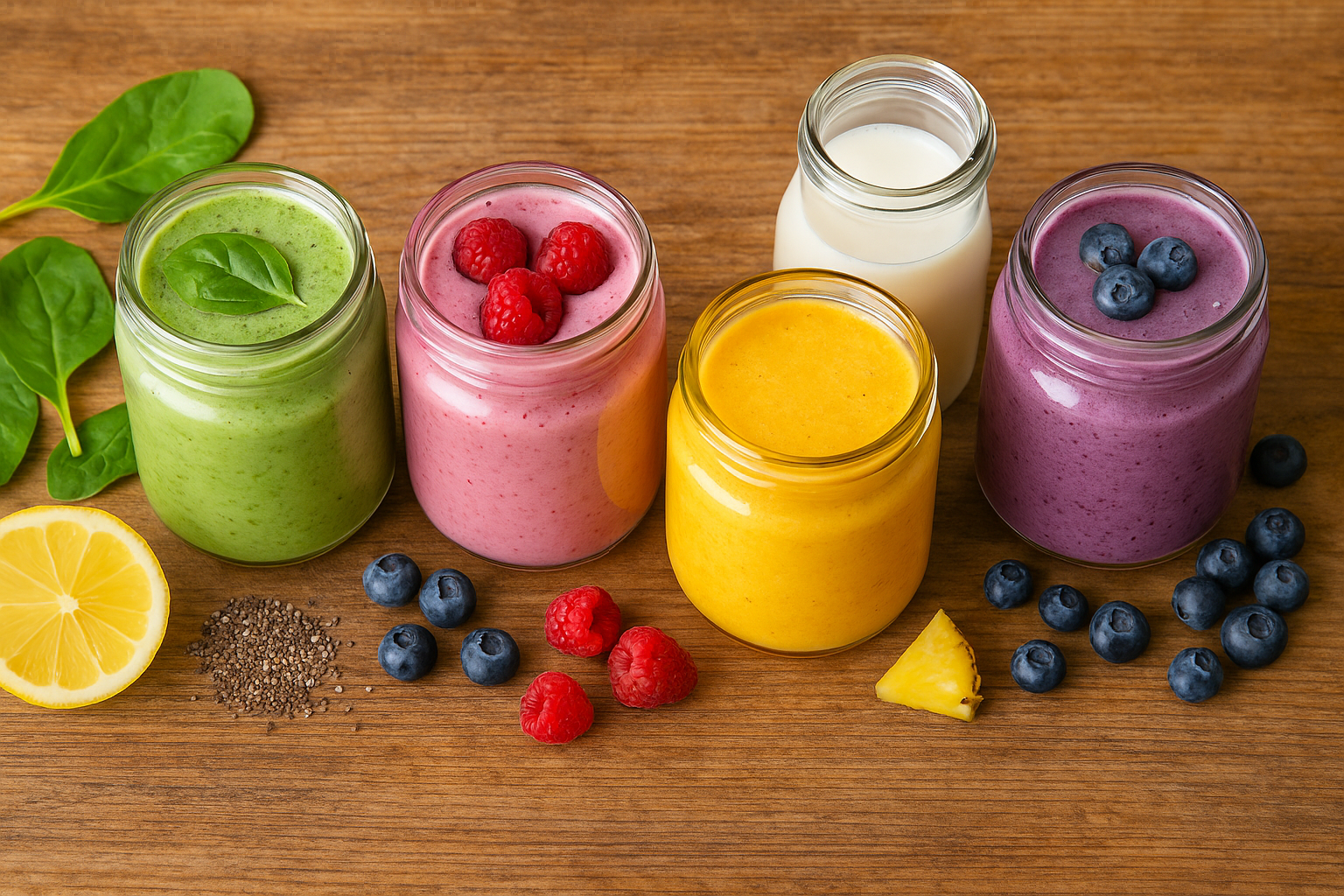
Meals that are low in protein digest fast. Choosing high-protein smoothies can help keep blood sugar stable and make you feel fuller for longer.
This is why foods high in protein are important for naturally reducing hunger.
Hormones That Promote Feelings of Fullness, Along With Protein
Protein has a direct effect on hormones that control hunger. Peptide YY, GLP-1, and cholecystokinin are some of them. When they work together, they provide “full” messages to the brain.
Ghrelin, the hormone that makes you hungry, stays high when you do not eat enough protein. This makes it tougher to stop eating, even when you have enough calories. The Journal of Nutrition has published studies that show that diets high in protein suppress ghrelin levels better than diets high in carbohydrates.
Eating foods strong in protein helps women feel full without eating too much.
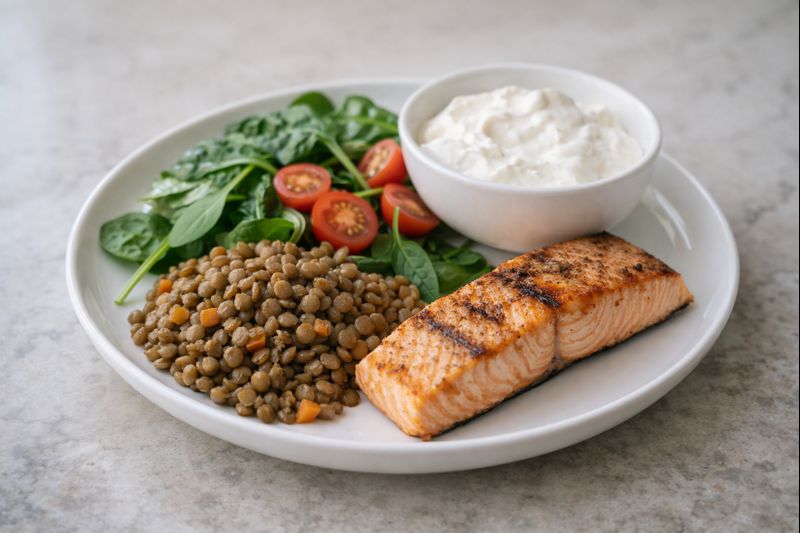
Sources of Lean Animal Protein
Lean animal proteins are full proteins. They have all the amino acids your body needs to keep muscles healthy and control your hunger.
Some examples are:
- Eggs
- Chicken breast
- Turkey
- Fish like tuna and salmon
- Greek yogurt
These foods are heavy in protein, which means they take a long time to digest and will keep you full for a long time. Fish also has omega-3 fatty acids, which help insulin work better and lower inflammation. The American Heart Association has done research that shows that eating omega-3s can make your metabolism healthier.
Many women find lean animal proteins easy to digest and quite filling.
Plant-Based Protein Choices
When chosen carefully, plant proteins can also help reduce hunger. Many plant foods have the right amount of amino acids, but not all.
Some strong plant-based high-protein foods are:
- Lentils
- Chickpeas
- Black beans
- Tempeh and tofu
- Quinoa
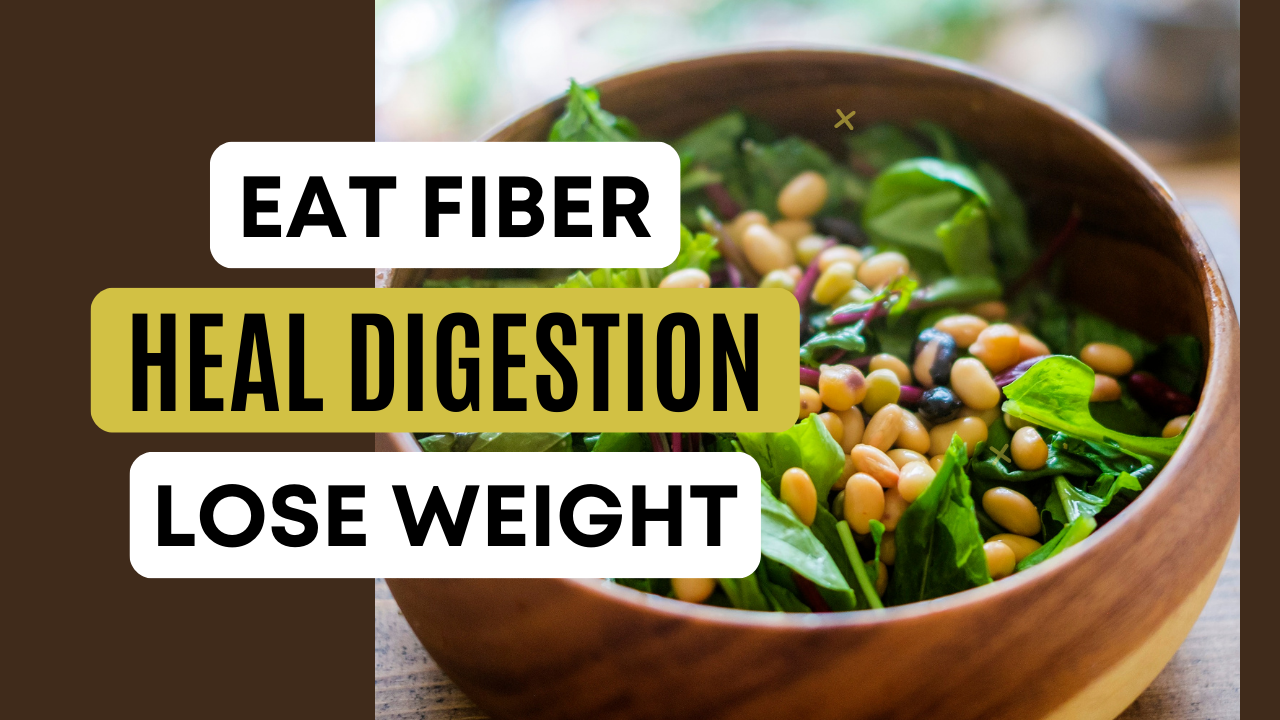
Adding fiber to plant proteins makes digestion slow and makes you feel fuller. Fiber feeds the bacteria in your gut, which make short-chain fatty acids that help control your hunger. Research funded by the NIH shows that gut health is important for keeping your weight in check.
Plant-based protein works best when meals are balanced and the right amount is eaten.
Breakfast Protein Is Important
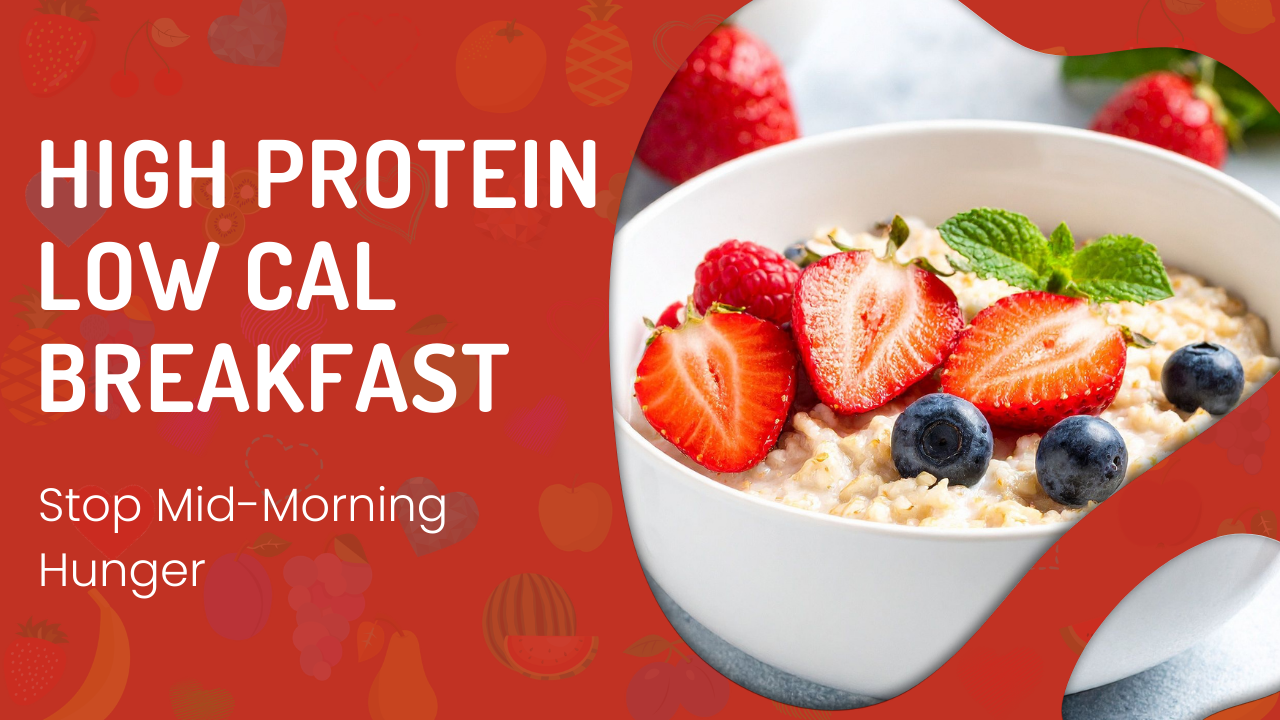
It is usual to skip protein at breakfast, but it is detrimental for your metabolism. Breakfast tells your body what to eat for the rest of the day. Eating low-protein meals makes you hungry later, which makes you nibble and overeat at night.
Women who eat higher-protein breakfasts have fewer cravings and improved blood sugar control, according to research published in the International Journal of Obesity.
Eating foods high in protein in the morning keeps your energy levels stable and prevents you from getting hungry later in the day.
Protein for Energy at Noon
Lunch typically affects how much energy you have in the afternoon. Eating a lot of refined carbs makes you worn out and hungry within a few hours. Protein slows down digestion and keeps blood sugar levels stable.
Adding protein to lunch helps you focus and makes you less likely to want sugary snacks. This helps you make better dietary choices all day long.
Eating a lot of high-protein foods on a regular basis stops the energy crashes that stop weight loss.
Protein and Cravings at Night
Hunger at night is typically caused by stress or emotions. Dinners with a lot of protein assist in soothing hunger signals and help muscles heal while you sleep.
Protein also helps neurotransmitters that are involved in relaxation, which can help cut down on late-night munching. Harvard research shows that eating balanced dinners will help you sleep better, which can help you control your weight even more.
Eating foods strong in protein at dinner keeps you full without making you feel heavy.
Being Aware of Portions Without Keeping Track
A lot of women stay away from protein because they think it will make them gain weight. In actuality, protein makes you feel so naturally full that you often eat fewer calories without even trying.
General advice:
- A palm-sized piece of protein for each meal
- Add fiber or vegetables to your protein
- Stay away from protein products that have been highly processed
Whole-food high-protein foods are more filling than processed protein products.
Protein and Health of the Gut
Protein affects the types of bacteria that live in the gut. A balanced intake of protein helps keep a variety of microbes in the gut, which assists with digestion and controlling appetite.
Having a bad gut can make you hungrier and store more fat. Adding protein to foods that are high in fiber helps healthy bacteria grow. Cell Metabolism research shows how important the gut is for keeping energy levels stable.
This means that eating foods high in protein is a beneficial way to lose weight and keep your gut healthy.
Why Protein Makes You Eat Less
Protein slows the emptying of the stomach. The brain gets signals that the stomach is full when food stays there longer. This cuts down on mindless eating and snacking out of sadness.
Women who eat enough protein say they have fewer cravings and are better able to control their diet. This effect is the same for people of all ages.
Nutrition science says that eating foods high in protein is a better way to stop overeating than just cutting back on calories.
Important Point
Being hungry does not mean you are weak. It is a sign. High-protein foods stop hunger at its source by keeping hormones, blood sugar, and digestion stable.
Controlling appetite makes weight loss calmer, steadier, and longer-lasting.
Natural Support That Works
Why Taking Only Supplements Often Does Not Work
A lot of women use pills in the hopes of losing weight quickly. Natural weight reduction supplements can help, but they do not always work if you do not eat the correct foods. If blood sugar levels are unstable or muscle mass is going down, the body cannot burn fat well.
Supplements are meant to help the body work better, not replace food. The body needs high-protein diets to burn fat, balance hormones, and repair muscles, which is why high protein foods must come first. Without them, it cannot do these things. This is why the outcomes do not always last or seem right.

Protein Makes Supplements Work Better
Protein alters how the body reacts to natural weight loss aids. It keeps blood sugar levels stable, helps the body absorb nutrients better, and protects lean muscle mass. These factors determine whether supplements are effective or simply pass through the body without providing any benefits.
Eating enough high-protein foods makes women’s metabolism work better. Instead of keeping fat, it is discharged. Energy gets better. Hunger signals go away. This makes the inside of your body a place where vitamins can really work.
A study published in Nutrition Reviews demonstrates that eating more protein makes the body more flexible when it comes to metabolism, or how well it can flip between burning fat and carbohydrates.
First, Blood Sugar
High blood sugar levels make it hard to lose fat. Insulin levels go up when glucose levels go up too quickly, which tells the body to store fat. Many supplements are meant to help fat metabolism; however, insulin dominance keeps fat from being released.
Protein slows down digestion and keeps blood sugar levels from rising too quickly. This makes the body more open to natural metabolic substances. Even the best supplements do not work well without high-protein diets.
This is why some women think that supplements “stopped working” after a few weeks. The problem is not the supplement; it is metabolic resistance produced by an unbalanced diet.
Not Shortcuts, But Strategic Help
The best way to help is to provide food and gentle assistance. Protein gives things shape. Supplements make things work better. They work together to help you lose fat in a way that does not require significant restriction.
For instance, combining high-protein foods with a whole-food-based diet like
👉 The Smoothie Diet Plan
may help women get the protein they need while also helping with digestion and nutrition absorption.
Smoothie-based meals are the greatest when they focus on protein instead of just fruit. This mix makes you feel fuller and less hungry.
Health of the Gut and Losing Weight
The gut is crucial for keeping your weight in check. Some bacteria in the gut can affect hunger, inflammation, and how fat is stored. When proteins are mixed with fiber, they help feed good bacteria.
Supplements that help with gut metabolism signaling work better when gut balance is improved. This is why foods high in protein go well with microbiome-focused assistance, like
👉 Lean Biome
The NIH-funded research links a more diverse gut to improved weight outcomes, particularly in women over 35.
The Function of the Liver Matters
The liver breaks down lipids, hormones, and poisons. When hepatic pathways are too full, fat burning slows down. Protein helps enzymes that detoxify the liver and makes amino acids available.
The liver has a difficult time turning stored fat into useful energy when there is not enough protein. This is why diets high in protein are so important while taking metabolic-support solutions like
👉 Hepato Burn
Clinical nutrition research indicates that amino acids like glycine and cysteine, present in protein, enhance liver function and lipid metabolism.
Targeting Stubborn Belly Fat
Hormones cause belly fat. An imbalance in cortisol, insulin, and estrogen all play a role. High protein foods help keep blood sugar stable and muscles strong, which helps control these hormones.
When used in conjunction with specific metabolic combinations, such as
👉 Ikaria Lean Belly Juice
foods strong in protein enhance hormone function, aiding the body in shedding fat rather than storing it.
This method is in line with Harvard-style advice that puts hormonal balance ahead of strict calorie restriction.
Safety and Longevity
Natural vitamins should make you feel better, not more awake. Women have fewer adverse effects like jitters, crashes, or stomach problems when they eat enough protein.
Protein protects the neurological system and helps keep energy levels consistent. This makes it safer and more effective to use for a long time. Experts believe that long-lasting effects come from sustainability, not haste.
Using foods strong in protein as a base keeps supplements mild and effective.
First, Food; Second, Support
This order gives the most dependable results:
- Protein helps keep meals stable
- Help with digestion and intestinal health
- Gently speed up your metabolism
- Stay consistent
Instead of fighting the body, this strategy creates trust with it and lowers frustration.
The Main Point Is
Supplements are not the answer; they are tools. Foods high in protein get the body ready to respond well to natural weight reduction aids. Supplements suddenly make sense when protein comes first.
High-Protein Foods and Natural Weight Loss: Frequently Asked Questions
Question 1: How much protein should ladies eat to lose weight?
Most women do better when they eat 20–30 grams of protein at each meal. Harvard Health research shows that spreading out your protein consumption throughout the day can help keep your muscles and metabolism healthy. After age 40, needs may go up since muscles naturally lose strength.
FAQ 2: Do foods high in protein help you lose abdominal fat?
Yes. Foods high in protein help keep blood sugar levels stable and lower insulin surges, both of which affect how much fat is stored in the belly. Protein also decreases hormones that cause hunger, helping you eat less and avoid gaining weight in your stomach.
Question 3: Is it appropriate for women over 40 or going through menopause to eat meals high in protein?
Of course. As you become older, protein becomes even more necessary. The Journal of Nutrition says that getting enough protein helps keep muscles, bones, and metabolism stable during hormonal shifts.
FAQ 4: Do protein powders take the place of actual food protein?
No. Whole-food protein gives you amino acids, vitamins, and minerals that pills alone cannot give you. Supplements work best when you eat them with high-protein foods instead of instead of them.
Question 5: Can not consuming enough protein slow down your metabolism?
Yes. Not eating enough protein can cause muscle loss, which lowers the resting metabolic rate. Research endorsed by the NIH shows that insufficient protein intake while dieting raises the risk of metabolic slowdown and weight gain.
Question 6: Do high-protein diets made from plants help you lose weight?
Yes, as long as they are balanced. When consumed in the right amounts and with fiber, lentils, beans, tofu, and quinoa can help you lose weight. Amino acid equilibrium depends on variety.
FAQ 7: How quickly can foods high in protein help with hunger and energy?
Within 7 to 14 days, most women report that their appetites go down and they feel fuller. Metabolic benefits happen slowly over time if you stick with it.
Final Thoughts
You cannot lose weight in a healthy way by being very tight with yourself or looking for quick fixes. Weight loss comes from understanding and working with your body’s natural processes. Foods high in protein protect muscles, keep hunger hormones in check, and speed up metabolism. All of these things help you lose fat in a steady, natural way.
If you have been having trouble losing weight or it has not been consistent, start by making sure you are getting enough protein. Make meals with foods that are high in protein, let your body digest and metabolize food slowly, and give it the skills it needs to adapt. If you use this method with patience and persistence, you will see that losing weight gets easier, more stable, and longer-lasting.
Medical Disclaimer
This content is for educational purposes only and does not replace professional medical advice. Always consult your doctor or a qualified healthcare provider before making changes to your diet, supplements, or health routine—especially if you are pregnant, nursing, or managing a medical condition.