Diabetes Diet Plan: A Smart, Science-Backed Guide

Maintaining blood sugar balance should be straightforward, peaceful, and beneficial without making you feel stressed or deprived. Women over 45 have fast weight changes, hunger, fatigue, and blood sugar fluctuations. Your hormones change, your metabolism slows, and normal things now cause blood sugar swings. A scientific, moderate Diabetes diet plan can simplify your life.
The Harvard T.H. Chan School of Public Health (2021) found that a balanced diet with lots of fibre, healthy fats, and low-glycemic foods can improve insulin responses, reduce inflammation, and maintain consistent blood sugar levels. This book guides you to healthy choices using Harvard-style research and a welcoming tone.
You will discover how hormones impact metabolism, how blood sugar levels vary after 45, and how to avoid diabetes with a balanced diet and simple habits. This Diabetes diet plan helps you understand your body and why it is difficult now.
HORMONES AND METABOLISM: WHY BLOOD SUGAR CHANGES AFTER 45

In old age, oestrogen levels usually decline.
The Journal of Clinical Endocrinology & Metabolism (2020) released studies that suggest that reduced oestrogen makes it harder for the body to regulate glucose. This change makes insulin resistance worse, which causes the body to accumulate more belly fat and respond strongly to meals high in carbs.
This is why problems with blood sugar and menopause typically happen at the same time.
As your metabolism slows down, the same meals that used to be fine now make your blood sugar levels go up more. A sensible diabetic food plan can help keep these fluctuations from happening.
👉 Check out GlucoTrust here: https://tinyurl.com/2w65k5hd
CORTISOL AND STRESS
Stress makes cortisol levels go up. The American Diabetes Association (2022) says that cortisol makes the liver release more glucose into the blood. This can raise morning fasting blood sugar for women who have to deal with job, home, or emotional issues.
Adding modest activity, breathing exercises, or a slow evening stroll will help lower cortisol levels and may also reduce insulin resistance naturally.
WANTING TO SLEEP
Not getting enough sleep raises ghrelin (the hunger hormone) and reduces leptin (the satiety hormone). A well-planned Diabetes diet plan for type 2 diabetes helps these hormonal changes happen. Research from the NIH Sleep Research Centre (2019) found that women who sleep fewer than seven hours a night are more likely to want meals high in sugar.
THE GLYCEMIC METHOD
Foods with a Low Glycemic Index
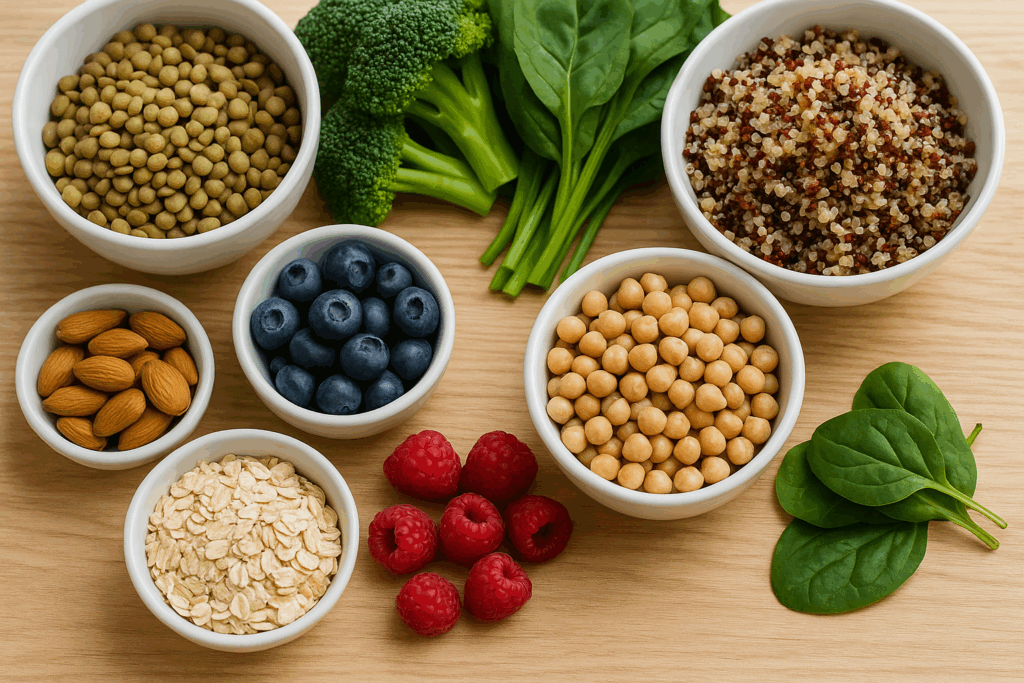
A low-glycaemic diet for diabetes is very good for women over 45. It concentrates on foods that digest slowly and release glucose carefully. The Glycemic Index Research from Harvard Medical School (2020) says that consuming foods with a low GI increases insulin sensitivity, lowers cravings, and helps with weight reduction. This supports a Diabetes diet plan.
Here are several examples:
Berries
Lentils
Chickpeas
Tofu
Quinoa
Almonds
Greens with leaves
These meals make glucose curves that are smooth instead of sharp.
FIBRE TO HELP CONTROL SUGAR
Fibre slows down digestion and keeps blood sugar levels stable. The American Journal of Clinical Nutrition (2021) researched that persons who eat 25–30 g of fibre every day have lower fasting glucose and better metabolic flexibility.
Great choices that are high in fibre:
Avocado
Oats
Broccoli
Beans
This is why fibre is an important part of any diabetes-friendly diet.
FATS AND PROTEINS THAT ARE GOOD FOR YOU
Adding healthy fats and lean protein to meals helps keep them stable. Women feel fuller for longer when they eat protein because it lowers the glycaemic load of carbs. This is especially true during menopause. The Nutrition & Metabolism Journal (2022) says that breakfasts high in protein keep you from getting hungry in the middle of the morning and from crashing from sugar.
You can use them with meals:
Eggs
Yoghurt from Greece
Salmon from the wild
Oil from walnuts
Oil from olives
A great diabetic diet for women over 45 is one that includes low-GI meals with protein and healthy fats.
BASIC PLATE FORMULA
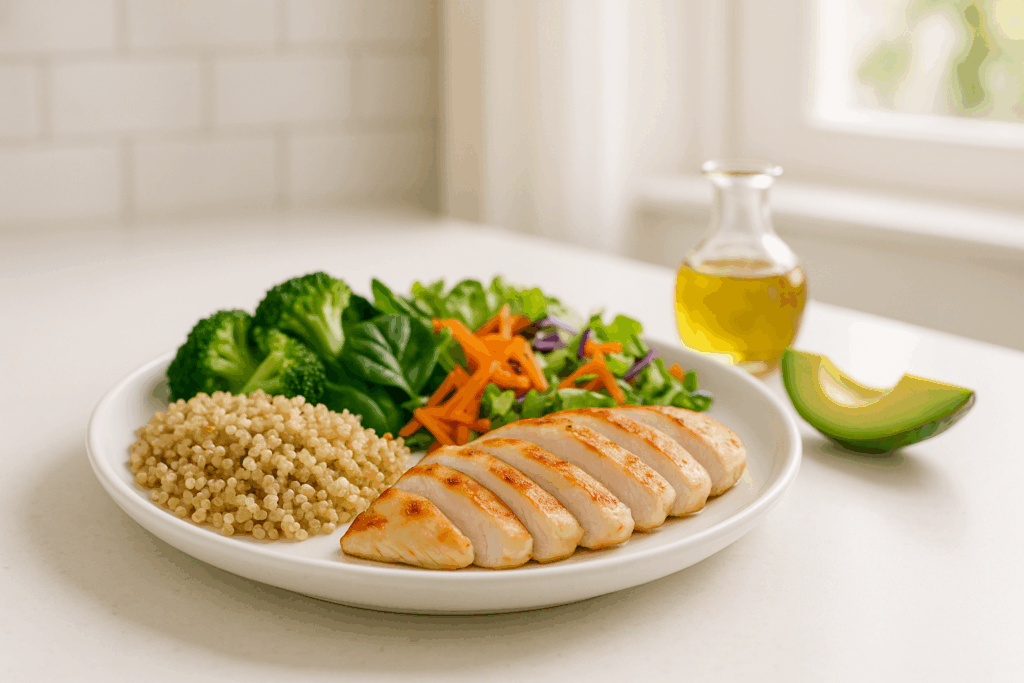
A defined framework helps keep your blood sugar stable and makes your meals predictable. The Harvard Healthy Eating Plate (2022) says that making meals with appropriate quantities can help keep blood sugar levels stable and stop people from eating too much. This structure works great with a diabetic food plan for weight reduction for ladies over 45. This supports a Diabetes diet plan.
Here is the plate model with the right amounts:
| Part of the Plate | Part / Amount | Why It Works |
| Vegetables that do not have starch | 2 cups of cooked or raw veggies | High fibre makes insulin work better. |
| Protein that is low in fat | 85–120 g (3–4 oz) boiled | Decreases cravings and boosts metabolism |
| Grains and legumes | ½ cup cooked | Release of energy at a slow, steady pace |
| Fat that is good for you | 1 to 2 tablespoons | Helps regulate blood sugar |
This structure fits with what the Harvard T.H. Chan School of Public Health (2022) found: it makes people feel fuller and lowers their blood sugar levels after meals.
👉 Check out GlucoTrust here: https://tinyurl.com/2w65k5hd
MEALS THAT ARE BALANCED WITH AMOUNTS
Here are some examples of how to use the balanced diet for diabetes control framework:
CHOICES FOR BREAKFAST
¾ cup of Greek yoghurt, ½ cup of berries, and 1 tablespoon of chia seeds
Two cooked eggs, one piece of whole-grain bread, and half an avocado
1/2 cup of dry oatmeal, 1 tablespoon of flaxseed, and 1/4 cup of blueberries
These choices help keep things stable and cut down on cravings in the middle of the morning, which is especially crucial when menopause causes blood sugar levels to change.
IDEAS FOR LUNCH
Grilled chicken (100 g) and a mixed salad (2 cups) with olive oil (1 tablespoon) and quinoa (½ cup cooked)
One small can of tuna, two cups of leafy greens, half a cup of chickpeas, one lemon, and one teaspoon of tahini
1.5 cups of lentil soup, 1 cup of side salad, and 1 teaspoon of olive oil
These follow the low-glycaemic principles that Harvard study (2021) has shown to be true.
DINNER MIXES
1 cup of steamed broccoli, 120 grammes of salmon, and ½ cup of brown rice
1 cup of tofu and 2 cups of veggies stir-fried with 1 teaspoon of sesame oil
Turkey on the grill (100 g), green beans (1 cup), and sweet potato (½ cup)
This helps your metabolism stay healthy at night and releases glucose slowly.
SNACK IDEAS THAT HELP KEEP SUGAR LEVELS STABLE
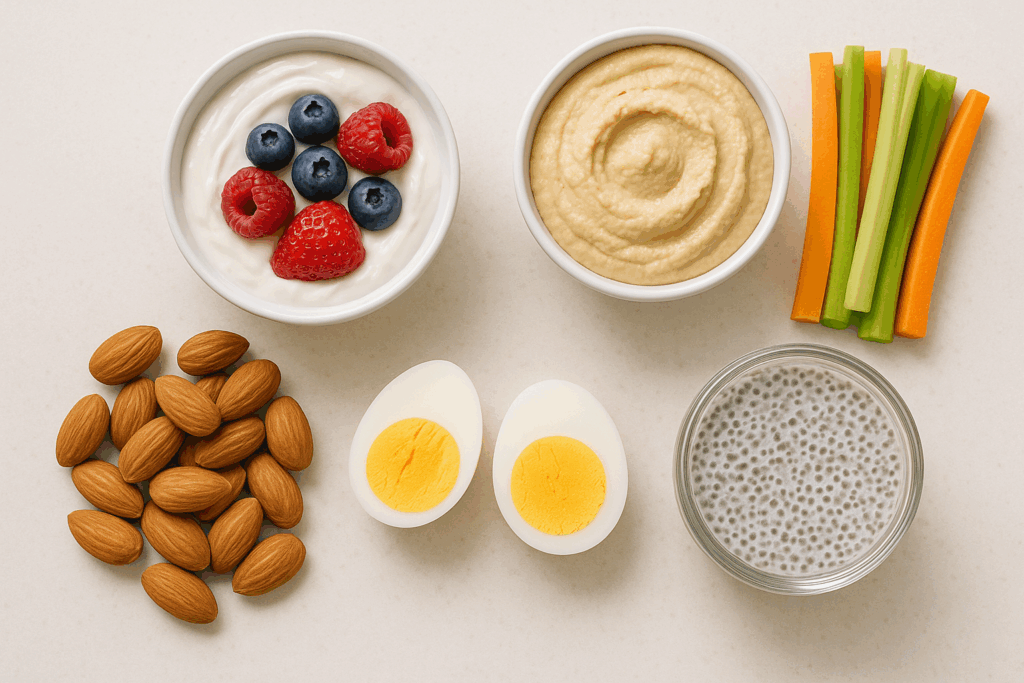
Snacks are an important part of a diabetic diet for women over 45 since they help keep big gaps between meals from happening.
Some healthy options are:
1 teaspoon of chia seeds and 1/2 cup of Greek yoghurt
Three tablespoons of hummus and one cup of carrot or cucumber sticks
1 egg that has been cooked and 6–8 almonds
½ cup cottage cheese and ¼ cup fruit
The American Journal of Clinical Nutrition (2020) has scientific proof that snacks with protein and fibre lower blood sugar increases after meals. These choices support a Diabetes diet plan.
👉 Check out GlucoTrust here: https://tinyurl.com/2w65k5hd
A PATTERN FOR THE FIRST WEEK
Choose One Breakfast Each Day
¾ cup of Greek yoghurt, ½ cup of berries, and 1 tablespoon of chia
2 scrambled eggs and 1 cup of sautéed spinach
½ cup of dry oatmeal, 1 tablespoon of flaxseed, and ¼ cup of strawberries
Choose One Lunch Each Day
100 grammes of grilled chicken, 2 cups of salad, and ½ cup of quinoa
1½ cups of lentil soup
2 cups of greens and ½ cup of chickpeas in tuna salad
Dinner (Choose One Each Day)
Salmon 120 g and 1 to 2 cups of veggies
1 cup of stir-fried tofu and 2 cups of mixed vegetables
100 grammes of turkey with ½ cup of sweet potato
This pattern is in accordance with Harvard’s evidence-based advice for keeping blood sugar stable, digestion, and weight loss.
👉 Click here to try GlucoTrust: https://tinyurl.com/2w65k5hd
7-DAY DIABETES DIET PLAN FOR WOMEN OVER 45
Daily Formula:
Breakfast: fruit with a low GI, protein, and fibre
Lunch: healthy grains, lean protein, and vegetables
Dinner: Light protein, veggies, and legumes
Snacks: small, low-GI, and high-protein
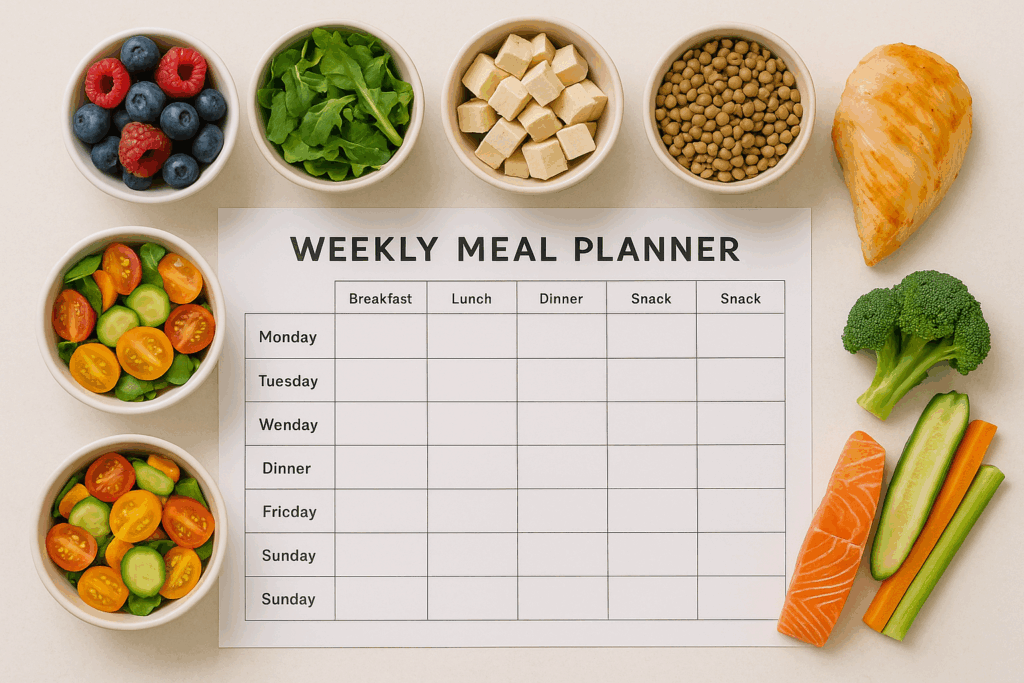
TABLE: A COMPLETE 7-DAY MEAL PLAN
| Day | The first meal of the day | Lunch | Dinner | Munch |
| The first day | ¾ cup of Greek yoghurt, ½ cup of berries, and 1 tbsp of chia | 2 cups of lettuce, 100 grammes of chicken, and ½ cup of quinoa | One cup of green beans and 120 grammes of salmon | 8 almonds |
| Day Two | 1/2 cup of dry oatmeal, 1 tablespoon of flax, and 1/4 cup of strawberries | 1½ cups of lentil soup and 1 cup of salad | Two cups of veggies and one cup of tofu | ½ cup of cottage cheese |
| Day 3 | Two eggs and one cup of sautéed spinach | 1 can of tuna, 1/2 cup of chickpeas, and 2 cups of greens | 100 g of turkey and 1 cup of broccoli | 1 cup of carrots and 3 tablespoons of hummus |
| Day 4 | 1/2 cup of yoghurt, 1 cup of spinach, and 1/2 cup of berries make a smoothie. | ½ cup of lentils and 2 cups of vegetables make a lentil salad. | 120 grammes of salmon and half a cup of sweet potato | One boiled egg |
| Day 5 | ½ cup of dry oatmeal, 1 tablespoon of chia, and ¼ cup of blueberries | 100 grammes of chicken and 2 cups of salad | 1 cup of tofu and 2 cups of mixed vegetables | Six to eight almonds |
| Day 6 | Two eggs and half a cup of tomatoes | 1½ cups of lentil soup | 1 cup of green beans and 100 grammes of turkey | ½ cup of cottage cheese |
| Day 7 | 1 tbsp of flax and ¾ cup of Greek yoghurt | Tuna with vegetables 2 cups and chickpeas 1/2 cup | 2 cups of veggies and 120 grammes of salmon | ½ cup of berries |
This table makes it easy, organised, and low-stress to stick to your diabetes-friendly diet.
GROCERY LIST FOR WOMEN 45 AND UP WITH DIABETES
Table: Grocery Categories in Order
| Type | Things to Buy | Why These Are Good for Blood Sugar |
| Vegetables that do not have starch | Tomatoes, cucumbers, zucchini, cauliflower, spinach, broccoli, and green beans | High fibre → improved insulin response; low-GI |
| Proteins that are lean | Chicken breast, turkey, canned tuna, eggs, Greek yoghurt, and tofu | Makes you feel full longer and keeps your blood sugar stable |
| Fruits with a low GI | Apples, pears, and berries | Slow release of glucose; high in antioxidants |
| Grains and beans | Chickpeas, lentils, quinoa, oats, and brown rice | Carbs that take a long time to digest; fibre that helps manage blood sugar |
| Good Fats | Chia seeds, flaxseed, almonds, avocados, and olive oil | Helps hormones and insulin work better |
| Things You Need in Your Pantry | Herbal teas, cinnamon, tahini, and broth with little salt | Helps with inflammation and works well with a low-glycemic diet for diabetes |
This organised table makes it easier to stick to your science-based diabetic diet plan while you shop for groceries.
THINGS TO STAY AWAY FROM
NOT EATING MEALS
A lot of women over 45 skip meals to keep their calories in check, but a study in the Journal of Nutrition & Metabolism (2021) discovered that lengthy fasting intervals make the liver produce more glucose. This means that your blood sugar goes up even when you do not eat.
If you skip meals, it messes with your balanced diet for controlling diabetes, makes you want to eat more, and might cause you to consume too much later in the day.
Eating at regular times, especially a protein-rich breakfast, has been demonstrated to lower blood sugar spikes and boost energy levels throughout the day.
TOO MANY CARBS AT ONCE
Carb stacking, or consuming a lot of high-carb items at once, is one of the major hidden causes of glucose increases. The Harvard GI Index Guide (2020) says that eating carbs with protein and healthy fats can slow down digestion and lower blood sugar levels after meals.
Stay away from combos like:
Toast and cereal
Pasta and bread
Juice from fruit and rice
Rice and potatoes
Instead, use the low-glycaemic diet for diabetes to make meals that provide your body continuous energy instead of fast bursts.
TOO LITTLE FIBRE
Women over 45 need a lot of fibre, especially when their hormones change. The American Diabetes Association (2021) says that individuals who eat at least 25–30 grammes of fibre per day have higher insulin sensitivity, lower fasting glucose levels, and fewer cravings.
Fibre aids by:
Slowing down digestion
Lowering the amount of glucose that is absorbed
Giving good bacteria in the stomach food
Making people feel fuller
Women over 45 who have diabetes should eat more beans, lentils, veggies, berries, chia seeds, and oats.
ADD-ONS
MAKING THE RIGHT CHOICE
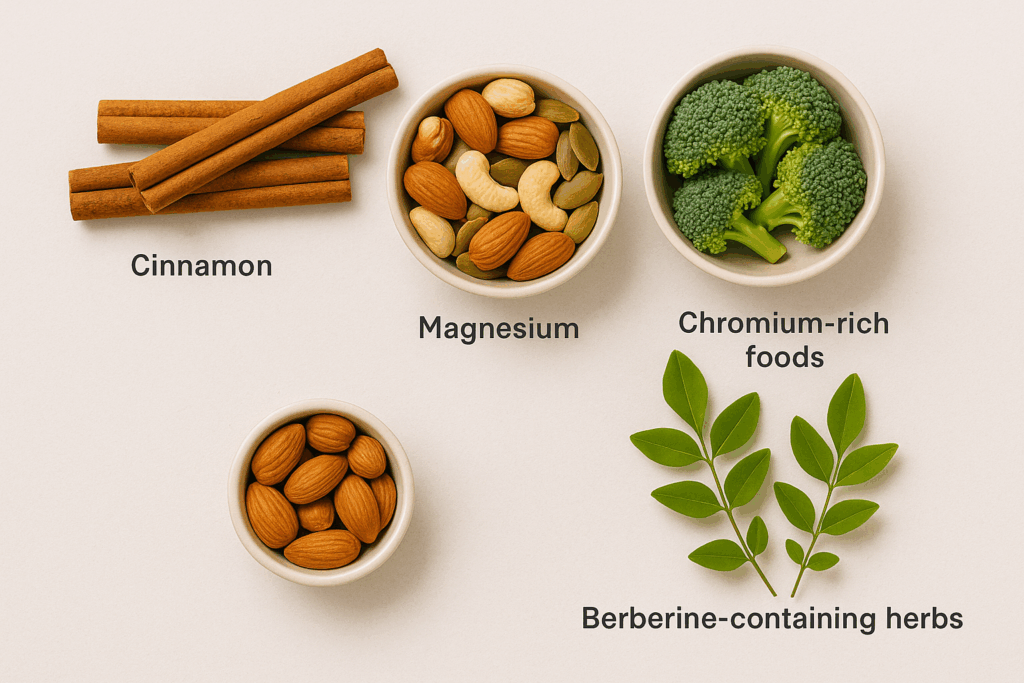
Supplements can help, but they can never replace nutritious meals. Many women also explore natural approaches like natural remedies for diabetes to support blood sugar balance alongside a healthy diet. Changes in hormones can cause women over 45 to have inflammation, cravings, and insulin resistance. The Journal of Ethnopharmacology (2021) released research that demonstrates that natural substances, including berberine, chromium, and magnesium, can help the body break down glucose more effectively. These supplements can support a Diabetes diet plan.
These nutrients go well with a diabetes diet plan that is based on research and may help keep blood sugar levels stable after meals.
HELP AT NIGHT
At night, the body fixes itself, resets hormones, and regulates blood sugar levels. A moderate bedtime supplement may help keep your health:
Sensitivity to insulin
Sleep deeply
How carbs are broken down
Recovery of hormones
A lot of ladies look at Diabetes diet plan GlucoTrust, which has substances that may help balance blood sugar levels overnight and cut down on cravings in the morning.
👉 Look at GlucoTrust for help with blood sugar at night:
https://tinyurl.com/2w65k5hd
EVERYDAY HABITS
WHEN TO EAT
What you eat is just as important as when you consume it. Research from the Harvard T.H. Chan School of Public Health (2022) indicates that a well-structured Diabetes diet plan enhances glucose balance and alleviates the strain on insulin.
Women over 45 gain from:
Eating within an hour of getting up
Not having extensive periods of fasting
Having a light and early dinner
This pattern reduces blood sugar overnight and helps keep a consistent type 2 diabetes diet plan.
MOVING LIGHT
Moving about after a meal is like getting a natural surge. A research published in the Sports Medicine Journal (2019) indicated that jogging for just 10 minutes after eating lowers blood sugar levels considerably. It is one of the easiest and most effective habits to follow in any diabetes diet plan.
After you eat, try these:
Walk for 10 minutes
A little stretching
Slow biking
Easy leg lifts
These little things help insulin work better and lower inflammation.
SLEEP DEEPLY
Sleep affects hormones that govern appetite and blood sugar levels. A 2020 research by the NIH Sleep Research Group discovered that persons who sleep less than 7 hours had increased insulin resistance and stronger appetites the next day.
Give it a shot:
Take a warm shower before bed
Not using screens for an hour before bed
Foods high in magnesium at night
A tea made from herbs that calms you down
Rest is not a luxury; it is an important element of your diabetes d
THAT BEING SAID
Now that you are over 45 years old, your diabetes diet plan is based on facts. You can get higher hormones, fewer cravings, and more energy by making smart choices every day and eating low-glycemic, protein- and fibre-rich foods.
Over time, you can see significant changes if you work out after meals, eat well-balanced meals, and choose carbs that break down more slowly. These steps will help you keep a healthy weight, keep your blood sugar under control, and feel less stressed.
Starting right now, you can get your blood sugar levels under control and stable. Something simple and strong will have to be done.
👉 Explore GlucoTrust for nighttime blood sugar support:
https://tinyurl.com/2w65k5hd
Disclaimer
This blog is for educational purposes only. It is not medical advice. Always consult a doctor, dietitian, or healthcare provider before changing diet, supplements, or diabetes treatment plans.
Scientific References
- Harvard T.H. Chan School of Public Health. “Nutrition & Healthy Eating Patterns.” 2021–2023.
- Harvard Medical School. “Glycemic Index and Glycemic Load.” 2020–2022.
- Journal of Clinical Endocrinology & Metabolism. “Hormonal Changes and Glucose Control in Midlife Women.” 2020.
- American Diabetes Association. “Stress, Cortisol, and Blood Sugar.” 2022.
- NIH Sleep Research Center. “Sleep Duration and Insulin Resistance.” 2019–2021.
- Nutrition & Metabolism Journal. “Protein Intake and Satiety Response.” 2022.
- American Journal of Clinical Nutrition. “Dietary Fiber and Glucose Control.” 2020–2021.
- Journal of Ethnopharmacology. “Berberine and Glycemic Regulation.” 2021.
- Diabetes Research & Clinical Practice Journal. “Magnesium Status and Type 2 Diabetes.” 2022.
- Journal of Nutrition & Metabolism. “Meal Timing and Metabolic Effects.” 2021.
- Harvard Healthy Eating Plate Guidelines. Harvard University. 2022.