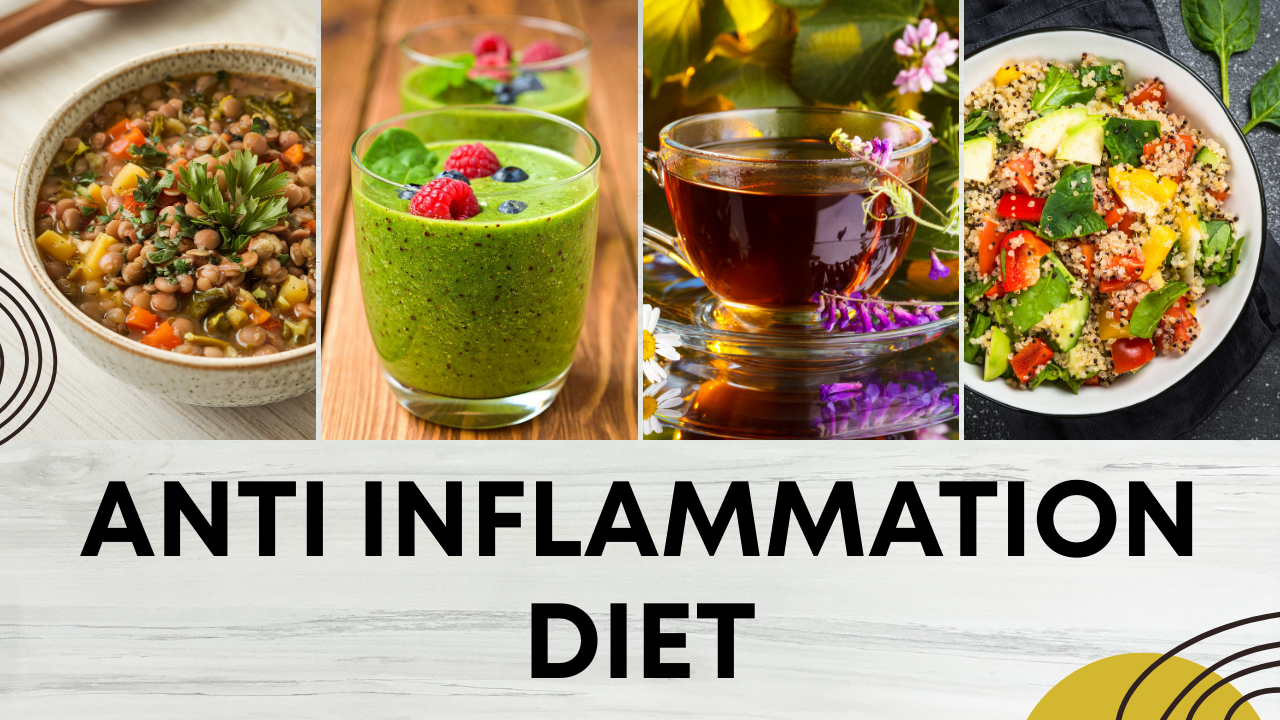
Anti-Inflammation Meals for Fat-Storing Inflammation
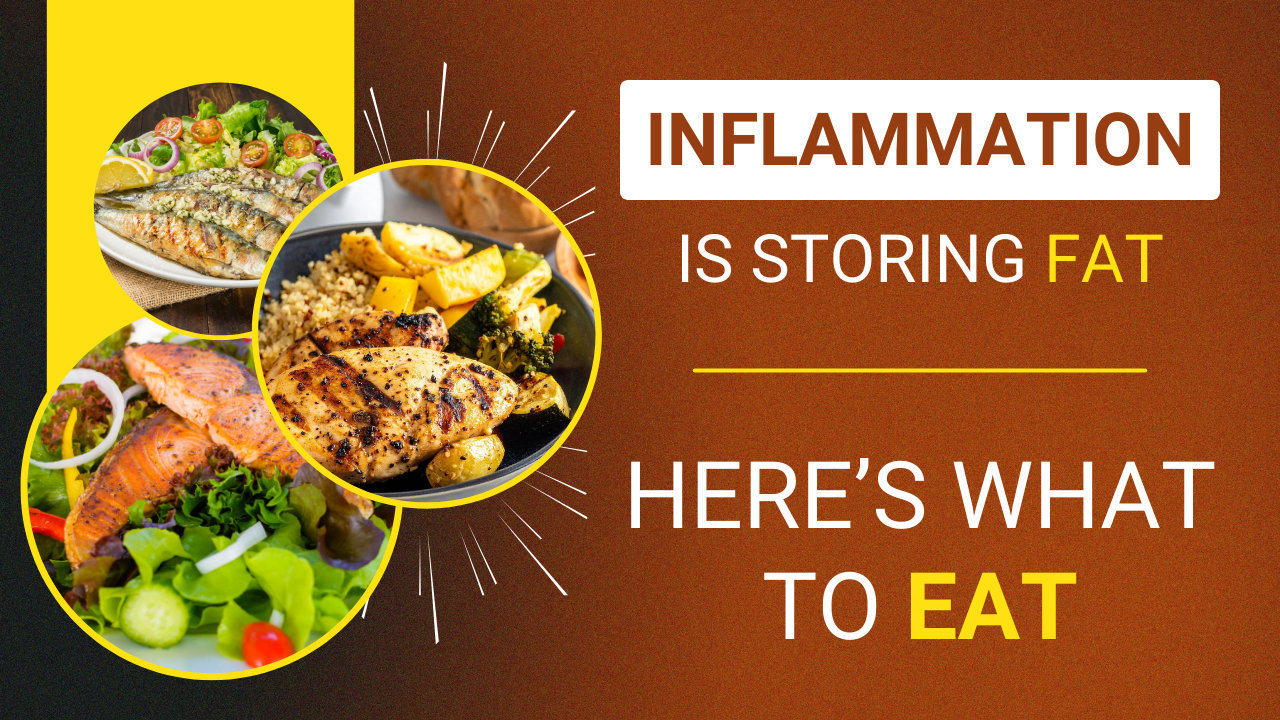
One of the main reasons many women have trouble losing weight, even when they eat healthy and work out, is because of hidden inflammation. The body may look peaceful on the surface, but low-grade swelling can quietly mess with hormones, blood sugar, and fat-burning processes. This aspect is where anti inflammation meals really shine. They do not fight the body’s biology; they work with it.
The body stops storing fat when meals are made to lower inflammation. Insulin sensitivity gets better, hormones get more balanced, and the metabolism starts to act normally again. For women over 30, this shift could be the missing piece that helps them lose weight naturally and keep it off.
Why Inflammation Makes Fat
Inflammation That You Cannot See
The body’s natural defence system is inflammatory. It helps the body fight off infections and repair wounds. But when inflammation stays low and steady, it might be bad for you. This condition is known as chronic low-grade inflammation.
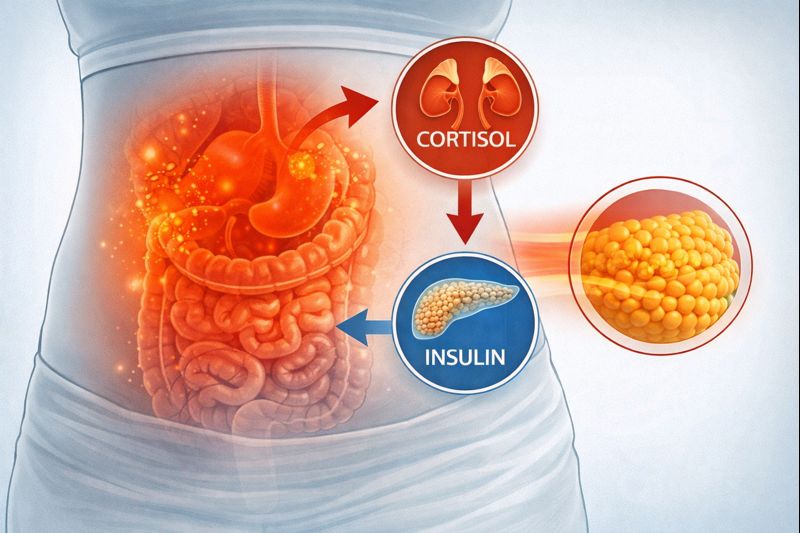
Studies by the National Institutes of Health (NIH) reveal that long-term inflammation elevates levels of insulin and cortisol. Insulin that is too high pulls sugar into fat cells. When cortisol levels are high, the body tells itself to store energy as belly fat. They work together to make a place where fat may easily be stored.
Hormones in Trouble
When women experience inflammation, it disrupts the balance of three important hormones:
| Hormone | The Impact of Inflammation | Outcome |
| Insulin | Less sensitivity | More fat storage |
| Cortisol | Consistently high | Gaining fat in the belly |
| Oestrogen | Not enough detox clearance | Holding on to water and gaining weight |
When these hormones are imbalanced, the body defends itself by retaining fat. This is not a matter of willpower; it is a survival reflex.
Inflammation in the Gut
The gut is crucial for keeping weight in check. Research in Nature Reviews Endocrinology says that an irritated gut lining lets poisons get into the blood. This sets up immunological responses that make inflammation worse and slow down metabolism.
Poor gut health also increases cravings for sugar and refined carbohydrates. These foods increase blood sugar levels and exacerbate inflammation, thereby worsening the cycle.
Why Women Are More Affected
Stress Load
Women often have more mental and emotional stress. Cortisol levels go up when you are stressed. Cortisol makes inflammation worse. Inflammation stops the body from burning fat. This chain reaction is why many women feel “stuck” even though they eat well.
Age and the way your body works
After age 30, your muscles slowly lose bulk, and your insulin sensitivity goes down. This process speeds up when there is inflammation. The body stays in a defensive, fat-storing condition without anti inflammation meals.
Bloating and Water Retention
Inflammation can also make fluids build up in tissues. This makes you look puffy, swollen, and heavier on the scale. Anti-inflammatory foods help the body get rid of this fluid by soothing the immune system.
How Meals That Fight Inflammation Help
Fewer insulin spikes
Foods that are high in fibre, healthy fats, and clean proteins make digestion slower. This maintains blood sugar levels steady and lowers the amount of insulin released. Less fat is stored when insulin levels are stable.
Relax the Nervous System
Greens with a lot of magnesium, omega-3 fats, and vitamin C from fruits are beneficial for the neurological system. When your nervous system is calm, it lowers cortisol and tells your body that it is safe to let go of stored fat.
Help the Liver
The liver gets rid of too much oestrogen and poisons that cause inflammation. Hormone balance gets better when it gets nutrients that fight inflammation. Better hormone balance implies that your body burns fat more efficiently.
Fix the Gut
Fermented foods, prebiotic fibres, and polyphenols help fix the gut’s lining. A healthy stomach lowers immune system activation and helps the body absorb nutrients better, which makes metabolism work better.
Benefits Supported by Science
Harvard Medical School says eating behaviours that fight inflammation are linked to:
- Better insulin sensitivity
- Lower C-reactive protein (CRP), which is a sign of inflammation
- Less fat in the belly
- Better control of hormones
These adjustments show why anti-inflammatory meals do more than just decrease calories.
Practical Signs That Inflammation Is Stopping You from Losing Weight
- You put on weight even though you consume less.
- Belly fat feels firm and puffy.
- When you are anxious, you want sugar.
- You get fatigued after eating.
- You often feel bloated or have joint pain.
These are signs that your body is in protective mode, not burn mode.
Food as the First Switch
It is simpler to lose weight when inflammation goes down. The body does not feel like it is in danger anymore. Metabolism speeds up on its own. Energy improves. Cravings fade away. This is why nutrition should first focus on anti inflammation meals before trying to speed up fat burning.
Many ladies also take natural weight loss pills. These operate best when the body is not inflamed. A calm system takes in nutrients better and reacts more quickly to metabolic support.
This is why nutrition should first focus on anti inflammation meals before trying to speed up fat burning.
Following a structured anti inflammation diet can further support hormone balance and reduce chronic inflammation.
Some women combine anti-inflammatory meals with structured programmes and gut-friendly products that help keep blood sugar, liver function, and microbiota balance in check.
Anti-inflammation Meals can be used with:
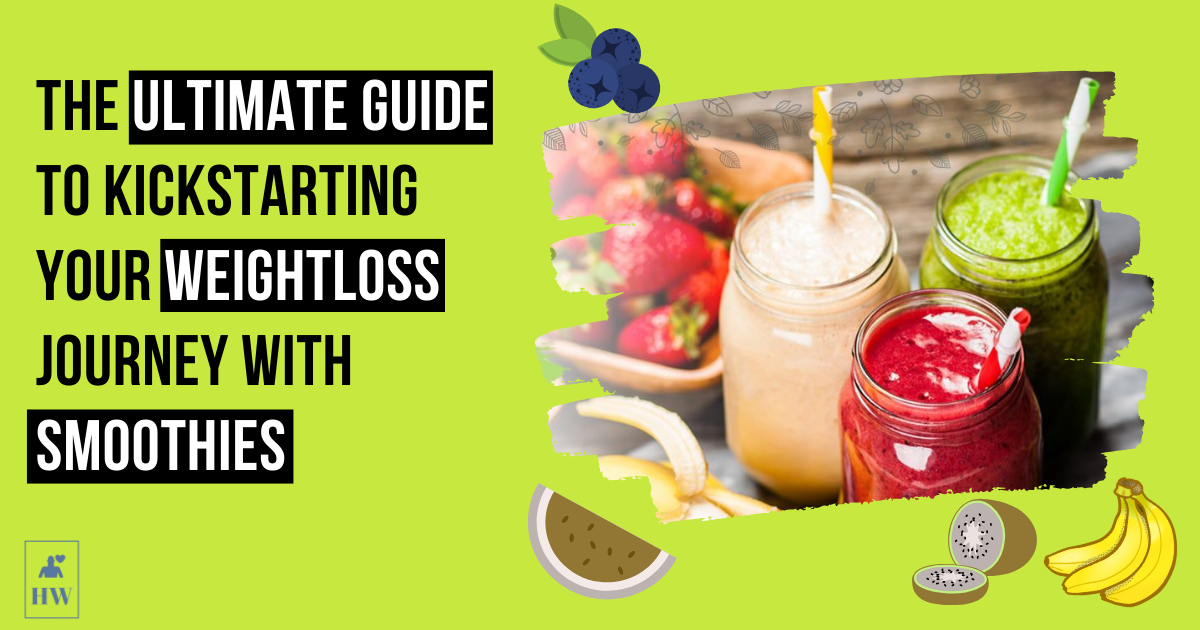
- Smoothie Diet Plan: https://tinyurl.com/mwrezbrp
- Ikaria Lean Belly Juice: https://tinyurl.com/5c55czae
- Hepato Burn – https://tinyurl.com/3b8h2vkz
- LeanBiome – https://tinyurl.com/2wmmpafk
When used with the correct foods, these tools can help with digestion, metabolic health, and controlling inflammation.
Which anti-inflammatory foods calm hormones that store fat?
Before you can lose resistant fat, your body needs to feel protected. Inflammation keeps the body on alert. This process makes insulin and cortisol levels go up and stops fat from being released. Extreme dieting is not the answer. The answer is to eat anti inflammatory meals .Anti inflammation meals calm the immune system, balance hormones, and revitalise the metabolism.
These meals help the liver and gut and minimise blood glucose spikes and oxidative stress. These effects work together to make the body an environment where fat can eventually be burned instead of stored.
Proteins That Are Good for Hormones
You need protein, but the kind you eat counts. Processed meats and other inflammatory proteins boost immunological markers. Clean proteins help repair muscles and keep insulin levels stable.
Some of the best alternatives are:
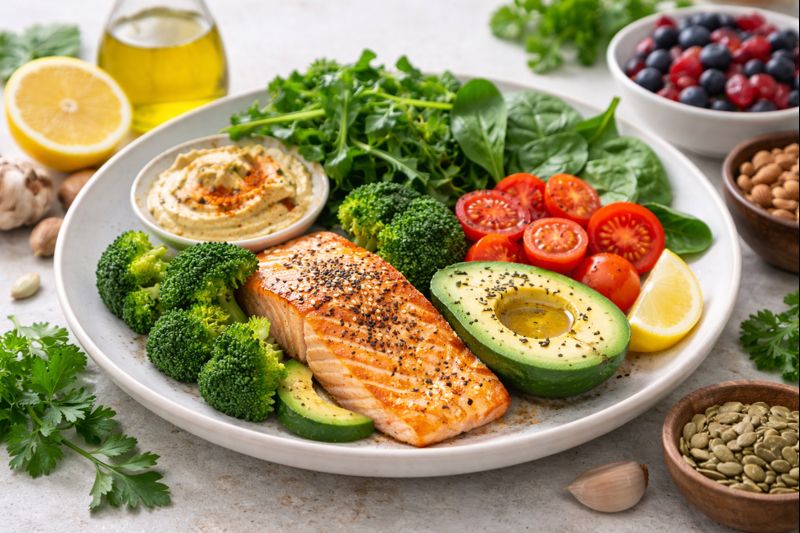
- Wild seafood like salmon and sardines is high in omega-3.
- Eggs from pasture-raised chickens
- Chicken and turkey that are organic
- Lentils and chickpeas are examples of plant proteins.
Fish omega-3 lipids lower the levels of inflammatory cytokines. The Journal of Nutrition has studies that demonstrate they make insulin work better and lower cortisol levels while you are under stress. When insulin levels are stable, less sugar gets pushed into fat cells.
Fats that are beneficial for you and stop inflammation
Not all fats are the same. Refined vegetable oils make inflammation worse. Natural fats help it settle down.
Best fats for reducing inflammation:
| Source of fat | Benefits |
| Olive oil that is extra virgin | Lowers CRP and keeps blood vessels safe |
| Avocado | Helps keep insulin levels in check |
| Seeds and nuts | Give zinc and magnesium. |
| Coconut in little amounts | Helps with metabolic energy |
These fats delay digestion and keep blood sugar levels steady. When your blood sugar is stable, you do not crave food as much and store less fat.
Fibre Benefits for Gut Health and Blood Sugar Regulation
Fibre is beneficial for the bacteria in your gut. Short-chain fatty acids produced by healthy bacteria lower inflammation and make metabolic signalling better.
Foods with the most fibre:
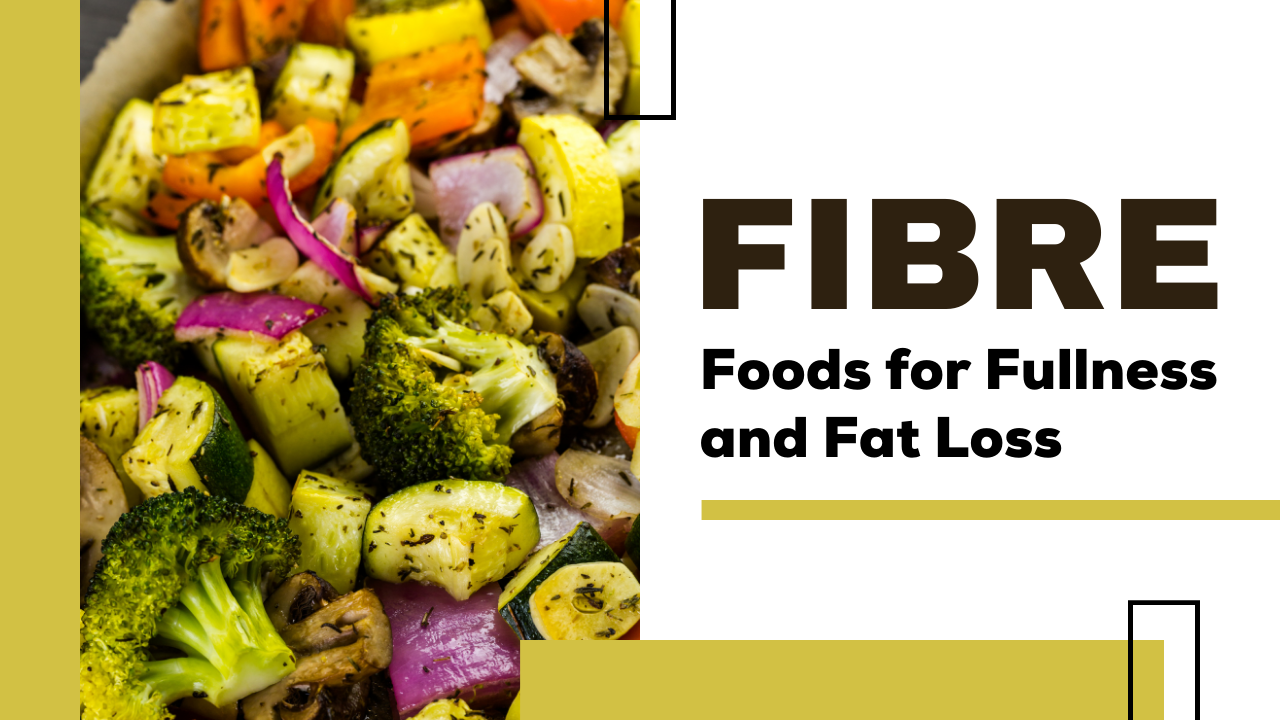
- Quinoa and oats
- Flax with chia seeds
- Fruits
- Greens with leaves
A study from the Harvard School of Public Health shows that women who consume a lot of fibre have lower levels of inflammation and better weight control.

Herbs and spices that work like medicine
Many traditional spices are good at fighting inflammation.
Important spices:
- Turmeric (curcumin) reduces inflammation in joints and tissues.
- Ginger helps with digestion and makes swelling go down.
- Cinnamon helps keep blood sugar levels stable.
- Garlic helps keep the immune system in balance.
These spices lower oxidative stress and make blood flow better. Better blood flow helps nutrients get to cells and toxins exit the body.
Breakfast to Fight Inflammation
Breakfast sets the tone for the day with hormones.
For example:
- Oatmeal with berries, flaxseed, and cinnamon
- Eggs with spinach and avocado
- Greek yoghurt with walnuts and honey and turmeric
These meals keep insulin levels stable and stop cortisol levels from going up in the morning.
Lunch to Reduce Inflammation
Lunches should provide you energy without making you crash.
For example:
- Salad with grilled salmon and olive oil dressing
- Garlic and turmeric lentil soup
- A bowl of quinoa with tahini and roasted veggies
These foods have protein, fibre, and healthy fats that keep inflammation low and energy levels steady.
Dinner to Fight Inflammation
Dinner affects how much fat you burn while you sleep.
For example:
- Chicken baked with sweet potato and broccoli
- Tofu stir-fried with ginger and a combination of vegetables
- Sardines with leafy leaves and olive oil
Light, nutrient-rich dinners stop insulin spikes at night and help the liver detox while you sleep.
Water and herbal support
Water helps get rid of trash that causes inflammation. Herbal drinks have extra health advantages.
Best choices:
- Green tea has antioxidants in it.
- Camomile to lower cortisol levels
- Tea with ginger helps digestion.
- Turmeric tea to soothe the immune system
In Conclusion
One of the main reasons many women have trouble with stubborn fat, a slow metabolism, and frequent cravings is hidden inflammation. Eating anti-inflammatory meals transforms the body from stress to balance. The liver starts to burn fat more efficiently instead of storing it, the gut heals, hormones settle down, and blood sugar levels stabilise.
When you eat anti-inflammatory foods, follow sensible practices, and use natural supplements that help, the results will last. If you want to lose weight healthily, feel lighter, and get your energy back, the first thing you need to do is calm down inflammation in your body. Try to make anti-inflammatory meals a part of your everyday routine. This will help your metabolism work with you instead of against you.
Questions and Answers
1. What are meals that fight inflammation?
They are meals produced from complete, natural ingredients that help regulate hormones and lower chronic inflammation.
2. Can inflammation truly hinder you from losing weight?
Yes. Cortisol and insulin levels go up when there is inflammation, which tells the body to store fat.
3. What foods make inflammation worse?
White flour, fried foods, refined sugar, and oils that have been processed.
4. How long does it take for anti-inflammatory meals to work?
Within one to two weeks, many women report that they are less bloated and have more energy.
5. Are diets that fight inflammation helpful for belly fat?
Yes. Reducing cortisol and insulin levels can assist in getting rid of persistent belly fat.
6. Do these foods help with pain in the joints as well?
Yes. Less inflammation usually makes joints less tight and swollen.
7. Is it okay to follow this strategy while taking supplements?
Yes. Supplements perform better when there is not much inflammation.
8. Is this method safe for the long term?
Yeah. It is based on whole foods and backed up by studies in therapeutic nutrition.
Disclaimer
This article is for educational purposes only and does not replace professional medical advice. Always consult your doctor before making dietary changes or using supplements, especially if you have a medical condition or are taking medication.