Anti Inflammation Diet for Women: A Simple Fix for Daily Bloating
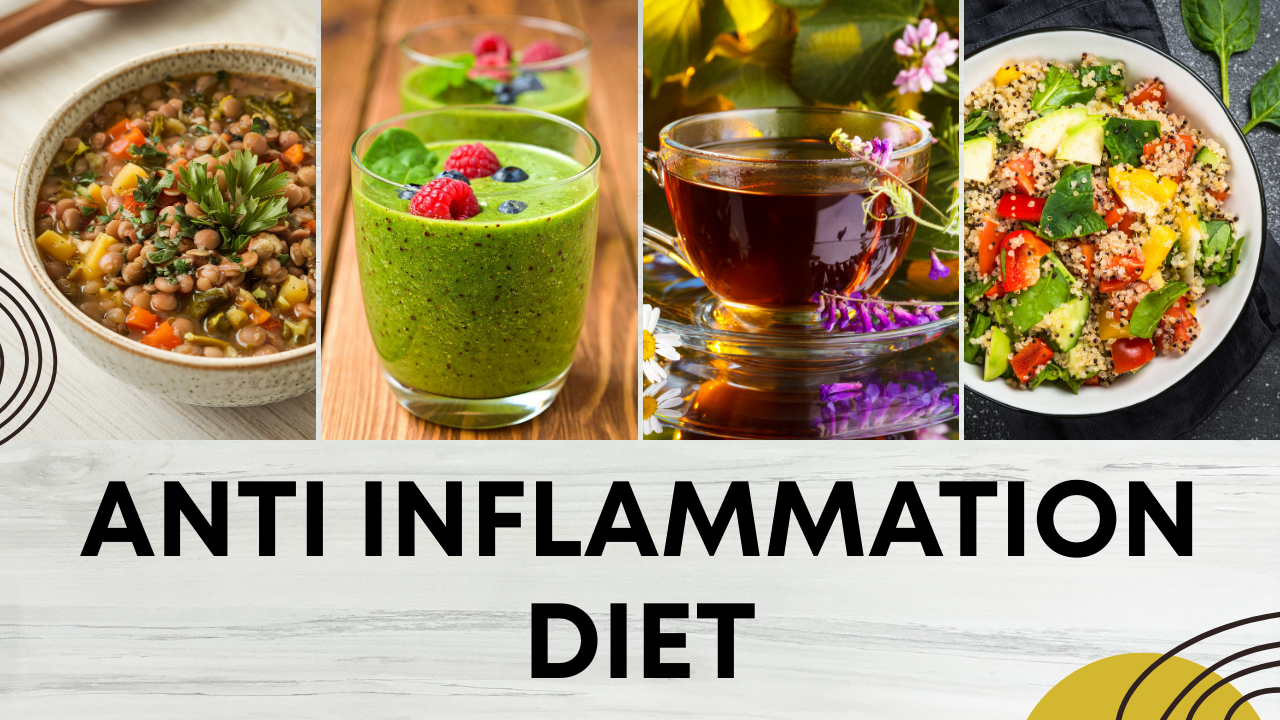
Even when they strive to eat correctly, many women wake up with a puffy, bloated, fatigued, or painful belly. Daily inflammation is one of the most common but least discussed causes of weight gain that will not go away, a slow metabolism, afternoon crashes, cravings, hormonal puffiness, and gut discomfort. The good news? Your body is not broken. It is simply overwhelmed.
An anti inflammation diet interacts with your hormones, stomach, and daily routine in a gentle way. It helps with digestion, calms bloating, and reduces swelling inside the body. It also helps your body release stored fat without putting too much stress on it. This anti inflammation diet is based on WebMD-style research and a delicate, feminine approach to wellbeing. It focuses on soothing foods, leisurely routines, and natural support tools like the Smoothie Diet Programme (https://tinyurl.com/mwrezbrp) to help soothe the gut and lower cravings in a sustainable way.
Triggers of Hidden Inflammation
Inflammation inside the body sometimes builds up quietly. Women often experience bloating, fatigue, cravings, and hormonal swelling, but they rarely identify the hidden causes. This section explains the real reasons why inflammation rises and how an anti-inflammatory diet helps reset the body.
Too Much Stress and Cortisol
Hormonal patterns make women more likely to experience stress-related inflammation than men. When cortisol increases, digestion slows, cravings increase, and belly bloating worsens. Studies show that chronic stress elevates inflammation markers and contributes directly to abdominal fat and water retention.
Why cortisol causes inflammation:
- It makes blood sugar levels unstable.
- It raises hunger hormones.
- It increases digestive inflammation.
- It slows the thyroid and reduces metabolism.
Simple relaxation practices—herbal tea, slow breathing, and morning movement—can lower cortisol and support the anti-inflammatory diet.
Inflammation Caused by Hormones
Women in their 30s to 50s commonly experience hormonal inflammation, which leads to cravings, weight gain around the hips and belly, and mood swings. When estrogen levels drop or fluctuate, inflammation rises.
Common signs include:
- Puffiness in the morning
- Belly swelling before or after the cycle
- Unusual cravings
- Brain fog
- Afternoon irritability
Anti-inflammatory foods help balance insulin, reduce cravings, and stabilize hormones.
Digestive Swelling and Gut Imbalance
More than 70% of the immune system is located in the gut. When gut bacteria become imbalanced (dysbiosis), inflammation rises.
Women commonly report:
- Daily bloating
- Constipation
- Gas
- Puffy stomach
- Food sensitivities
Eating foods high in fibre and probiotics improves gut diversity. Many women use LeanBiome (https://tinyurl.com/2wmmpafk) to help rebalance their gut bacteria and reduce bloating naturally.
Foods That Cause Inflammation
Certain foods trigger digestive discomfort and inflammation. Removing or reducing these foods can create noticeable improvement within days.
Common inflammatory foods:
- Sugar
- Processed snacks
- Seed oils (soybean, corn oil)
- White flour
- Excess dairy
- Fried foods
Replacing these foods with soothing alternatives is the first step in an anti-inflammatory diet.
Triggers of Hidden Inflammation and Their Effects
| Trigger | What It Does to Women | Fix for Inflammation |
| High cortisol | Belly swelling and cravings | Slow eating and mindful routines |
| Hormonal changes | Belly swelling and mood swings | High-fibre foods supportive to hormones |
| Poor gut bacteria | Fatigue, gas, and bloating | Fermented foods, probiotic foods |
| Sugar + white flour | Afternoon crashes, inflammation | Sweet potatoes, whole grains |
| Processed oils | Joint pain, digestive irritation | Olive oil, avocado |
Foods That Heal and Reduce Inflammation
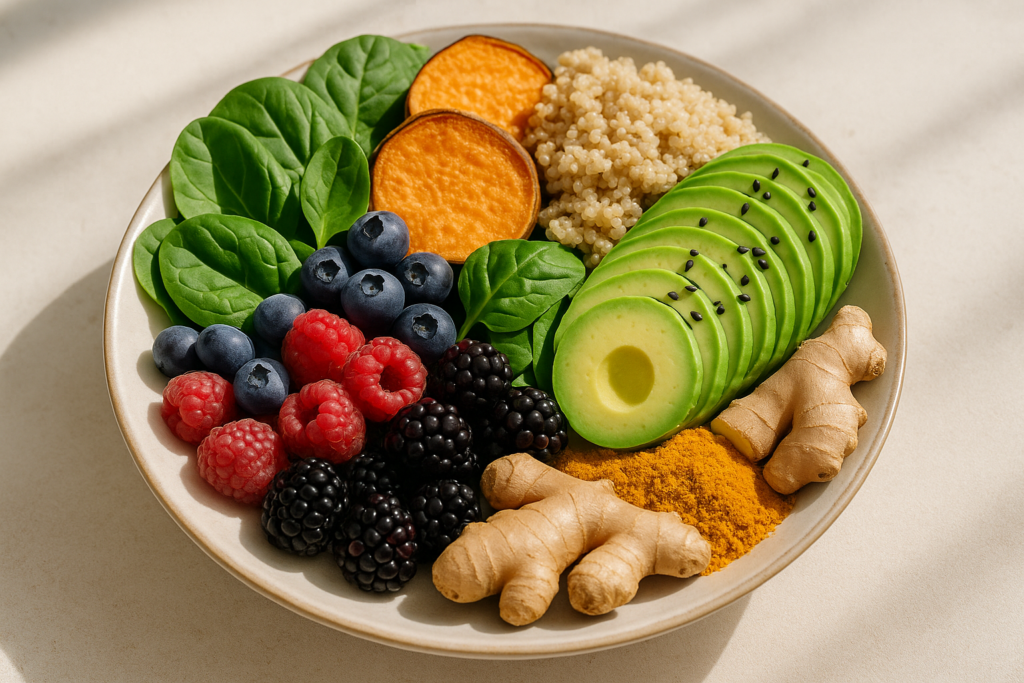
The core of an anti inflammation diet is to nourish the body with whole, calming foods that reduce swelling, stabilize hormones, balance blood sugar, and soothe digestion.
Fruits and Vegetables That Reduce Bloating
Colourful plant foods are packed with antioxidants, polyphenols, and flavonoids that help lower cellular inflammation.
Best choices include:
- Berries
- Leafy greens
- Broccoli
- Citrus fruits
- Carrots
- Zucchini
These foods help heal the gut, stabilize blood sugar, and reduce cravings.
Healthy Anti-Inflammatory Fats
Healthy fats support hormone function, skin, brain health, and inflammation control.
Top anti-inflammatory fats:
- Olive oil
- Avocado
- Walnuts
- Almonds
- Flaxseed
- Omega-3-rich foods (salmon, chia seeds)
These fats calm gut and joint inflammation.
Fibre-Rich Carbohydrates for Women
Anti-inflammatory carbohydrates digest slowly and help maintain appetite control.
Best options:
- Sweet potatoes
- Oats
- Quinoa
- Beans
- Lentils
These foods calm gut inflammation and support healthy metabolism.
Women who struggle with cravings or portion control often use Ikaria Lean Belly Juice (https://tinyurl.com/5c55czae) to stabilize energy and reduce cravings throughout the day.
Herbs and Spices That Reduce Inflammation
Natural herbs and spices are potent inflammation reducers.
Most effective include:
- Turmeric
- Ginger
- Cinnamon
- Garlic
- Rosemary
Turmeric is widely studied for reducing inflammation and supporting joint health.
Women with stubborn liver-related inflammation often use HepatoBurn (https://tinyurl.com/3b8h2vkz) alongside their anti-inflammatory diet to reduce puffiness and support detox pathways.
Women’s Anti-Inflammatory Food Swaps
| Inflammatory Food | Healing Anti-Inflammatory Swap |
| White rice | Brown rice or quinoa |
| Fried snacks | Roasted chickpeas or nuts |
| Sugary cereal | Oats with berries |
| Processed oils | Olive oil or avocado |
| White bread | Sprouted or whole-grain bread |
Routine to Reduce Inflammation
Lifestyle changes can have a big impact on lowering internal inflammation, easing bloating, balancing hormones, and restoring natural energy. The anti-inflammatory diet works best when paired with simple daily habits that support digestion and calm the nervous system. These soft routines are easy, kind, and feminine—ideal for women who want to heal naturally without stress.
Studies suggest that small daily changes have a bigger effect on inflammatory markers than major, occasional changes. This is why people in Blue Zones, the Mediterranean, and long-living communities follow slow, rhythmic lifestyles. When your day flows smoothly, your hormones settle, your digestion improves, and your body stores less inflammation.
Morning Reset for Relaxed Energy
How you start your morning affects your inflammation levels when following an anti inflammation diet. Waking up in a rush raises cortisol, which triggers swelling, cravings, and mid-morning fatigue.
A calming morning routine lowers cortisol and pairs beautifully with the anti-inflammatory diet.
Morning ideas for women:
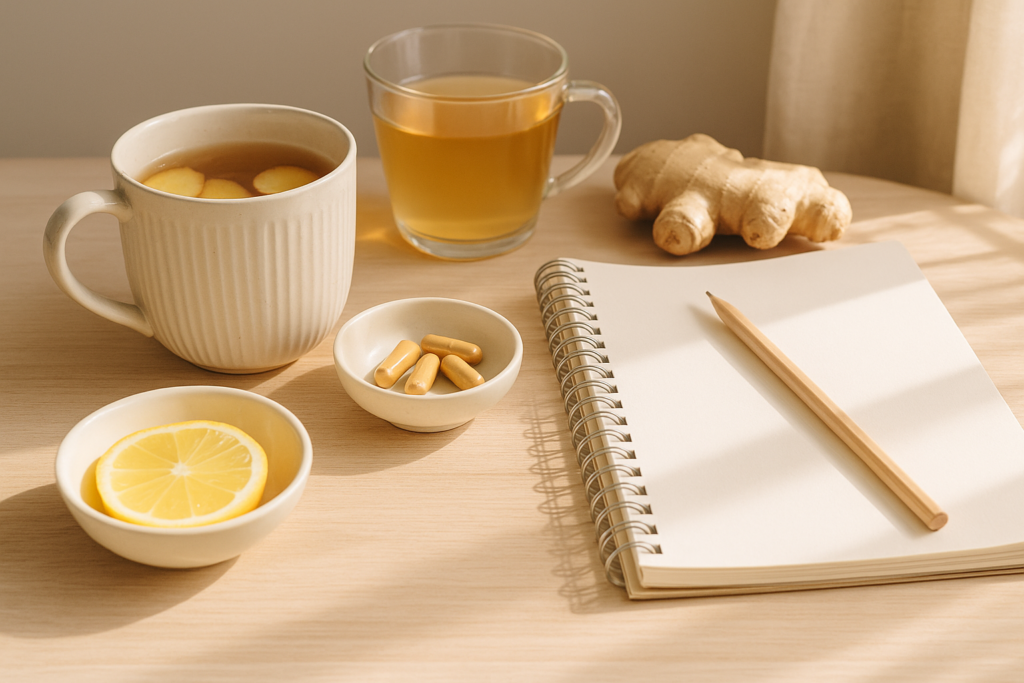
- Warm lemon water
- 5–10 minutes of stretching or gentle yoga
- Natural sunlight exposure for hormone balance
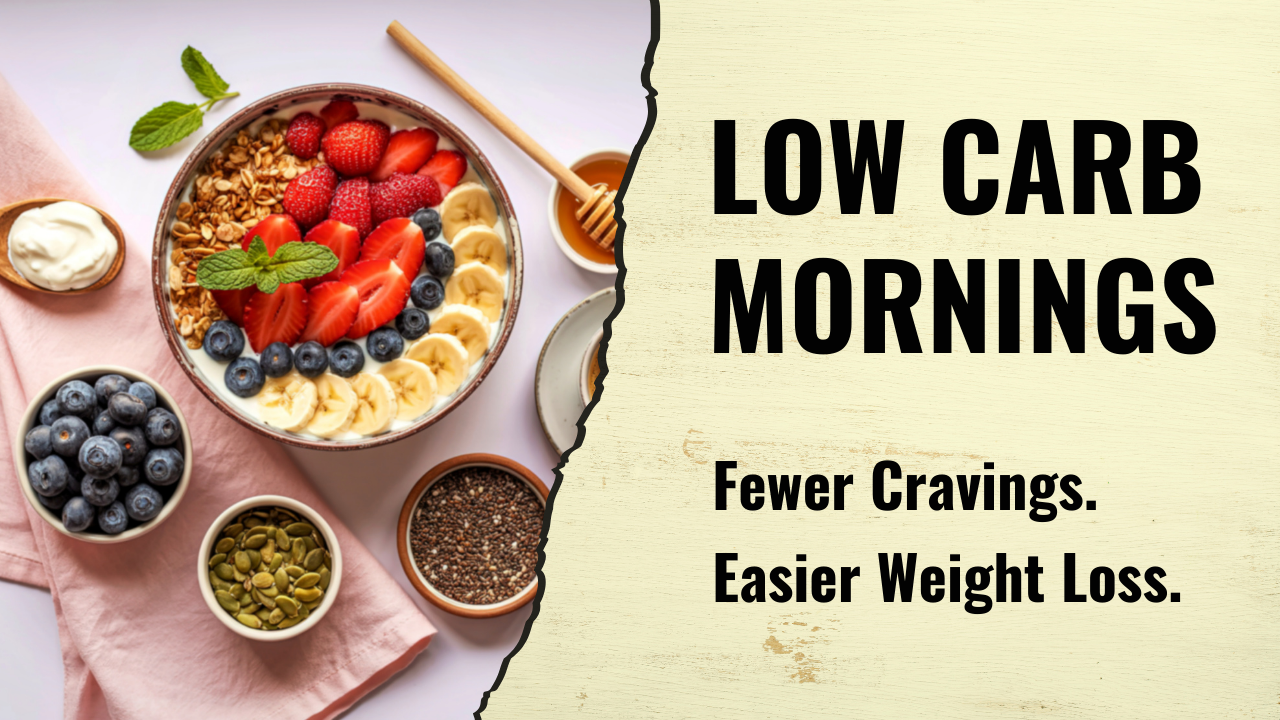
- An anti-inflammatory breakfast (berries + oats, chia pudding, green smoothie)
Warm lemon water eases digestion, and gentle stretching moves lymph to reduce puffiness. Morning light supports melatonin and cortisol balance—especially important for women with stress-driven inflammation.
Many women say that adding a high-fibre smoothie improves digestion and reduces morning bloating. The Smoothie Diet Programme (https://tinyurl.com/mwrezbrp) is a gentle tool many women use for this.
Balanced Food at Noon
Inflammation typically decreases mid-day, when metabolism is strongest. This is the ideal time for the most balanced meal of the day.
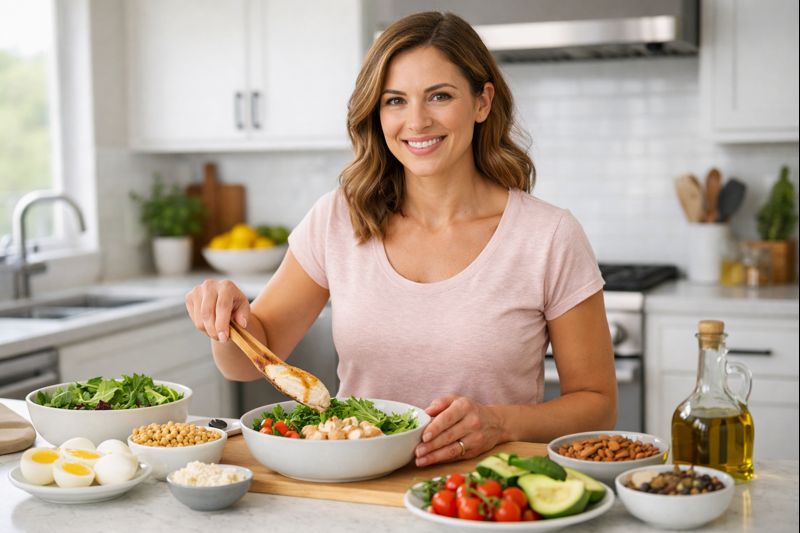
A healthy anti-inflammatory lunch includes leafy greens, clean protein, healthy fats, and high-fiber carbohydrates. Many women follow simple anti inflammation meals during lunch to keep their energy stable and reduce afternoon cravings.
Examples:
- Quinoa salad with leafy greens, chickpeas, and olive oil
- Lentil soup with turmeric
- Sweet potatoes with vegetables and avocado
- Bean-veggie Buddha bowl
Women who follow consistent meal timing often experience fewer afternoon crashes and smoother digestion.
Ritual to Stop Afternoon Cravings
Emotional cravings peak in the afternoon due to energy dips, cortisol shifts, and slower digestion.
A gentle anti-inflammatory routine prevents overeating:
- Herbal tea (ginger, mint, fennel)
- 10 minutes of fresh air
- Slow breathing
- Protein-rich snacks (nuts, hummus, berries)
These habits reduce gut inflammation and balance appetite hormones like ghrelin.
Walking in the afternoon can lower blood sugar spikes (NIH, 2020). Even 5 minutes of movement helps digestion and inflammation.
Night Ritual to Reduce Inflammation
Nighttime is the best period to unwind and lower inflammation after daily food, movement, and stress.
Best evening habits for women:
- Light, early dinner
- Anti-inflammatory herbal tea
- Warm shower
- Low lighting
- Gratitude journal
A light dinner supports digestion and better sleep—the body’s most natural inflammation-fighting process.
Easy-to-digest options include broth soups, steamed vegetables, beans, lentils, and leafy greens. Sleeping earlier strengthens natural circadian rhythms, reduces cortisol, and prevents water retention.
Women who follow the anti-inflammatory diet with relaxing nighttime routines notice reduced belly and facial puffiness within days.
Soft Supplements That Help Healing
Supplements should never replace meals, but they can support women dealing with persistent inflammation, slow digestion, fatigue, or hormonal puffiness while following an anti inflammation diet. A WebMD-style, gentle approach views supplements as supportive “helpers.” They work best alongside soothing foods, hydration, movement, rest, and an anti inflammation diet.
The right supplements help hormone balance, metabolism support, gut diversity, and reduced digestive inflammation. Below are supplement categories that pair well with an anti-inflammatory diet.
Support for Gut Healing
Most inflammation begins in the gut, making digestive support essential.
Helpful supplements include:
- Probiotics (restore healthy bacteria)
- Prebiotic fibres (feed good bacteria)
- Digestive enzymes (reduce bloating after meals)
- L-glutamine (supports gut lining repair)
Women experiencing bloating or slow digestion often feel faster relief with microbiome support. Many use LeanBiome (https://tinyurl.com/2wmmpafk) with their diet to increase gut diversity and reduce inflammation-driven swelling.
Herbs That Help with Inflammation
For centuries, many herbs have been used to reduce inflammation:
- Curcumin (turmeric)
- Ginger
- Cinnamon
- Boswellia
- Green tea extract
Curcumin is well studied for reducing inflammatory markers and improving joint comfort (Journal of Medicinal Food, 2019). Ginger improves digestion and reduces nausea and bloating. Boswellia reduces swelling and supports joint mobility.
Herbal teas throughout the day naturally support inflammation balance.
Hormonal and Stress Support
Women experience increased inflammation from hormonal shifts, stress, and cortisol spikes. These nutrients help restore calm:
- Omega-3 fatty acids
- Magnesium glycinate
- Ashwagandha
- Vitamin D3
- B-complex vitamins
Omega-3s reduce inflammation, balance hormones, and support brain health. Magnesium glycinate improves sleep, reduces stress, and relaxes muscles. Ashwagandha regulates cortisol to lower stress-driven inflammation.
Women under extended stress benefit greatly from adding these supportive nutrients.
Support for Metabolism and Cravings
Inflammation slows metabolism and increases cravings, which is why an anti inflammation diet is so effective. Supplements that stabilize blood sugar, improve fullness, and support liver function make weight loss easier when combined with an anti inflammation diet.
Helpful options include:
- Berberine
- Green tea extract
- Chromium
- Fibre supplements
- Milk thistle for liver support
Women struggling with cravings or energy imbalances often use Ikaria Lean Belly Juice (https://tinyurl.com/5c55czae) and the Smoothie Diet Programme (https://tinyurl.com/mwrezbrp) to improve appetite control.
HepatoBurn (https://tinyurl.com/3b8h2vkz) is commonly used by women with liver inflammation or hormonal belly to support detox and reduce stubborn swelling.
Symptoms and Supplement Support
| Symptom | Type of Supplement That Helps |
| Daily bloating | Probiotics, digestive enzymes |
| Puffy inflammation | Ginger, curcumin, omega-3 |
| Stubborn belly fat | Omega-3s, liver support |
| Afternoon cravings | Chromium, fibre supplements |
| Stress swelling | Magnesium glycinate, ashwagandha |
| Slow metabolism | Berberine, green tea extract |
Conclusion
The anti inflammation diet is not a strict regimen or a harsh practice. It is a soothing way of living that helps women feel lighter in their bodies, ease everyday bloating, and regulate their hormones. Your body naturally becomes less inflamed when you eat foods that calm your cells, reduce stress, and support your stomach. You gain more energy, your cravings fade, your digestion improves, and losing weight feels easier.
You may teach your body to relax instead of react by making small choices every day, such as eating a soothing breakfast, adding high-fibre foods, using healing herbs, and following slow, feminine habits. When combined with gut support, stress balancing, and gentle metabolism boosters, the anti inflammation diet becomes a powerful way to reduce belly fat, decrease puffiness, and bring your body back into balance.
If you want to try this healing method, start with one calming step and then add more.
Disclaimer
This content is for educational purposes only and does not replace professional medical advice. Always consult your doctor or healthcare provider before making changes to your diet, supplements, or lifestyle, especially if you have medical conditions or take medications.