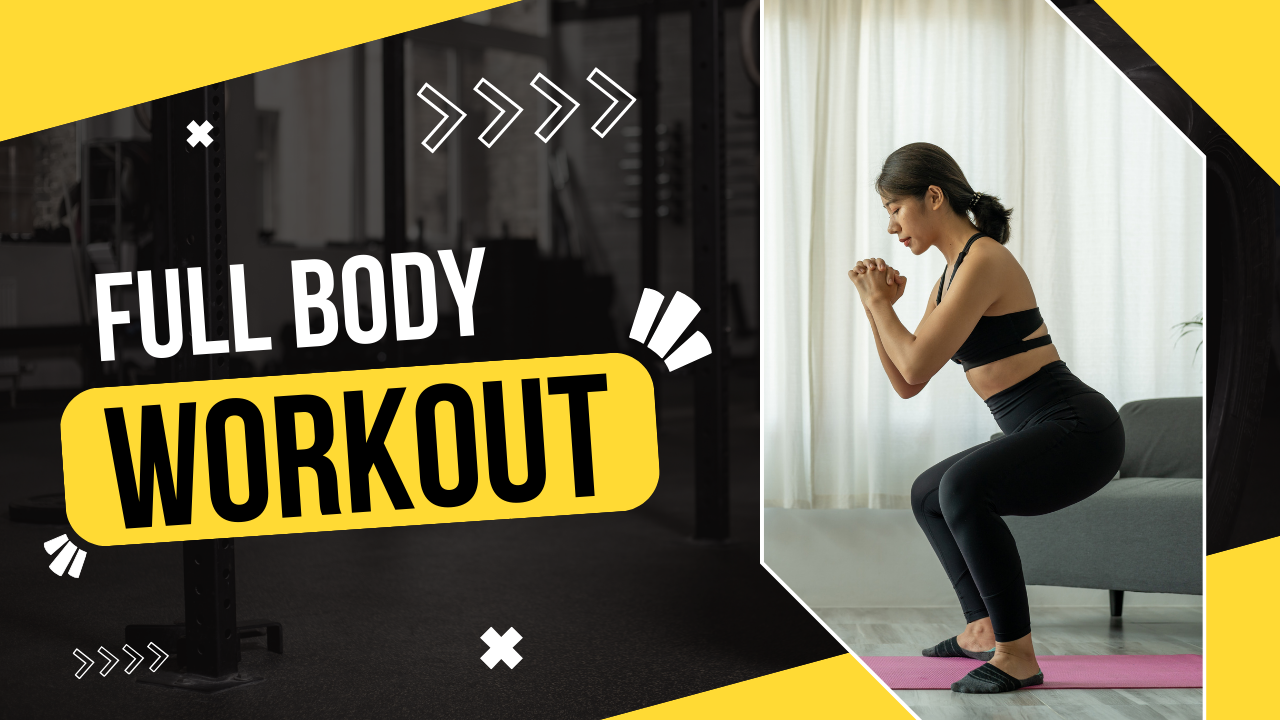
Full Body Workout Plan That Boosts Fat Burn Naturally
Many ladies go out, eat healthily, and even take supplements, yet they still cannot lose weight. People are trying, but the results are slow, uneven, or not happening at all. People sometimes get furious and do not trust themselves when they think that willpower or discipline is the problem.
A decent full body workout plan might help you get out of this pattern. When a full body workout plan works with hormones, metabolism, and the nervous system, it becomes easier and more natural to lose fat. The goal is not to push the body, but to help it get to a calm, balanced state where burning fat feels good and lasts a long time.
Why Women Lose Weight More Slowly
Hormones and How the Body Works
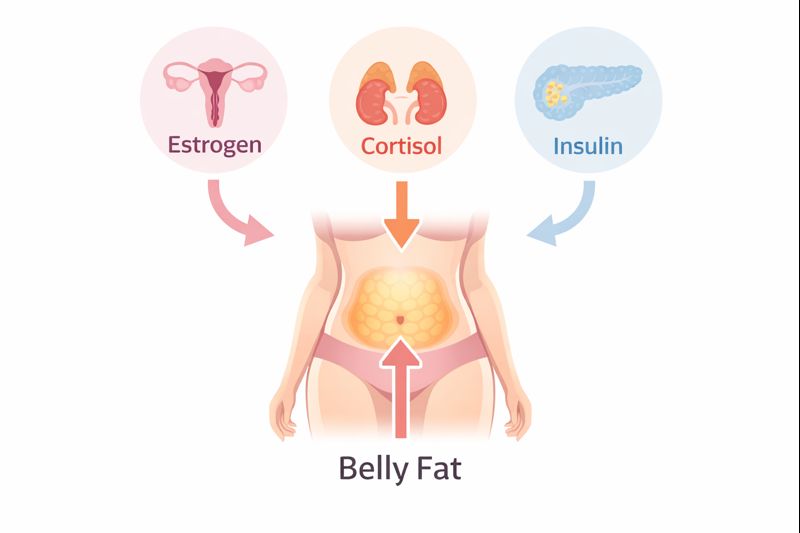
A lot of women do not only acquire weight by eating more calories. Hormones play a key role in how the body accumulates and releases fat. Insulin, cortisol, thyroid hormones, and oestrogen all affect how the body uses energy. The body retains fat to protect itself when these hormones become out of balance.
A study published in the Journal of Clinical Endocrinology & Metabolism discovered that hormonal changes, especially during stress and midlife, can slow down the metabolism and make it easier for the body to accumulate fat in the abdomen. This is why many women still have belly fat that will not go away even when they eat well.
A modest full-body workout plan helps balance hormones by working out huge muscle groups, making insulin more sensitive, and lowering stress levels that tell the body to store fat.
The Connection to Cortisol
Cortisol is often called the “stress hormone.” When you are busy, do not get enough sleep, or work out too hard, your cortisol levels stay high. High levels of cortisol make you store fat, especially around your waist.
Long-term stress can make you hungry, raise your blood sugar, and slow down how rapidly your body burns fat, according to Harvard Medical School. The body goes into survival mode when this happens because it thinks it is in danger. It gets really hard to lose weight no matter how hard you try.
A full-body workout plan with low-impact, repeated movements might help calm the nervous system. When you have controlled strength, deep breathing, and a steady stride, your brain knows you are safe. When cortisol levels drop, the body is more likely to lose fat that it has stored.
Blood Sugar and Insulin
Insulin is a hormone that helps sugar move from the blood into cells. More sugar stays in the blood and turns into fat when insulin sensitivity is low. This disease, also known as insulin resistance, is more likely to affect women who sit for long periods of time, are under a lot of stress, or go through hormonal changes.
The American Journal of Physiology argues that resistance training for the whole body makes it easier for muscles to absorb glucose. Muscles take sugar from the blood and use it as fuel while they operate. This keeps energy levels stable and minimises the amount of fat deposited.
A full-body workout plan that includes modest strength training will help you get your insulin sensitivity back without making you tired.
What Muscles Do
Muscle is one of the body’s most important metabolic organs. It burns calories even when you are not doing anything. As you get older or do not move around much, your metabolism slows down naturally because your muscle mass decreases. A consistent full body workout plan helps preserve and build muscle, keeping your metabolism active and supporting long-term fat loss.
The Mayo Clinic advises that doing strength training often helps keep your muscles strong, which keeps your resting metabolic rate high. This means that the body burns more calories all day long, even when it is not working out.
A full-body workout plan that works out your legs, back, chest, core, and arms all at once keeps your muscles active and tells your body to keep burning fat.
Nervous System Balance
It is not just about dropping weight when you want to lose weight. It is also neurological. The nervous system tells the body whether it feels safe or in danger. When you are stressed, losing weight is not your main priority.
The parasympathetic nervous system turns on when you breathe slowly and move your body in a controlled way. This is the “rest and digest” setting. When this system is working, your hormones become more stable, your metabolism works better, and your digestion becomes healthier.
A peaceful Full-Body Workout Plan creates this kind of environment. It keeps stress levels low and focuses on moderate, meditative activity, which soothes the mind and helps with long-term fat loss.
The Best Full-Body Workout Plan for Losing Weight Naturally
Gently Waking Up the Whole Body
It does not have to be extremely hard to follow a good full body workout plan. Most women, especially those over 35, find it easier to lose weight when their workouts are safe, consistent, and frequent. The goal is to get many muscles working at once, slowly raise the heart rate, and keep stress hormones low.
The Mayo Clinic states that doing moderate-intensity exercise on a regular basis makes insulin more responsive, improves blood flow, and makes metabolism more adaptable. This means that the body gets better at using stored fat for energy instead of storing it.
A balanced full-body workout plan works the key muscle groups in the legs, hips, back, chest, arms, and core. This helps the body produce more fat-burning hormones while remaining calm and supported.
Key Movements That Are Safe for Burning Fat
Exercises That Work More Than One Muscle
You work more than one muscle at a time when you perform complex movements. They help keep hormones in balance and burn more calories. For example:
- Squats or chair squats
- Wall push-ups
- Lunges or step-backs
- Seated rows with a resistance band
- Standing overhead presses
- Gentle core twists
The American College of Sports Medicine has found that these exercises help control insulin levels and increase the amount of glucose that muscles take in.
Low-Impact Cardio
Low-impact exercise is excellent for the heart and does not raise cortisol levels.
Examples:
- Walking
- Cycling
- Gentle rowing
According to research from Harvard Health, women who walk briskly for 30 minutes a day burn more fat and lose belly fat.
A full-body workout plan that combines strength training and walking is one of the best ways to burn fat without overloading the nervous system.
Breathing and Getting Thin
Breathing controls the nervous system. During exercise, slow and deep breathing activates the parasympathetic nervous system, which lowers cortisol and improves oxygen delivery.
According to a study in Frontiers in Physiology, controlled breathing:
- Improves metabolism
- Lowers stress chemicals
- Keeps the body in fat-burning mode instead of fat-storing mode
To maintain energy and avoid burnout, breathing should remain slow and steady during every part of the Full Body Workout Plan.

Weekly Structure (Simple for Newbies)
| Day | Activity |
| Day 1 | Full-body strength + 20-minute walk |
| Day 2 | Rest or mild stretching |
| Day 3 | Full-body strength + 20-minute walk |
| Day 4 | Rest or light movement |
| Day 5 | Full-body strength + 30-minute walk |
The National Institute on Ageing says that recovery days are very important for balancing hormones and repairing muscles, especially for women in their 40s and 50s.
Core Without Stress
Gentle core activation works better than hard crunches:
- Standing marches
- Pelvic tilts
- Dead bugs
- Side-lying leg raises
These movements:
- Improve posture
- Protect the spine
- Increase insulin sensitivity
- Help reduce lower belly fat
A calm and controlled Full-Body Workout Plan strengthens the core, protects joints, and reduces inflammation.
How Working Out Helps Keep Hormones in Check
Regular moderate exercise improves:
- Oestrogen metabolism
- Thyroid function
- Growth hormone release
The Journal of Applied Physiology states that resistance training increases growth hormone, which supports fat loss and muscle preservation.
A Full-Body Workout Plan that includes walking, breathing, and strength training is one of the most effective ways to lose weight naturally and keep it off.
How to Use Lifestyle Support to Get Better Results
Hormones That Help You Lose Weight and Sleep
When the body is fully rested, a Full-Body Workout Plan works best. During deep sleep, the body releases growth hormone. This hormone helps maintain blood sugar constant, burn fat, and repair muscles.
According to the National Sleep Foundation, not getting enough sleep raises cortisol and lowers leptin, the hormone that tells you when you are full. This imbalance makes you hungrier and slows down your metabolism.
Women who sleep on a regular schedule often notice:
- Better control over appetite
- Faster healing
- More energy
- Easier fat loss
Even small changes in sleep can help a Full-Body Workout Plan work much better.
Reducing Cortisol and Managing Stress
Long-lasting stress keeps cortisol levels high, which tells the body to store fat, especially around the stomach.
The American Psychological Association says that long-term stress increases insulin resistance and belly fat.
Habits that help calm the body:
- Five minutes of deep breathing
- Light stretching after workouts
- Short walks outdoors
- Mindful movement
These activities relax the nervous system and allow the Full-Body Workout Plan to balance hormones and release stored fat.
Timing Meals and Helping Your Metabolism
Fat burning works best when meals are balanced and evenly spaced.
Important nutrients:
- Protein for muscle repair and metabolism
- Fibre for steady blood sugar and fullness
- Healthy fats for hormone production
The Journal of Nutrition reports that women who eat enough protein have:
- Better metabolic control
- Fewer cravings
- Improved body composition
Balanced meals together with a Full Body Workout Plan keep energy stable and support long-term fat loss.

Controlling Weight and Gut Health
The gut microbiota plays an important role in:
- Insulin sensitivity
- Inflammation control
- Fat metabolism
Nature Reviews Endocrinology shows that healthy gut bacteria improve blood sugar control and fat burning.
Support gut health with:
- High-fibre foods
- Fermented foods
- Gentle daily movement
This strengthens the results of a Full-Body Workout Plan and supports hormonal balance.
More Consistency, Less Intensity
The World Health Organization states that regular, moderate exercise is better for long-term metabolic health than short bursts of intense training.
Benefits of consistency:
- Stable hormones
- Preserved muscle mass
- Lower injury risk
- Sustainable fat loss
Three sessions per week of a Full-Body Workout Plan often work better than extreme routines that cause burnout.
Body Recomposition Over Time
Progress is not only about the number on the scale.
Positive changes include:
- Better posture
- More toned muscles
- Improved circulation
- Higher energy
- Clearer thinking
Strength training builds lean mass.
Walking improves blood flow.
Breathing calms the nervous system.
Together, these teach the body to burn fat instead of storing it.
Natural Support That Works
Some women use natural support tools along with their Full Body Workout Plan:
- Smoothie Diet Programme
https://tinyurl.com/mwrezbrp - Ikaria Lean Belly Juice
https://tinyurl.com/5c55czae - Hepato Burn
https://tinyurl.com/3b8h2vkz - LeanBiome
https://tinyurl.com/2wmmpafk
These work best alongside movement, good sleep, and stress management.
Conclusion
A gentle, science-based Full-Body Workout Plan helps women lose weight by working with hormones, metabolism, and the nervous system instead of against them. It improves insulin sensitivity, lowers cortisol, preserves muscle mass, and encourages the body to release stored fat in a calm and lasting way.
When movement is steady, breathing is controlled, and recovery is respected, the body feels safe. In this safe state, digestion improves, hormones balance, and fat burning becomes easier and more sustainable.
A regular Full-Body Workout Plan that includes light strength training, low-impact cardio, deep breathing, good sleep, and stress management supports healthy, long-term weight loss. It is not about pushing harder, but about consistency, patience, and working with the body’s natural rhythms.
Over time, this approach improves not only body weight but also energy, posture, mood, and overall well-being.
Frequently Asked Questions
1. Will a full-body workout plan help remove stubborn belly fat?
Yes. A balanced Full Body Workout Plan increases insulin sensitivity, lowers cortisol, and activates large muscle groups, helping the body release stored abdominal fat.
2. How many days per week should women train?
Most women benefit from three days per week. This allows hormonal recovery while keeping metabolism active.
3. Does low-impact exercise help with weight loss?
Yes. Low-impact training protects joints, reduces stress hormones, and supports steady fat burning.
4. What is the best time of day to exercise?
The best time is the one you can follow consistently. Morning workouts help appetite control, while evening sessions support relaxation and sleep.
5. Is this safe for women over 40?
Yes. Gentle resistance training protects bone density, balances hormones, and supports metabolic health in midlife.
6. When will results appear?
Most women feel increased energy within 1–2 weeks. Visible fat loss usually begins after 4–6 weeks of consistency.
7. Do full-body workouts help balance hormones?
Yes. They lower cortisol, improve insulin control, and support oestrogen regulation.
8. Is walking alone enough?
Walking is excellent, but adding light strength training completes a true Full Body Workout Plan.
9. Can this improve a slow metabolism?
Yes. Muscle activity raises resting metabolic rate, helping the body burn more calories throughout the day.
10. What slows progress the most?
Common barriers include:
- Overtraining
- Poor sleep
- High stress
- Low protein intake
- Inconsistency
When movement, recovery, and nutrition work together calmly, fat loss becomes steady and long-lasting.
Health Disclaimer
This article is for educational purposes only and does not replace professional medical advice. Always consult your doctor before starting any new exercise program or supplement, especially if you have medical conditions or are taking medications.