Lower Stomach Workout That Targets Stubborn Belly Fat
A lot of women work out regularly, yet one part of their body will not change. Even if the rest of the body looks thinner, the lower stomach may feel softer, thicker, or bloated. The waist feels tighter in clothes. Slowly, motivation goes away.
It is not about doing more exercises or working harder when you undertake a sensible lower stomach workout. It looks into how women’s bodies store fat, deal with stress, and recover from exercise. When workouts work with the body instead of against it, the results are more likely to last.
Why Fat Stays in the Lower Belly
Biology Comes First
Fat in the lower belly acts differently from fat in the arms or legs. Hormones and survival biology have a big effect on this area in women. The body frequently regards lower abdominal fat as a protective reservoir.
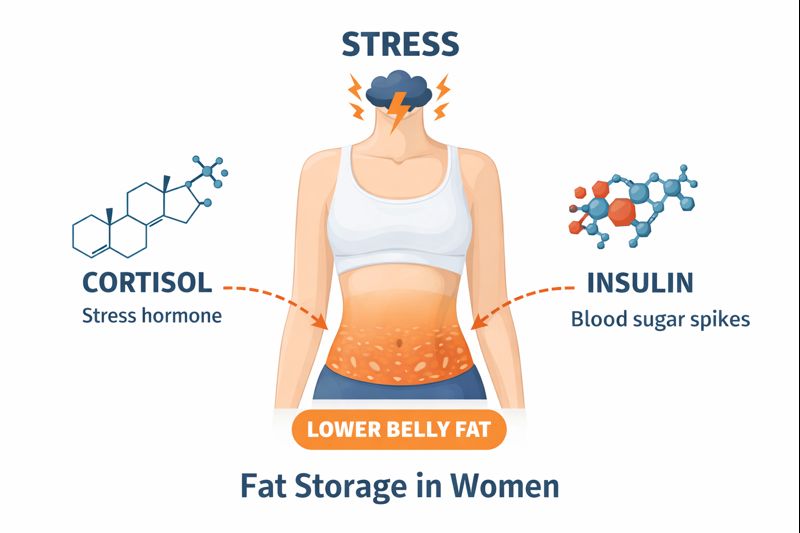
The Journal of Clinical Endocrinology & Metabolism released research that showed how cortisol and insulin sensitivity affect how much fat is stored around the lower belly. No matter how hard you work out, fat loss slows down while these signals stay elevated.
This phenomenon is why many exercises for persistent lower abdominal fat do not work. They work on muscles but do not pay attention to the biochemical cues that tell the body to store fat.
Stress Hormones Are Important
Cortisol is the hormone that causes stress in the body. It goes up when you are stressed, do not sleep enough, do not eat enough, or work out too hard. When cortisol levels are high, the body tells itself to store fat, especially around the lower stomach.
Aggressive ab workouts can potentially elevate cortisol levels even more. This makes it difficult to break the cycle of feeling like workouts are getting harder yet not seeing benefits.
The Cleveland Clinic says that low-stress activity is better for women who want to lose fat than high-intensity workouts.
Insulin and the Storage of Fat
Insulin governs how the body uses or stores glucose. Frequent surges in blood sugar make the body accumulate fat, especially in the stomach area.
A lower stomach workout is better for losing fat when it makes insulin more sensitive instead of wearing out the nervous system. Gentle muscle activity makes it easier for muscles to take in glucose, which lowers the signals that tell the body to store fat.
Harvard Health says that better insulin sensitivity helps keep weight off in the long term, especially for women.
The Myth of Spot Reduction
One of the biggest myths is that working out the lower abs directly burns belly fat. That is not how the body works.
Fat loss happens all over the body, not just in one area. A lower stomach workout helps by:
- Getting the deep core muscles to work
- Reducing the amount of stress hormones released
- Enhancing metabolic communication
When these systems are in sync, the body is more likely to let go of stored fat over time.
Why Training Smart Wins
Calm consistency works better than aggressive intensity to get rid of lower abdominal fat. Hormone balance becomes better on its own when workouts help with healing.
Women frequently get better results from controlled programs than from a lot of hard ab workouts. The body reacts to safety, not punishment.
Things About Your Lifestyle That You Often Forget
Exercise alone does not usually help you lose fat in your lower tummy. Stress, sleep, and digestion all affect how much fat you store.
Cortisol levels go up when you do not sleep well. Stress that lasts a long time slows down metabolism. Hormone signaling is affected by an imbalance in the digestive system. The Lower Stomach Workout works best when these things are supported, not disregarded.
This is why just moving around often does not work.
Gently Supporting the Body
Some women choose to add gentle nutritional support to their lower stomach workout to help them stay consistent and recover faster.
Two alternatives that often go with scheduled routines are:
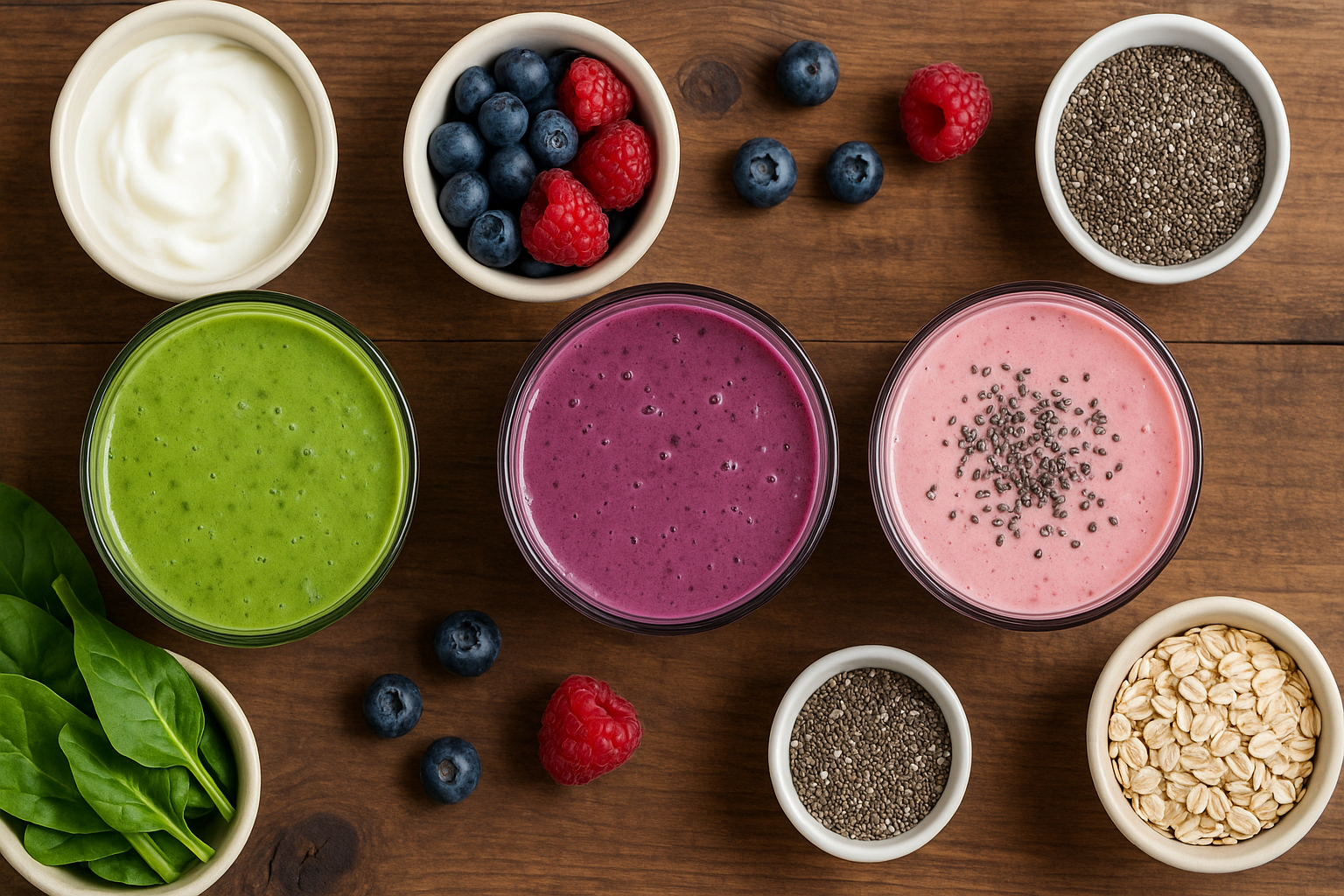
- The Smoothie Diet Programme helps you easily monitor your calories and get the right nutrients.
👉 https://tinyurl.com/mwrezbrp - LeanBiome promotes gut health, a key factor in managing belly fat.
👉 https://tinyurl.com/2wmmpafk
These work best after you have worked out and are less stressed.
Key Point
It is not a lack of willpower that causes lower abdominal obesity. Stress, hormones, and recovery all cause this reaction in the body.
A well-planned lower stomach workout generates the appropriate internal environment for fat reduction by reducing stress signals, improving insulin work, and helping the deep core activate.
Training That Works
Quality Over Intensity
Many women think that working out harder will help them get results faster. This method usually does not work for the lower stomach. High-intensity ab workouts can raise stress hormones and put a lot of strain on the lower back.
A low-impact workout for the lower stomach is all about control, not getting tired. The body remains calm when movements are slow and planned. Calm signals help fat get released.
The Cleveland Clinic says that exercising with less stress helps women lose weight more consistently.
Deep Core Focus
Deep muscles, not just surface abs, support the lower stomach. These muscles keep the pelvis and spine stable.
A good workout for the lower stomach includes:
- Transverse abdominis
- Pelvic floor
- Deep hip stabilisers
These muscles work best when you move them slowly and carefully.
Sports Medicine says that deep core activation is better than standard crunch-based training for improving abdominal tone.
Safe Moves for Beginners
A beginner lower abdominal workout should not hurt. It should feel controlled. If it is difficult to breathe, the intensity is too high.
Some helpful beginner movements include:
- Pelvic tilts
- Heel slides
- Dead bug holds
- Core bracing while standing
These movements strengthen the lower stomach without stressing the joints or increasing cortisol levels.
Why Crunches Do Not Work
Crunches mainly target surface muscles. They usually do not engage the deep core.
For many women, crunches:
- Increase neck tension
- Raise stress sensitivity
- Worsen posture
A lower belly workout without crunches protects the spine and improves long-term consistency.
The American Council on Exercise says that functional core training is more effective than crunches for abdominal stability.
Breathing Changes Results
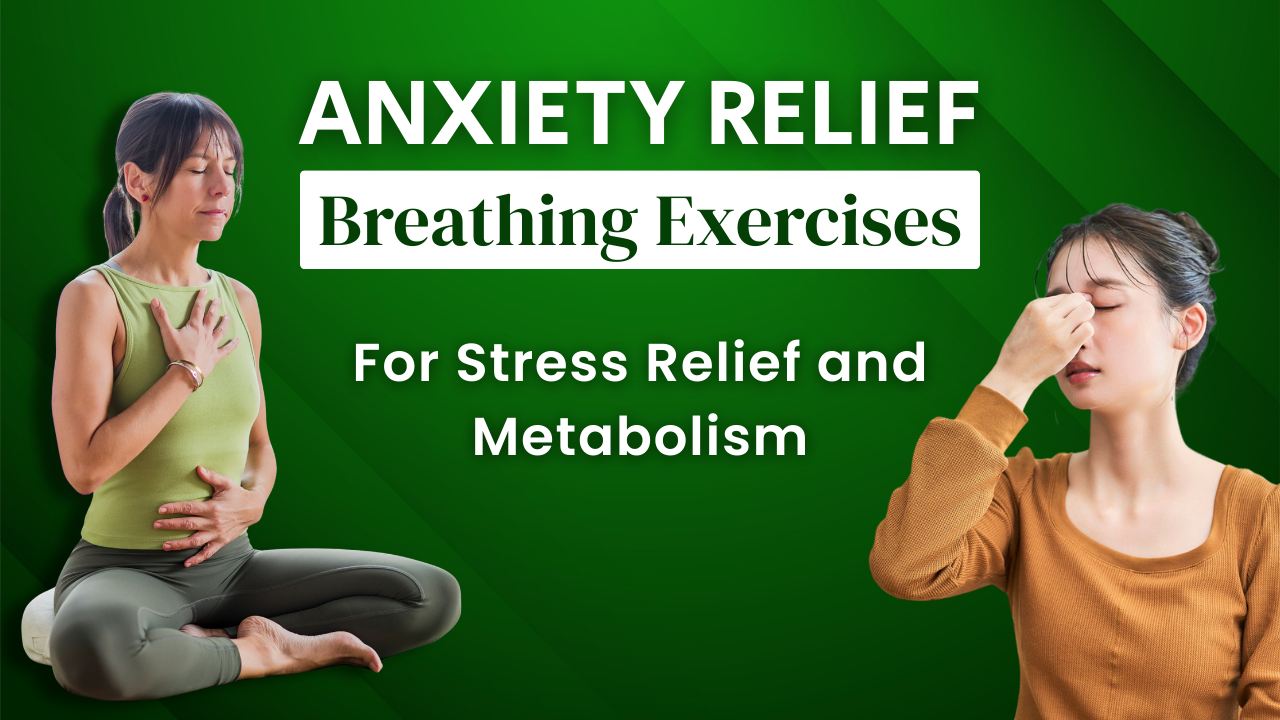
Breathing is often overlooked. It controls both muscle activation and stress response.
Slow nasal breathing during a lower stomach workout:
- Improves core activation
- Lowers cortisol levels
- Helps regulate the nervous system
According to Harvard Health, controlled breathing improves exercise effectiveness and metabolic health.
How Often Matters
Short, regular workouts are better than long, exhausting ones.
A sustainable routine includes:
- Sessions lasting 10 to 20 minutes
- Four to five days per week
- Focus on quality rather than speed
This structure supports a belly fat training routine that avoids burnout.
Daily Movement and Posture
Lower stomach activation continues beyond workouts. Posture plays a key role.
Helpful daily habits include:
- Standing tall
- Light core engagement
- Avoiding long sitting periods
Daily movement enhances the effects of a lower stomach workout.
Nutrition Completes the Signal
Exercise sends the signal. Food creates the response.
Fat loss slows when meal quality is poor or calories are inconsistent. This is why combining structured nutrition with training works better.
Some women choose additional support while following their lower stomach workout, such as:
- Ikaria Lean Belly Juice helps support metabolic balance naturally.
👉 https://tinyurl.com/5c55czae
This works best when workouts are consistent and stress is managed.
Training Is Recovery
Muscle growth and fat loss happen during recovery, not exercise.
Signs of good recovery include:
- Better sleep
- Less soreness
- Higher energy
Overtraining increases cortisol and slows fat loss. Balance is restored through proper recovery.
The Journal of Strength and Conditioning Research supports the role of recovery in effective fat loss.
Your Mindset Matters
Pressure does not work on lower abdominal fat. Patience does.
A calm approach:
- Improves consistency
- Reduces stress eating
- Builds trust with the body
This mindset supports long-term results.
Main Point
The best lower stomach workout is steady, low-stress, and controlled. Deep muscle activation, breathing, and recovery outperform aggressive routines.
When training works with the body, fat loss becomes more predictable and sustainable.
How to Make Results Last
Why Results Do Not Last
Many women do well with the Lower Stomach Workout at first and experience results right away. Then results slow down or do not appear at all. This does not mean the workout stopped working. It usually means that recovery, stress, or daily habits are interfering.
What you do between workouts matters most for fat loss. The body decides whether to release fat or store it based on hormones, sleep, and daily stress.
The Cleveland Clinic says that for long-term fat loss, metabolism must be stable, not constantly elevated.
Women: 40 and Older
After age 40, the body changes in noticeable ways. Muscle mass slowly decreases. Recovery takes longer. Hormonal shifts become more apparent.
Women over 40 who want to work on their lower stomach must consider these changes. Pushing harder often leads to fatigue and inflammation instead of fat loss.
The American Journal of Clinical Nutrition states that preserving muscle is essential for maintaining metabolic rate during midlife.
Protecting Muscle
Muscle burns energy even at rest. Fat loss slows when muscle is lost.
A supportive lower stomach workout protects muscle by:
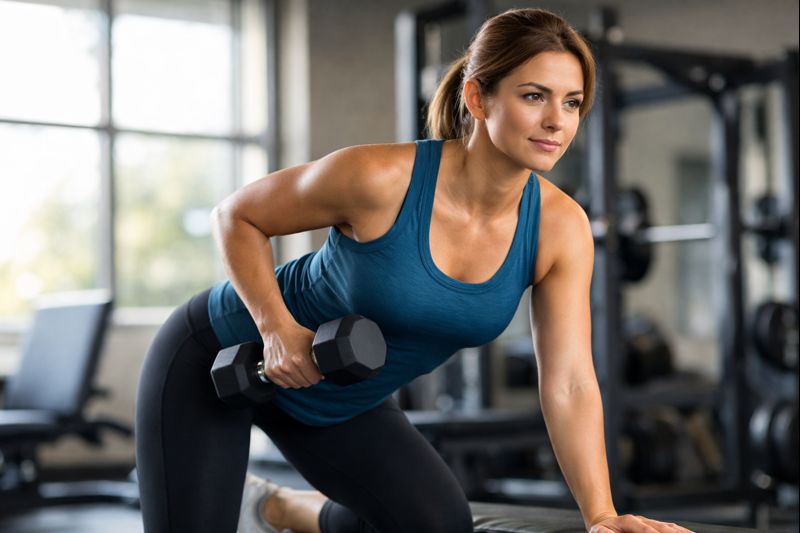
- Using controlled resistance
- Avoiding exhaustion
- Allowing recovery days
This approach supports metabolism and long-term results.

Stress and Staying Fat
Cortisol rises during chronic stress. High cortisol encourages fat storage in the lower belly.
Signs that stress is interfering with results include:
- Poor sleep
- Sugar cravings
- Constant fatigue
Low-stress workouts reduce cortisol instead of increasing it. This supports fat release.
Harvard Health states that managing stress is essential for reducing belly fat.
You Cannot Skip Sleep
Poor sleep disrupts hormones that control hunger and insulin sensitivity. Even one poor night can increase fat storage.
Women sleeping fewer than six hours often struggle to lose abdominal fat, even with regular exercise.
A lower stomach workout works best when paired with:
- Consistent sleep schedules
- Evening wind-down routines
- Reduced screen exposure at night
More sleep often produces better fat loss than more exercise.
Daily Movement Counts
Exercise is only one part of energy use. Daily movement matters just as much.
Helpful habits include:
- Short walks
- Standing breaks
- Gentle stretching
These actions improve blood flow, insulin sensitivity, and stress regulation. They also reduce stiffness.
Daily movement enhances the results of a lower tummy workout at home.
Timing of Meals
When and how you eat affects fat storage.
Skipping meals or eating too little raises stress hormones. Very low calorie intake can slow metabolism.
Balanced meals with protein and fibre help stabilise blood sugar. Stable blood sugar supports fat loss.
The Journal of Nutrition reports that steady blood sugar improves fat-burning efficiency.
Digestive Health
Hormones that regulate hunger and fat storage communicate directly with the gut.
Poor digestion can:
- Increase inflammation
- Slow metabolism
- Worsen bloating
Supporting digestion allows the body to respond better to exercise.
This is why gut-friendly habits improve lower stomach workout results.
Fat Metabolism and the Liver
The liver plays a key role in fat metabolism. It converts stored fat into usable energy.
Stress, poor sleep, and inflammation can overload the liver and slow fat loss.
After consistent habits are established, some women choose gentle metabolic support options, such as:
- HepatoBurn supports liver metabolism.
👉 https://tinyurl.com/3b8h2vkz
This is not a shortcut. It works best with regular movement and balanced nutrition.
Consistency Over Perfection
Missing a workout does not erase progress. Burnout often happens when expectations are too strict.
A lasting abdominal fat routine focuses on:
- Progress, not perfection
- Long-term habits
- Listening to the body
Consistency builds trust between the body and the routine.
Tracking Progress Smartly
The scale does not always reflect fat loss. Lower belly fat often reduces before weight changes.
Better indicators include:
- Waist measurements
- Clothing fit
- Energy levels
These signals reflect real changes.
Mindset Shift
Lower belly fat exists to protect the body. Fighting it increases resistance.
A calmer approach:
- Reduces stress
- Improves consistency
- Encourages patience
This mindset supports lasting results.
Important Point
Balance is the key to long-term success with a lower stomach workout. Exercise matters, but so do sleep, stress management, digestion, and recovery.
When the body feels safe and supported, it becomes more willing to release stubborn fat.
Final Thoughts
Not being able to lose abdominal fat is not a sign of failure or lack of discipline. Hormones, stress, sleep, and recovery all play a role in this physiological reaction. A well-planned lower stomach workout takes into account how the female body works instead of pushing it to its limits. Moving slowly and steadily sends better signals for fat release than simply moving quickly.
Be patient and stick with this lower stomach workout plan if you want to see long-term results. Low-stress movement, adequate rest, and healthy daily routines all support the body. Over time, hunger, bloating, and stubborn fat begin to fade naturally. We encourage you to save this routine, share your experience, or begin today with a calmer and smarter schedule.
Questions That Are Often Asked (FAQs)
Why is it harder to lose fat in the lower tummy than in other areas?
Hormones such as cortisol and insulin strongly influence lower abdominal fat. Stress, lack of sleep, and intense workouts can signal the body to store fat in this area for protection.
Do lower stomach workouts really work?
Yes, when done correctly. A lower stomach workout that focuses on deep core activation, breathing, and recovery is more effective for fat loss than high-intensity ab workouts.
Can I lose lower tummy fat without doing crunches?
Yes. Many women experience better results with a lower belly workout without crunches, which avoids spinal pressure and reduces stress hormone response.
How often should I train my lower stomach?
Most women respond best to 10 to 20 minutes, four to five times per week. Consistency matters more than duration or intensity.
Do supplements work better when combined with exercise?
Supplements work best when sleep, movement, and nutrition are already in place. They should support a lower stomach workout, not replace it.
Health Disclaimer
This content is for educational purposes only and is not intended as medical advice. Always consult a qualified healthcare professional before starting any new exercise, diet, or supplement program, especially if you have medical conditions or take medications.