High Fiber Foods for Digestion That Boost Weight Loss Supplements
A lot of women eat carefully, pick “healthy” meals, and even try supplements, but they still feel bloated, lethargic, or stuck with stubborn weight. This can be hard to understand and make you angry, especially when you are already working hard. A lot of the time, the problem is not calories or motivation. It is the process of digestion. When digestion is not working right, the body has a hard time feeling full, keeping blood sugar levels stable, and getting rid of stored fat.
This is why high fiber foods for digestion are so good for women’s health. Fibre helps keep the gut in balance, slows down digestion in a healthy way, and makes the body feel comfortable and full. When digestion gets better, it is easier to deal with hunger, energy improves, and losing weight starts to feel more natural instead of forced.
Why Digestion Is Important
The Root Problem That People Do Not See
A lot of women care about what they consume but not how their bodies break it down. The first step to any health objective is digestion. If digestion is not working well, even healthy meals will not provide all their benefits.
Common indicators include:
- Feeling bloated after meals
- Irregular bowel movements
- Snacking all the time
- Poor energy in the afternoon
Harvard Health Publishing states that digestive efficiency affects how hormones like insulin and ghrelin behave. When digestion is delayed or irritated, hunger signals remain high. This can cause cravings even when calorie intake is adequate. This is one reason dieting can feel like a never-ending struggle.
Digestion and Storing Weight
The body is designed to keep itself safe. When digestion is stressful or incomplete, the body shifts into conservation mode. Instead of burning energy, it stores it. Fat loss slows down. This response is biological, not the result of poor discipline.
Eating foods high in fibre can help interrupt this cycle. Fibre slows the movement of food in a soothing way. This allows nutrients to be absorbed properly and sends strong fullness signals to the brain. As a result, appetite becomes calmer and easier to predict.
Reference from Science:
Slavin JL, Dietary Fibre and Body Weight, Nutrition, National Institutes of Health.
The Link Between the Gut and the Brain
The gut and brain are constantly connected through nerves and hormones. This system regulates hunger, mood, and stress. When digestion is not working properly, the brain receives mixed signals. You may feel hungry shortly after eating or crave foods that provide quick energy.
Fibre supports this gut–brain connection. Soluble fibre turns into a gel-like substance during digestion. This slows stomach emptying and keeps blood sugar levels stable. Insoluble fibre supports regular bowel movements, reducing pressure and discomfort in the gut. Together, they help keep digestion calm and balanced.
Why Women Are More Affected
Women are more likely to experience digestive changes due to hormonal fluctuations. Oestrogen and progesterone influence how the intestines move. After age 30, stress, lack of sleep, and aging further affect digestion. This makes digestive guidance especially important for women.
Studies published in The American Journal of Clinical Nutrition show that women who consume more fibre experience better appetite control and improved metabolic markers. Fibre does not force weight loss. It supports the body so weight loss can occur naturally.

Fibre and Stable Blood Sugar
One major benefit of fibre is its ability to stabilize blood sugar. Rapid blood sugar spikes and crashes cause fatigue and cravings. Fibre slows carbohydrate absorption, helping maintain steady energy levels.
This stability reduces unnecessary snacking and allows the body to use stored fat between meals. Balanced meals eaten consistently offer the best results for appetite control using fibre.
Before You Cut Back on Food
When progress slows, many women try to eat less. This often makes the problem worse. Undereating raises stress hormones like cortisol, which further slows digestion. This leads to a cycle of restriction, cravings, and frustration.
Improving digestion is the first step in breaking this pattern. When meals include enough fibre, the body feels nourished rather than deprived. Hunger quiets. Portions naturally regulate.
Signs That Your Digestion Is Getting Better
As digestion improves, changes occur gradually:
- Less bloating after meals
- More regular bowel movements
- Steadier energy levels
- Fewer cravings
- Better response to healthy habits
These signs indicate that the gut is becoming more efficient and responsive.
A Base for Everything Else
Digestive efficiency affects how well the body absorbs vitamins, minerals, and nutrients. This is why digestion must be improved before trying new strategies. Foods high in fibre that are good for digestion create the internal environment needed for long-term health and weight management.
Fibre does not push the body harder. It works with it. It sends signals of safety and balance. Over time, this improves metabolic flexibility and overall health.
Foods That Are High in Fibre and Good for Digestion
Choosing Fibre That Feels Soft
Different types of fibre work in different ways in the body. A lot of women think that fibre always makes them feel bloated, but that is usually only true when they eat the wrong kind too rapidly. The idea is to pick high-fibre foods that are easier on the stomach and make you feel peaceful and supported rather than harsh or irritated.
There are two main forms of fibre: soluble and insoluble. Both are vital, but they affect how digestion works in different ways. When soluble fibre absorbs water, it turns into a soft gel in the gut. This slows digestion and helps you feel full. Insoluble fibre makes food heavier and helps it travel through the digestive system more easily. Together, high fiber foods for digestion support smoother digestion, better fullness, and regular bowel movements.
When these fibres are present in the right amounts, digestion improves without pain.
Foods With Soluble Fibre
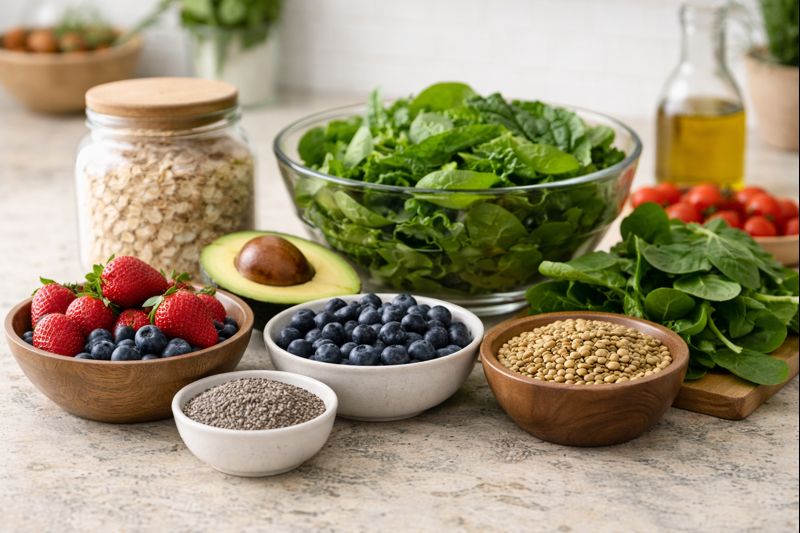
Women who experience bloating, cravings, or fluctuating energy should consume more soluble fibre. It slows the release of sugar into the bloodstream and supports beneficial bacteria in the gut.
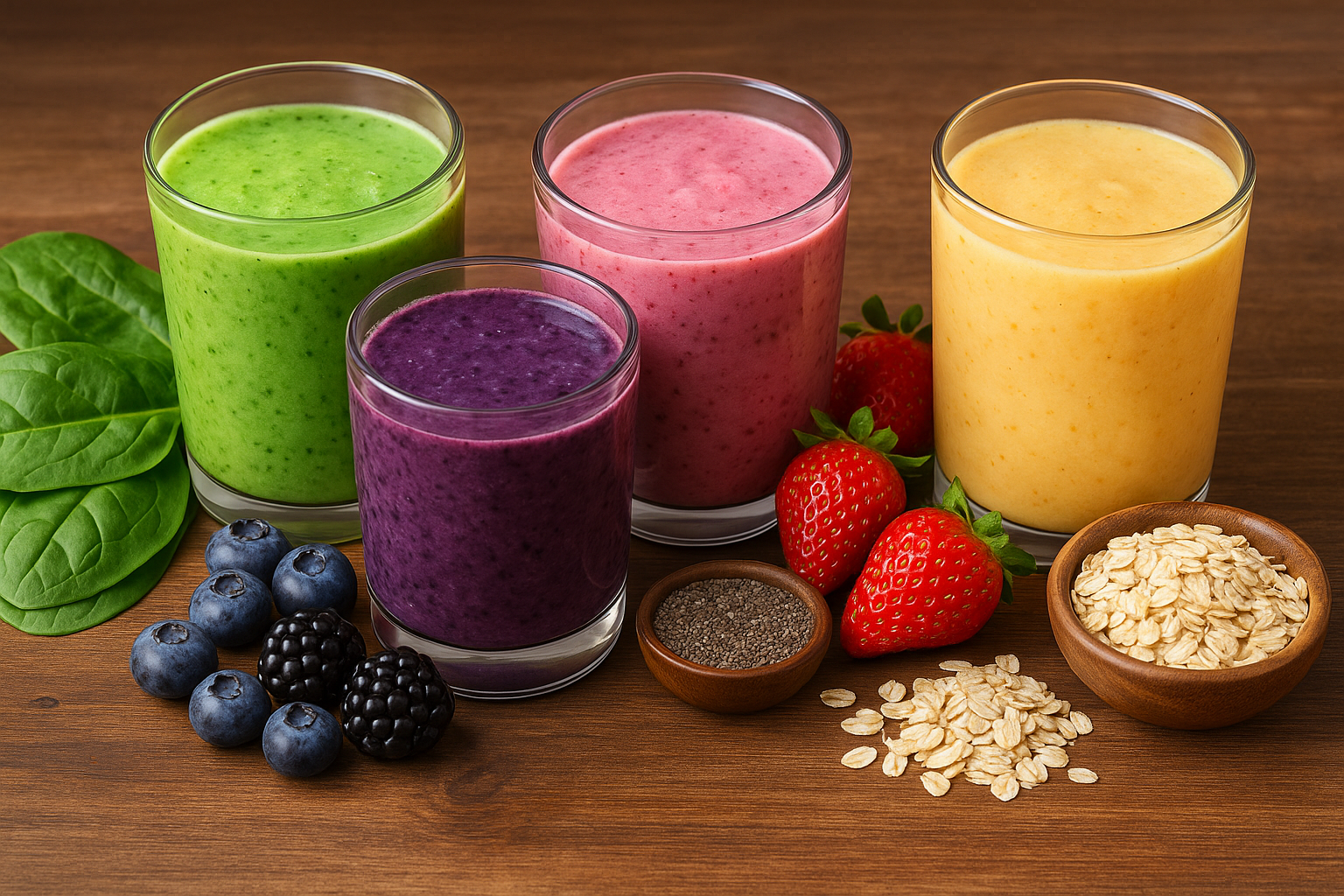
Some of the best foods with soluble fibre for digestion include:
- Oats
- Chia seeds
- Flax seeds
- Berries
- Apples
- Lentils
These foods help the digestive system function more smoothly. They also support fibre for hunger control and make it easier to stop eating when the body has had enough.
Research published in The American Journal of Clinical Nutrition shows that diets enriched with soluble fibre are associated with improved insulin sensitivity and reduced hunger between meals.
Foods With Insoluble Fibre
Insoluble fibre supports regular bowel movements and helps clean the colon. It helps food pass through the intestines more efficiently, which reduces pressure and discomfort.
Foods that are high in fibre and good for digestion that contain insoluble fibre include:
- Leafy greens
- Broccoli
- Cauliflower
- Whole grains
- Nuts and seeds
Women with sensitive digestion should introduce these foods slowly and drink enough water alongside them. When balanced correctly, they support relief from constipation and overall gut health.
Women Can Handle Foods High in Fibre
Some foods that are high in fibre are easier to digest than others. The following options are generally well tolerated and work well for daily meals:
| Food | Fibre Benefit | Why It Works |
| Oats | Soluble | Helps digestion |
| Blueberries | Soluble | Feeds beneficial bacteria |
| Lentils | Mixed | Keeps you full longer |
| Spinach | Insoluble | Gentle gut support |
| Chia seeds | Soluble | Naturally slows digestion |
These foods are good for women’s guts and support digestion without putting excessive strain on the body.
The Importance of Whole Foods
Fibre supplements exist, but whole foods offer additional benefits. Foods high in fibre also provide vitamins, minerals, antioxidants, and plant compounds that support gut lining health.
Whole foods help maintain microbial diversity in the gut. A diverse gut microbiome is linked to improved digestion, stronger immunity, and better weight management.
Scientific Reference:
Anderson JW et al., Health Benefits of Dietary Fibre, Nutrition Reviews.
How Much Fibre Do You Need?
Most women do not consume enough fibre. In the United States, the average intake is about 15 grams per day. Health organizations recommend that adult women consume around 25 grams per day.
The key is to increase intake slowly. Moving from low to high fibre too quickly can cause gas and bloating. Adding 3 to 5 grams every few days allows the gut time to adjust.
Timing Fibre to Help Your Digestion
Fibre works best when spread throughout the day. Adding fibre to breakfast helps control hunger for the rest of the day. Fibre at lunch supports steady energy and reduces afternoon cravings. Dinner fibre should be moderate to avoid discomfort at night. This daily balance makes high fiber foods for digestion more effective and comfortable for the body.
Pairing fibre with protein and healthy fats further improves digestion. This combination naturally slows digestion and supports stable blood sugar levels.
Water Is Important
For fibre to work properly, it needs water. Without enough fluid, fibre can worsen constipation. Drinking water consistently throughout the day helps fibre move smoothly through the digestive system.
A simple guideline is to drink a glass of water with each fibre-rich meal.
Listening to Your Digestive Signals
The body provides feedback when fibre intake increases. Mild fullness is normal. Sharp bloating or pain usually means the increase was too fast.
Signs that fibre is working well include:
- Feeling full longer after meals
- Fewer cravings
- More regular bowel movements
- Reduced bloating over time
These changes indicate improved digestion and healthier gut function.
Fibre as a Daily Thing
The effectiveness of high-fibre foods for digestion depends on consistency rather than perfection. Eating high-fibre foods most days supports long-term digestive health. Over time, the gut becomes more efficient, calmer, and better able to support overall health goals.
Fibre does not restrict the body. It nourishes it. It reduces stress signals and increases support, creating the foundation for everything that follows.
How Fibre Makes Supplements Work Better
Why Supplements Do Not Always Work
A lot of women take natural weight reduction tablets with great aspirations, but after weeks of using them, they feel let down. The supplement might be good; however, the benefits do not seem strong or consistent. Most of the time, the problem is not the supplement itself. The problem is digestion.
For supplements to work, they need to be absorbed by the digestive system. When digestion is slow, inflammatory, or out of balance, nutrients have a hard time getting past the stomach lining and into circulation. This is why it is important to fix digestion first. High fiber foods for digestion help the intestines get ready for supplements to work.
Fibre Helps the Body Absorb Nutrients Better
Fibre strengthens the lining of the gut and helps good gut bacteria grow. These bacteria help digest food and make it easier for the body to absorb nutrients. When the gut is balanced, vitamins, minerals, and plant chemicals are absorbed more efficiently.
A study published in the journal Nutrients found that diets high in fibre improve gut health and increase microbial diversity. Both are associated with better nutrient absorption. This has a direct effect on how the body responds to natural weight loss pills.
Reference from Science:
Makki K et al., The Effect of Dietary Fibre on Gut Microbiota, Nutrients.

Balance in the Gut Before Losing Weight
The digestive system will not lose fat if it is irritated. When the gut is upset, the body releases stress hormones that slow metabolism. Fibre reduces this stress by keeping digestion and blood sugar steady.
This is why many gut-focused programmes prioritise fibre intake. For example, microbiome-supporting formulations such as Lean Biome
👉 https://tinyurl.com/2wmmpafk
work best when fibre intake is adequate. Fibre feeds beneficial bacteria, allowing gut-support supplements to strengthen their effects rather than struggle against poor digestion.
Supplements for Fibre and Appetite Control
Many weight loss products attempt to suppress appetite or cravings. Without fibre, appetite hormones fluctuate widely. Hunger returns quickly after eating, and supplements may seem ineffective.
Fibre naturally helps control appetite by slowing digestion and increasing fullness. Fibre intake becomes easier and more consistent when using structured meal approaches such as the Smoothie Diet programme
👉 https://tinyurl.com/mwrezbrp
Smoothies allow many women to consume fibre, water, and nutrients in a form that is easier to digest. This combination supports fibre for appetite control and helps maintain steady energy throughout the day.
It Is Important to Keep Your Blood Sugar Stable
Blood sugar spikes are one of the biggest barriers to fat loss. Rapid rises in blood sugar trigger insulin release, which promotes fat storage. Fibre slows carbohydrate absorption and reduces these spikes.
When blood sugar remains stable, metabolism-support supplements perform more effectively. Products such as Ikaria Lean Belly Juice
👉 https://tinyurl.com/5c55czae
rely on this stability to support proper metabolic signalling. Fibre creates the internal conditions needed for these formulations to function as intended.
Helping the Liver via Digestion
The liver plays a key role in fat metabolism and toxin removal. Poor digestion allows waste products to recirculate, increasing liver workload. Fibre binds waste and supports elimination, reducing stress on the liver.
When digestion is functioning properly, liver-focused supplements such as Hepato Burn
👉 https://tinyurl.com/3b8h2vkz
can work more efficiently. Fibre indirectly supports liver health by keeping digestion regular and smooth.
Scientific Reference:
Anderson JW, Dietary Fibre and Liver Health, Nutrition Reviews.
When to Take Fibre and Supplements
Timing matters. Fibre works best when eaten with meals, while many supplements are taken before or after eating. Consuming fibre-rich foods with meals and taking supplements as directed helps digestion remain calm and predictable.
Unless advised by a healthcare provider, avoid taking large amounts of fibre immediately before supplements. Excessive fibre at once may slow absorption. Balance and spacing are important.
Things You Should Not Do
When combining fibre and supplements, women commonly make these mistakes:
- Adding too much fibre too quickly
- Not drinking enough water
- Taking supplements on an empty, irritated stomach
- Expecting immediate results
Correcting these habits allows high-fibre foods to support supplement effectiveness naturally.
A Daily Pattern That Helps
A gentle daily rhythm works best:
- Breakfast with high fibre
- Lunch with protein and fibre
- Dinner with moderate fibre
- Regular hydration
This pattern supports digestion, gut health, and steady energy, allowing supplements to support the body rather than work against it.
Why Fibre Is Important
Fibre is not a quick fix. It is a foundation. As digestion improves, hunger stabilises, energy increases, and the body becomes more responsive. Supplements then support progress rather than compensate for imbalance.
This is why food comes first for long-term success. Foods high in fibre support digestion and create the calm internal environment needed for sustainable weight loss.
Final Thoughts
Sustainable weight loss does not commence with limitations or severe regimens. It starts with digestion. When the gut is healthy, the body can better control hunger, energy, and fat storage. This is why meals high in fibre that help with digestion are so important for women’s long-term health.
Adding foods high in fibre on a regular basis makes digestion easier, cravings decrease, and meals feel more satisfying. Over time, high fiber foods for digestion help the body adapt to healthy habits without stress or deprivation. Start slowly, be patient, and let your body find balance on its own time.
Questions and Answers
How much fibre do women need to eat every day to help with digestion?
Most women need 25 grammes of fibre every day. Adding more fibre slowly helps the digestive system adjust comfortably.
Do foods high in fibre really help with bloating?
Yes. Slowly adding the correct kinds of fibre, especially soluble fibre, along with adequate water intake, can help reduce bloating.
Do foods high in fibre help you lose weight naturally?
Fibre helps manage hunger, stabilise blood sugar levels, and increase fullness, all of which support steady and sustainable weight loss.
Should you eat fibre with your meals or on its own?
Fibre works best when eaten with meals because it slows digestion and helps maintain fullness throughout the day.
What are the best high-fibre foods for people with sensitive stomachs?
Most women can tolerate oats, berries, chia seeds, lentils, and leafy greens without difficulty.
Disclaimer
This article is for educational purposes only and is not intended as medical advice. Always consult a qualified healthcare professional before making changes to your diet, supplements, or health routine.