Low Carb High Protein Recipes That Boost Fat Loss
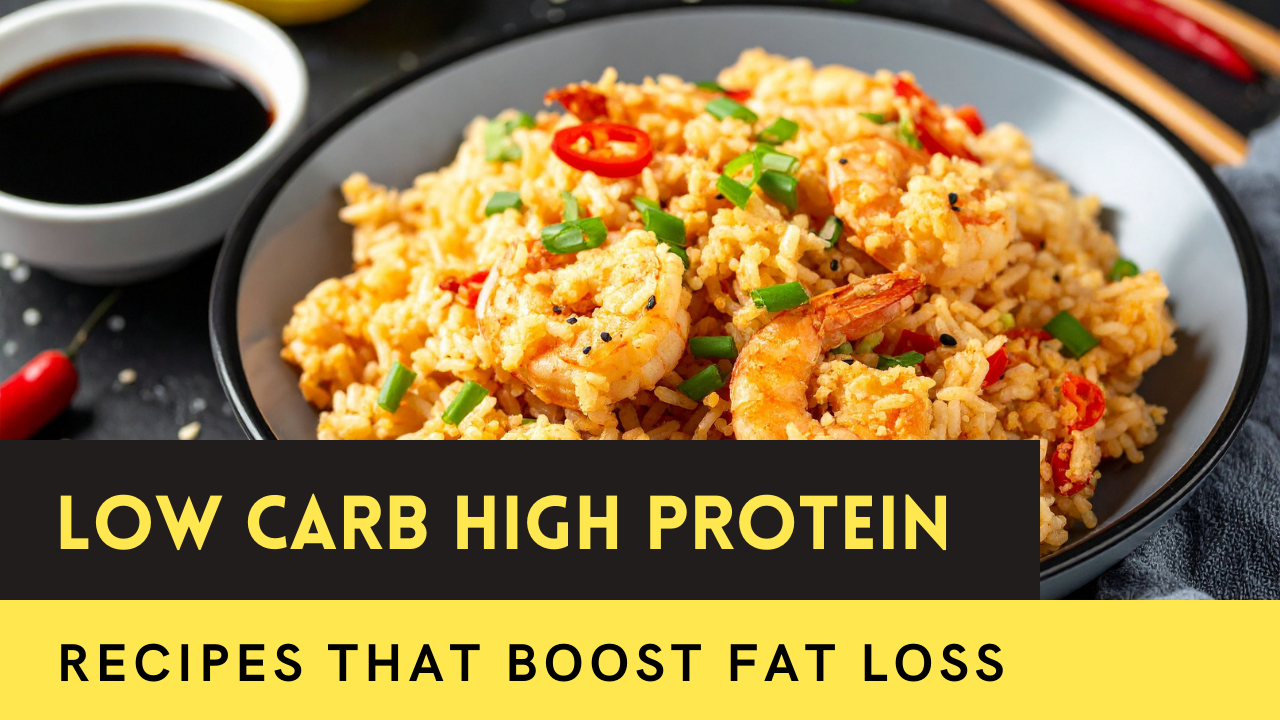
Most women who want to lose weight do not fail because they eat too much. They are having a hard time because the food they eat is not providing the appropriate signals to their bodies. Even plates that look healthy might make you hungry, weary, and angry an hour later. That is where low carb high protein recipes make a big difference.
When meals have the proper amount of protein and carbs, the body feels safe, full, and steady. Blood sugar levels become stable. Cravings stop. Energy lasts longer. This way of eating through low carb high protein recipes helps women lose weight without putting their hormones into stress mode or slowing down their metabolism.
How It Works
Biology of Women
Food affects women’s bodies in various ways that differ from how it affects men’s. Insulin, cortisol, and oestrogen are hormones that have a big effect on how fat is stored. When you eat too many refined carbs and not enough protein, insulin levels rise quickly. This tells the body to store fat instead of burning it.
Women who eat low-carb, high-protein meals can lower their insulin surges. Protein supports lean muscle and slows digestion. Muscle is crucial because it keeps your metabolism active, even when you are not moving. This is why many women feel better, fuller, and more stable when protein is the main part of their meals.
The American Journal of Clinical Nutrition states that diets high in protein increase fullness and help preserve muscle during weight loss. Preserving muscle is essential for long-term fat loss, especially after age 35.
Controlling Cravings
Cravings do not mean a lack of willpower. Most of the time, they are a physiological response to unstable blood sugar. When blood sugar drops quickly, hunger hormones increase. This is when snack and sugar cravings begin.
Protein-rich meals that help control cravings work because they keep blood sugar levels steady. They prevent spikes and crashes that trigger hunger. When protein is eaten with fewer carbs, the body releases energy slowly instead of in bursts.
Harvard Health Publishing explains that protein increases the release of the hormone peptide YY, which is linked to fullness. This helps women eat less without counting calories or feeling deprived.
Balance of Blood Sugar
Many women eat “healthy” meals that are still high in carbs. Granola, oatmeal, toast, and fruit smoothies may look healthy, but they often do not contain enough protein. These meals can raise blood sugar quickly and cause hunger to return soon after.
Low-carb meals to control blood sugar stop this cycle and create stability. Fewer carbs mean fewer glucose spikes. More protein slows digestion. Together, they provide calm energy and fewer hunger signals throughout the day.
Balanced blood sugar also supports mood, focus, and sleep. All three are linked to healthier weight management. The National Institutes of Health states that stable blood sugar is critical for appetite control and metabolic health.
Help with Metabolism
Many women fear that eating low carb may slow their metabolism. The real problem is not low carbs but low protein. When the body does not receive enough protein, it breaks down muscle tissue. Less muscle means fewer calories burned each day.
Low-carb, high-protein diets protect muscle while encouraging the body to use fat as fuel. Protein requires more energy to digest than carbs or fats. This means the body burns more calories processing protein.
According to research published in Nutrition & Metabolism, higher protein intake can increase metabolic rate by 15–30% compared to carbohydrates. This makes protein a powerful tool for women with slow or stubborn metabolism.
Women Who Are Over 40
Hormonal changes that occur with age affect how women process food. A decline in oestrogen reduces insulin sensitivity. Muscle mass naturally decreases without enough protein. This is why weight loss often becomes more difficult after age 40.
Low-carb, high-protein diets for women over 40 help maintain muscle and reduce fat storage signals. Protein becomes even more important at this stage. It supports strength, bone health, and metabolic speed.
The Mayo Clinic states that adequate protein intake is essential for older women to prevent muscle loss and maintain overall health.
Structure of a Simple Meal
Low carb does not mean no carbs. It means choosing the right ones. Vegetables, fruits, and fibre-rich foods provide nutrition without spiking blood sugar. Protein remains the priority.
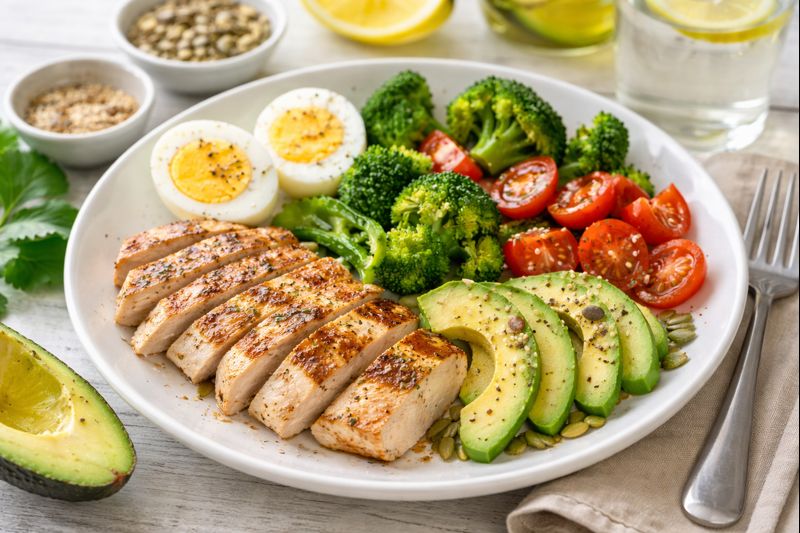
A balanced plate usually includes:
- A good source of protein
- Non-starchy vegetables
- Healthy fats
- Very few refined carbs
This structure makes low-carb, high-protein meals simple, sustainable, and enjoyable.
Why Diets Do Not Work
Extreme dieting increases stress hormone levels. Stress signals the body to store fat. This is why many women lose weight briefly and then regain it.
Low-carb, high-protein diets for weight loss work differently. They help the body manage stress. Instead of fighting hormones, they support them. This creates a calm, steady fat-loss process.
The goal is not restriction. The goal is to work with your biology.
Important Point
When meals focus on protein and reduce excess carbs, the body responds with better hunger control, increased energy, and stronger metabolic signals. This approach works especially well for women who feel tired, stuck, or frustrated with traditional dieting.
Simple Weight Loss
Easy Food
Women often give up on healthy eating regimens because they are too hard. Online recipes look great, but they feel exhausting in real life. To lose weight in a healthy way, meals need to be easy to prepare, adaptable, and filling.
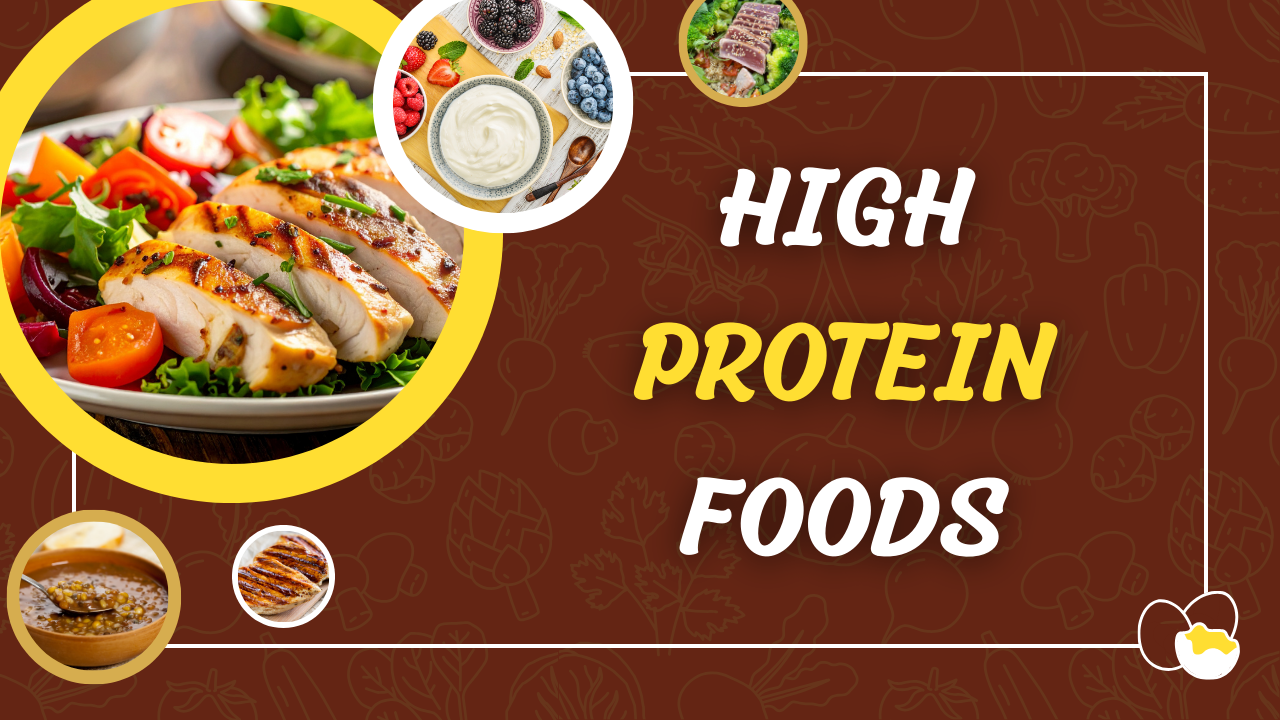
There is one simple rule for easy low carb high protein recipes: protein comes first. A good source of protein is the first thing you eat at every meal. Once protein is set, everything else becomes easier. Hunger decreases. Portions feel right. Energy stays steady.
This method removes the stress of tracking calories. It allows your body to regulate appetite instead of fighting it.
First, Protein
Protein is not only for athletes. Protein protects women’s muscles, stabilises blood sugar, and supports hormones that help with fat loss.
When eating low-carb, high-protein foods to lose weight, it is best to spread protein intake throughout the day. Skipping protein at breakfast or lunch often leads to overeating later. Starting the day with protein creates metabolic stability that lasts.
Research published in The Journal of Nutrition shows that women who consume protein evenly throughout the day are better able to preserve muscle and control appetite.
Smart Carbs
Not all carbs are bad. The body still needs carbs to support digestion, gut health, and hormone balance. The key is choosing carbs that work with your metabolism.
To manage blood sugar, low-carb meals should be based on:
- Leafy greens
- Cruciferous vegetables
- Zucchini, cucumber, and peppers
- Small portions of berries
These foods provide fibre and minerals without raising insulin levels. They keep meals satisfying without triggering cravings.
Balance of Fat
Healthy fats support hormone production and satiety. They also slow digestion, which helps stabilise blood sugar.
Adding olive oil, avocado, nuts, or seeds to low-carb, high-protein meals for women improves flavour and fullness. When protein intake is adequate and carbs are reduced, fat does not cause weight gain.
Harvard Health Publishing states that dietary fat improves satiety and helps regulate appetite-related hormones when eaten in balanced meals.

When to Eat
When you eat is almost as important as what you eat. Long gaps without protein can raise cortisol, a stress hormone linked to fat storage.
The best way to eat high-protein meals for a slow metabolism is to space them every 3–4 hours. This keeps blood sugar stable and reduces stress signals that encourage fat storage.
Women who eat consistently often report fewer cravings and better energy throughout the day.
Breakfast Reset
Many women eat mostly carbs in the morning, such as toast, cereal, or fruit. These meals raise blood sugar quickly and often lead to hunger by mid-morning.
Low-carb, high-protein breakfasts change this pattern. Eggs, Greek yoghurt, tofu, or protein smoothies help stabilise appetite and mental focus.
The Mayo Clinic states that protein-rich breakfasts increase fullness and help reduce total daily calorie intake.
Stability of Lunch
Lunch is often rushed. This is where protein is commonly skipped. Salads without enough protein can increase afternoon hunger.
Adding chicken, fish, lentils, or eggs turns lunch into a metabolic anchor. Meals with high protein help prevent cravings, energy crashes, and mindless snacking later in the day.
This is especially important for women working long hours or under high stress.
Dinner Peace
Dinner should calm the body, not overstimulate it. High-carb meals late at night can disrupt sleep and blood sugar levels.
Low-carb, high-protein dishes for women over 40 often include fewer carbs and steady protein at dinner. This supports better sleep and overnight fat metabolism.
The National Institutes of Health links blood sugar control, sleep quality, and healthy weight regulation.
Protecting Muscles
Fat loss should never come at the cost of muscle. Muscle keeps metabolism active and shapes the body.
Meals high in protein for slow metabolism help protect lean tissue while supporting fat loss. This is especially important during weight loss, when muscle loss risk is higher.
Preserving muscle helps prevent the “skinny-fat” appearance and improves long-term results.
Flexibility in Real Life
You do not need perfection. Consistency drives progress.
The best quick low-carb, high-protein dishes are meals you enjoy and can repeat. Rotating proteins, vegetables, and healthy fats keeps meals interesting without overthinking.
Flexibility makes this approach sustainable.
The Main Point
Weight loss becomes easier when meals are simple, protein-focused, and blood-sugar friendly. Low-carb, high-protein dishes support fat loss, improve metabolism, reduce cravings, and fit real life—especially for women tired of strict diets.
Support for Supplements
Why Food Is Important
Many women use supplements in the hope of losing weight more quickly. However, supplements alone usually do not work as planned. The reason is simple: supplements amplify what food is already doing. If meals are not balanced, supplements have very little to support.
Meals that help natural weight loss supplements work create the right biological conditions for those supplements to function. Low carb high protein recipes stabilise blood sugar through adequate protein intake. Fewer carbs mean fewer insulin spikes. Together, low carb high protein recipes help the body shift from storing fat to burning it.
Research from the National Institutes of Health shows that diet quality strongly affects how the body responds to supplements.
Absorption and Protein
The body relies on protein to absorb and use nutrients effectively. When protein intake is too low, the body struggles to transport and utilise active compounds found in supplements.
Women who eat low-carb, high-protein meals absorb nutrients more efficiently because protein supports liver function, muscle tissue, and enzyme activity. This allows supplements to perform their intended role instead of being wasted.
Protein also reduces inflammation, which improves cellular response to metabolic support compounds.
Synergy of Blood Sugar
Unstable blood sugar blocks fat-loss signals. As long as insulin levels remain high, the body resists releasing stored fat.
Low-carb diets help manage blood sugar and improve how supplements interact with metabolism. When blood sugar is stable, fat-burning pathways function more effectively.
Harvard Health Publishing explains that insulin resistance makes weight loss difficult even when calories are controlled. Nutrition must address this first.
Support for the Liver
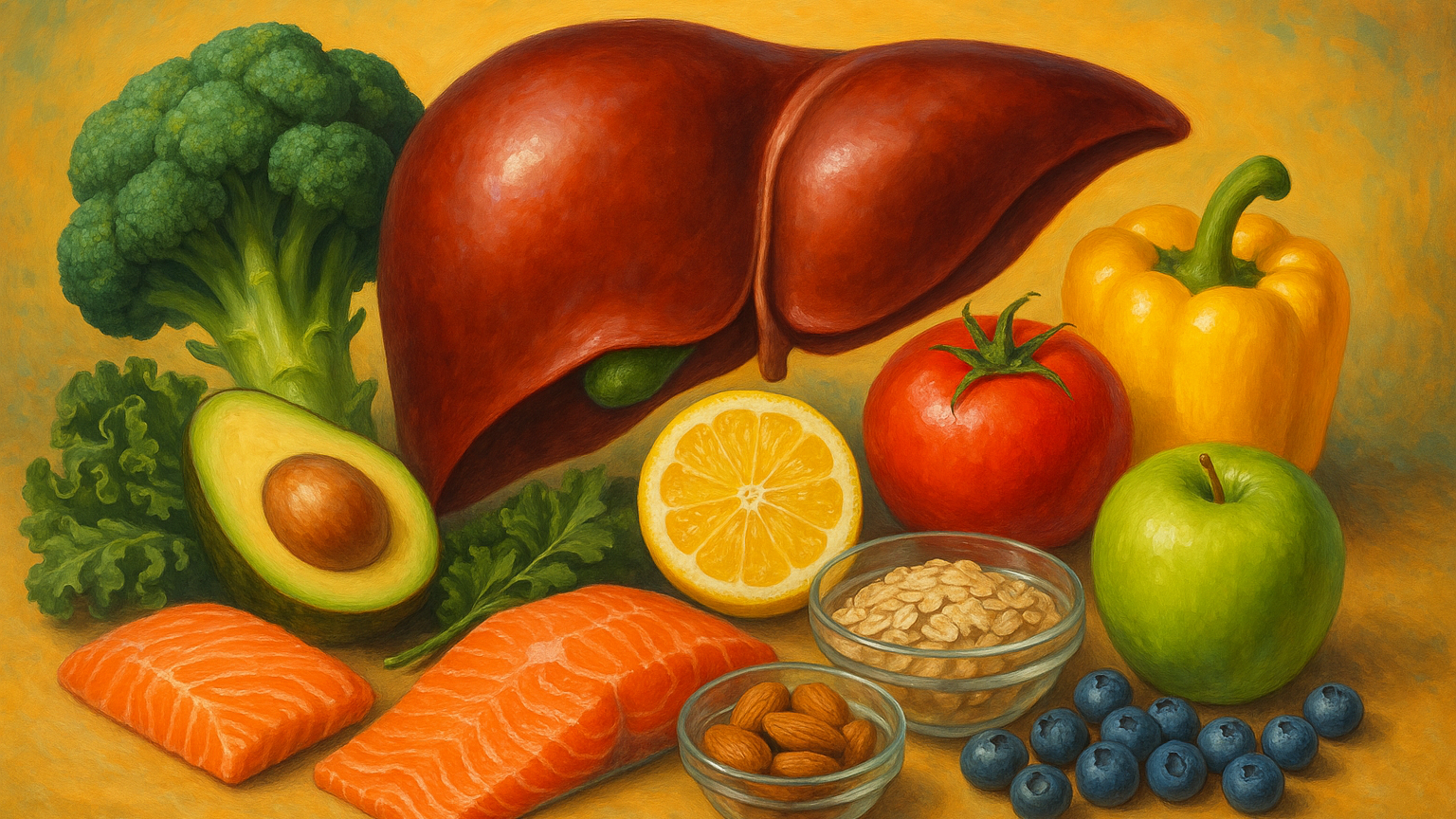
The liver plays a central role in fat metabolism. It processes nutrients, regulates hormones, and removes waste.
Low-carb, high-protein recipes for metabolism support liver function by reducing sugar intake and increasing amino acid availability. This helps the liver break down fat more efficiently.
Scientific reviews published in Hepatology Research show that excessive sugar intake strains liver fat metabolism and slows overall weight loss.
The Link Between Gut Health
Gut bacteria influence hunger, inflammation, and fat storage. An imbalanced gut can interfere with both diet and supplement effectiveness.
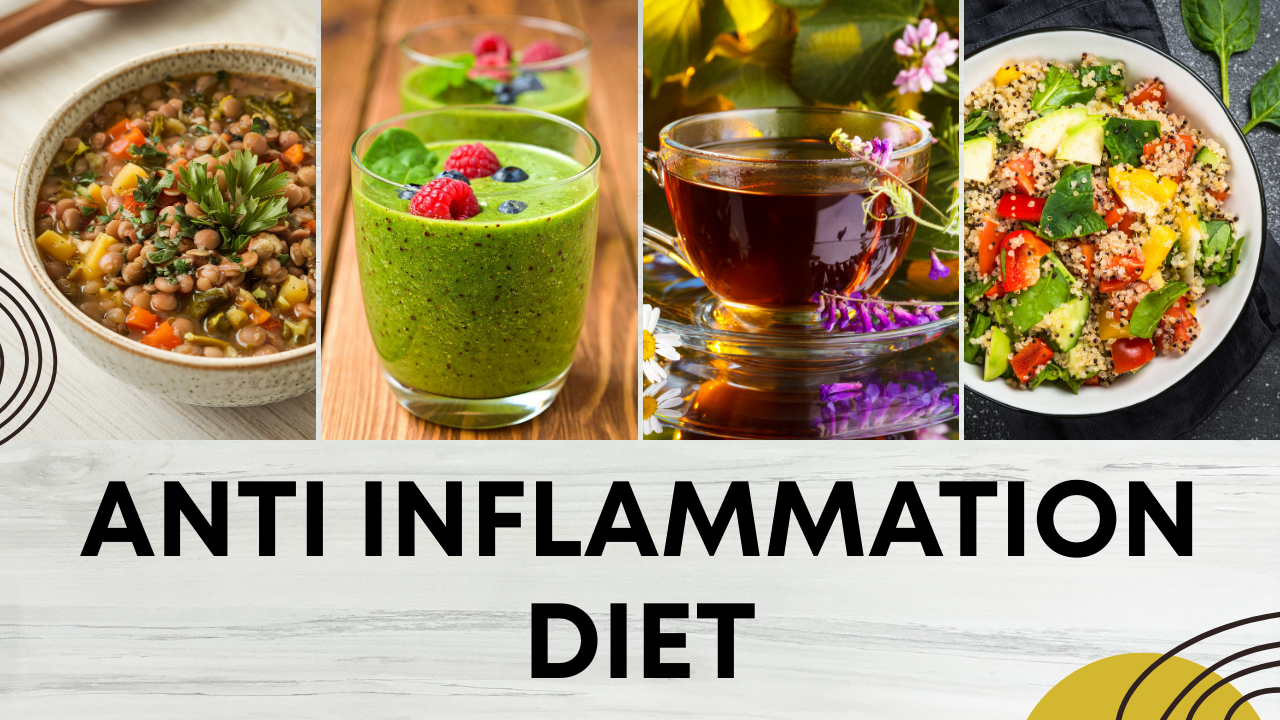
Natural weight loss meals for women that are high in protein and fibre help nourish beneficial gut bacteria. Lower sugar intake slows the growth of harmful microbes.
The American Journal of Clinical Nutrition reports that improved gut balance enhances metabolic efficiency and appetite regulation.
Safety of Hormones
Supplements work best when the body feels safe. Long-term stress raises cortisol, which blocks fat loss.
High-protein meals lower cortisol by stabilising blood sugar and reducing hunger-related stress. This creates a calm hormonal environment where supplements can support fat loss instead of being blocked by stress signals.
This is especially important for women with busy lifestyles or a long history of dieting.
Women Over 40
After age 40, hormonal changes affect how the body responds to food and supplements. Lower oestrogen levels reduce insulin sensitivity and increase muscle loss risk.
Low-carb, high-protein diets for women over 40 help protect lean muscle and reduce fat-storage signals. At this stage, protein intake becomes essential.
The Mayo Clinic states that adequate protein intake is necessary for maintaining metabolic health and physical performance in older women.
Timing Is Important
Taking supplements on an empty stomach or with high-carb meals reduces their effectiveness.
High-protein meals for slow metabolism improve supplement timing by slowing digestion and enhancing nutrient absorption. This allows active compounds to be released gradually instead of all at once.
Consistent meal timing also reduces metabolic stress and improves results.
Why Supplements Do Not Work
Most supplement failures are not caused by poor products. They fail because the body cannot process them properly.
High insulin levels, impaired liver function, muscle loss, and unstable blood sugar prevent supplements from working effectively.
Natural weight loss supplements that work with meals remove these barriers. Food becomes the foundation. Supplements become the support.
Results That Last
When diet and supplements work together, results become calmer and more predictable. Hunger decreases. Energy improves. Fat loss becomes steady instead of inconsistent.
This synergy separates short-term weight loss from long-term success.
Important Point
Supplements are not shortcuts. They are tools. Low-carb, high-protein diets create the biological environment that allows supplements to support fat loss, metabolism, and hormone balance. This is especially helpful for women who have struggled to see progress.
Questions and Answers
Are dishes with low carbs and high protein safe for women?
Yes. Most women can safely eat low-carb, high-protein meals as long as they are balanced and full of nutrients. This method helps keep blood sugar levels stable, muscles healthy, and hormones in balance. It is important to eat whole foods, get enough protein, and include healthy fats.
How much protein do women need to lose weight?
Most women need 20 to 30 grams of protein with each meal. This amount helps control cravings, protect muscle, and boost metabolism. The Mayo Clinic states that spreading protein intake across the day is better than eating it all at once.
Can eating low-carb meals speed up a slow metabolism?
Yes. Meals with high protein help preserve lean muscle, which keeps metabolism active. Eating fewer carbs also reduces insulin spikes that block fat burning, which is especially important for women over 40.
Should I eat meals that are low in carbs and high in protein when taking supplements?
Yes. Meals that help natural weight loss supplements work improve absorption and effectiveness. Supplements perform best when blood sugar is stable and protein intake is sufficient.
Are these recipes good for women who are 40 or older?
Yes. Low-carb, high-protein meals for women over 40 help prevent muscle loss, insulin resistance, and hormonal changes. Protein becomes increasingly important with age for maintaining metabolic health.
How quickly will I see results?
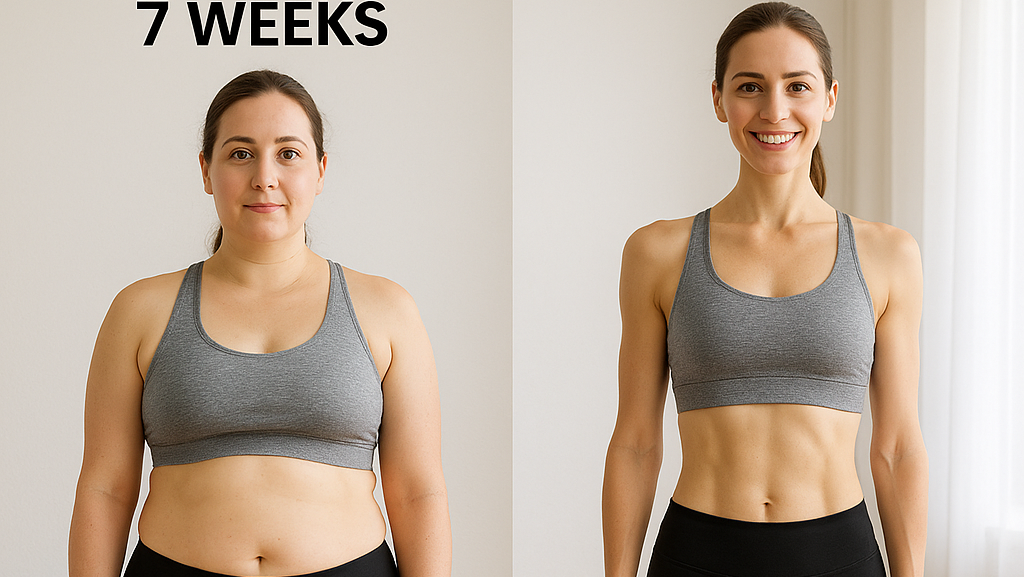
Many women notice reduced appetite and improved energy within 7 to 10 days. When meals are consistent and supportive, visible fat loss usually occurs within a few weeks.
End
You do not have to follow extreme diets or constantly restrict food to lose weight. Weight loss requires meals that work with your body. Low-carb, high-protein dishes help stabilise blood sugar, reduce cravings, and protect metabolism. This is especially true for women who feel stuck or frustrated.
When food becomes the foundation, results feel calmer and more sustainable. Combining smart meals with supportive tools can further improve outcomes. If you are ready to try a better approach, start with low-carb, high-protein dishes that support fat loss and build consistency from there.
👉 Try this method for two weeks and observe how your hunger, energy, and focus change.
1️⃣ For a Simple Meal
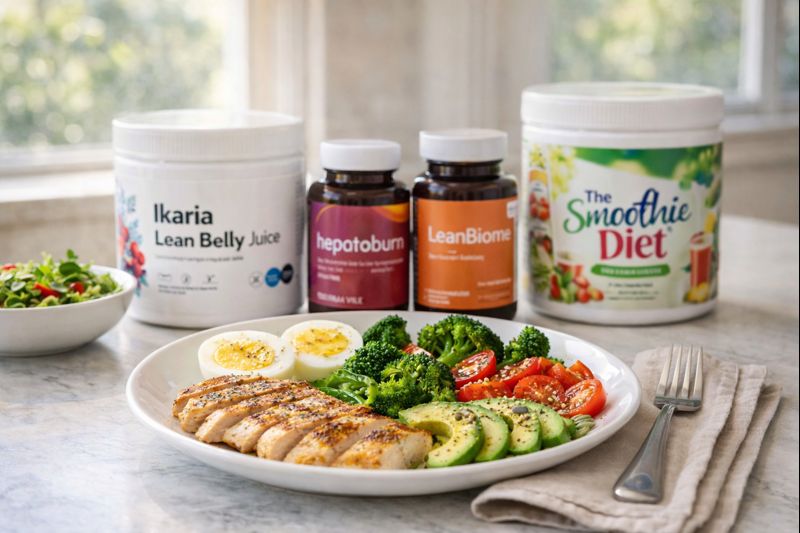
The Smoothie Diet Programme helps provide ready-made low-carb, high-protein meal ideas.
👉 Recipes with low carbs and high protein may be found at
https://tinyurl.com/mwrezbrp
2️⃣ To Help with Belly Fat and Metabolism
Many women combine meals with Ikaria Lean Belly Juice to support stubborn fat and metabolic health.
👉 Recipes with low carbs and high protein that help you lose weight
https://tinyurl.com/5c55czae
3️⃣ To Lose Weight Through the Liver and Gut
Because fat metabolism depends on liver and gut health, combining meals with HepatoBurn and LeanBiome may help.
👉 Recipes with low carbs and high protein that speed up your metabolism
https://tinyurl.com/3b8h2vkz
👉 Recipes with low carbs and high protein that are good for your gut
https://tinyurl.com/2wmmpafk
Health Warning
This post is for educational purposes only and should not be considered medical advice. Always consult a qualified healthcare professional before changing your diet or using supplements, especially if you have a medical condition or are taking medication.