Can the 21-Day Smoothie Challenge Unlock Natural Weight Loss?
A lot of women silently look for natural ways to lose weight that are safe, realistic, and emotionally supportive. Strict diets may promise speedy results, but real life reveals a different picture. Your energy drops, your appetites soar, and your confidence progressively fades. This loop that keeps happening makes losing weight feel more perplexing than empowering.
The 21 Day Smoothie Challenge sounds different since it offers food instead of punishment. A brief, structured plan can seem possible for people with busy schedules. Women who want to lose weight in a healthy way without going on a diet typically look for easy routines that help balance hormones, metabolism, and appetite.
Problem That Is Not Clear
Why weight stays
A lot of women cut back on calories but still have trouble losing abdominal fat beyond 30. Some of this conflict can be explained by science. The American Journal of Clinical Nutrition presented research that showed that resting metabolism slows down naturally as we become older. Changes in hormones between the 30s and 40s also affect how fat is stored and how hungry you feel.
Stress is another biological barrier. The National Institutes of Health say that higher levels of cortisol are linked to more fat in the stomach. When stress stays the same, the body keeps stored energy instead of using it. This makes it feel like women’s moderate fat reduction is taking too long.
Another hidden factor is how well you sleep. Leptin and ghrelin, the hormones that control hunger and fullness, change when you do not get enough sleep. Even after eating a nutritious meal, women may still feel hungry. Over time, this tendency makes it hard to lose weight safely at home if you merely monitor calories.
Confusion about diets
A lot of the time, advice you find online is wrong. Popular plans encourage:
- very few carbs
- tight times for fasting
- very low calorie intake
- claims for quick detox
Changing methods often may slow down metabolism even more. The body sees constraint as a threat to survival and saves energy. This biological response is why health professionals are starting to trust the goal of losing weight without dieting more and more.
Emotional baggage
Weight problems are not only physical. Studies in Obesity Reviews show that failing to lose weight over and over again is linked to higher stress, anxiety, and lower self-esteem. Emotional tiredness might make it harder to stick to healthy practices over time.
So, a beneficial solution must be:
| Quality Needed | Why It Matters |
| A kind way | Helps hormones and metabolism |
| Easy schedule | Lessens the stress of making decisions every day |
| Food that is high in nutrients | Increases energy and fullness |
| Pace that can last | Helps women lose fat that stays off for good |
Most plans fail emotionally before they fail physically if they do not have these things. Knowing about this hidden problem makes meaningful change possible.
Getting More Frustrated
Stuck but healthy
A lot of women already consume a balanced diet. You start to eat salads, drink water, and eat smaller meals every day. Still, ladies may not be able to lose weight naturally. This difference between effort and result makes people quite angry.
One reason is because blood sugar levels are unstable. Even modest, processed snacks can make insulin levels go up. Studies in Diabetes Care reveal that raising insulin levels over and over again makes the body store fat, especially around the stomach. So, stable nutrition is important for balancing hormones and losing weight.
Cravings and dips of energy
Eating fewer calories often makes you feel worn out. When the body feels like it does not have enough food, hunger hormones rise to keep it alive. This reaction is biological, not a personal failure.
Smoothies that are high in fibre, protein, and minerals may help you feel full. The Nutrition Journal reports that people feel fuller after drinking balanced liquid meals than after drinking sugary drinks. This is why more and more people are interested in a smoothie weight loss strategy that provides constant nutrition.
Women often say they have trouble with:
- tiredness in the afternoon
- wanting sugar late at night
- mood changes that happen when you are hungry
- slow or stop scale progress
These signs show that something is wrong, not that you are not disciplined.
Looking for help
People all across the US are still searching for meal replacement smoothies for weight reduction and detox smoothie cleanses for weight loss online. This trend shows that people want realistic, helpful answers instead of excessive dieting.
Structured guidance can help people understand things better. A precise schedule helps women stay focused on doing things the same way every time instead of having to make decisions all the time. For a lot of people, looking into a guided system like the 21-Day Smoothie Challenge might seem like a beneficial next step for ladies who want to lose weight naturally:
Turning point in feelings
When a compassionate answer comes along, frustration can turn into motivation. Instead of making big changes, sustainable transformation usually starts with simple, repetitive habits. A more realistic way is to eat foods that support metabolism, digestion, and hunger all at the same time.
The next step in finding out if the 21 Day Smoothie Challenge will really help you lose weight in a healthy way without dieting is to learn how smoothie-based structure works in the body.
Easy Answer
What is the problem?
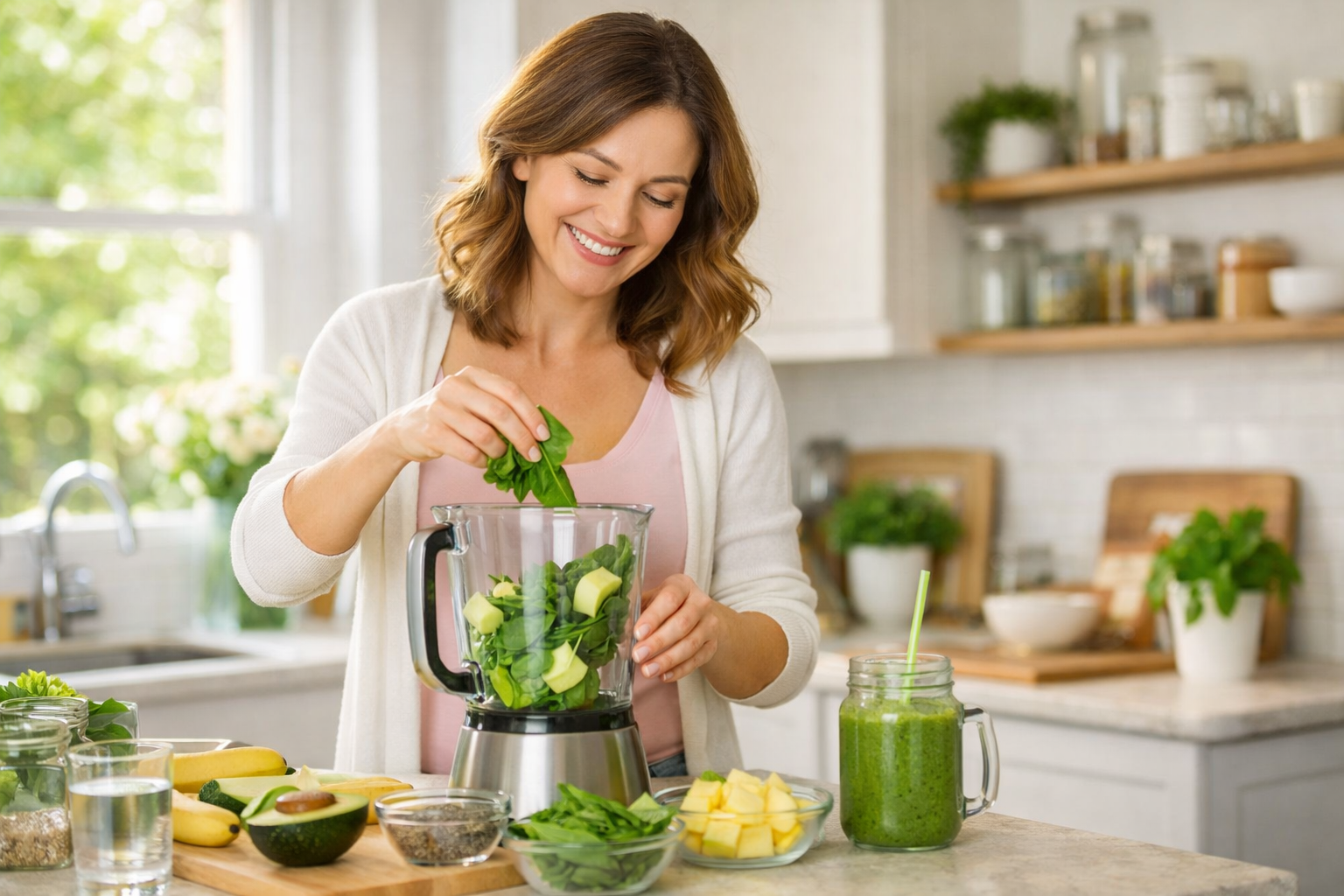
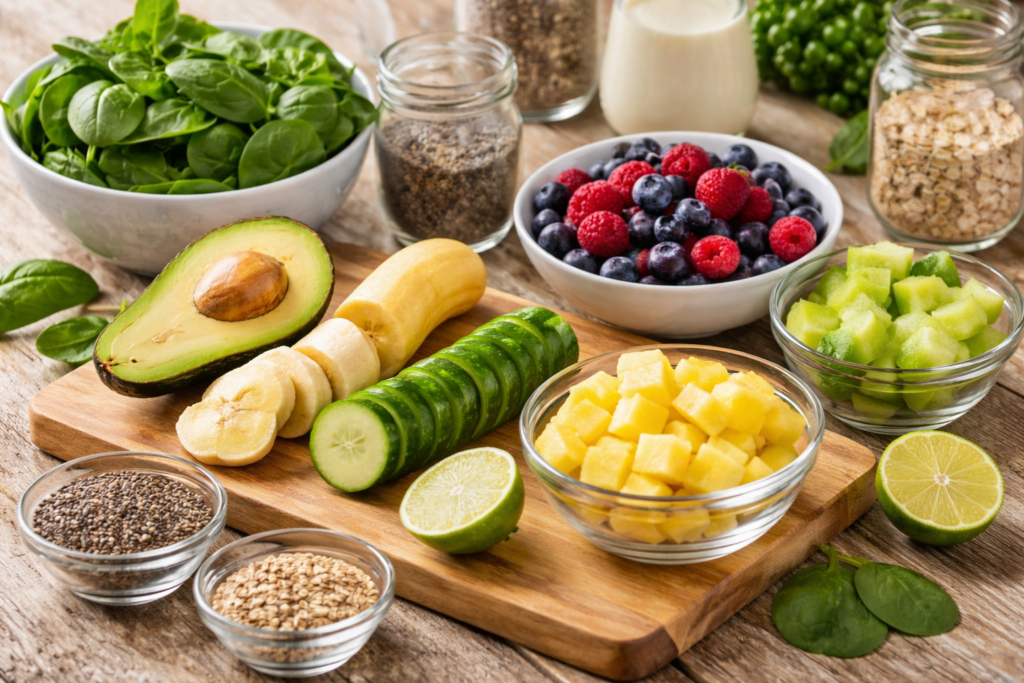
The 21 Day Smoothie Challenge is a brief, planned nutrition plan that helps women lose weight naturally by finding balance instead of cutting back. The programme does not tell you to skip meals or cut out whole food groups. Instead, it tells you to drink smoothies made with fruits, vegetables, and plant nutrients that are high in fibre.
It is generally easier to start short programmes because the timeframe is clear. Health Psychology Review’s research in behavioural science reveals that setting clear short-term goals makes it easier to stick to habits. A 21-day period gives the mind a goal to work towards while also giving the body time to get used to new eating, drinking, and digesting patterns.
How smoothies speed up your metabolism
Here are several ways that balanced smoothies can help with hormone balance and weight loss:
- Fibre slows down how quickly glucose is absorbed and keeps insulin stable.
- Protein helps you feel full and keeps your muscles strong.
- Micronutrients help enzymes work in the body.
- Drinking enough water helps with digestion and energy use.
Research published in the Journal of Nutrition & Metabolism indicates that increased fibre consumption correlates with reduced body weight and enhanced satiety. Overeating normally goes down when you feel full. This is why a smoothie diet plan could seem less harsh than calculating calories strictly.
Help with detox and digestion
People often do not understand what the word “detox” means. The liver and kidneys already help the body get rid of toxins. But foods that are high in nutrients can help the body’s natural detox processes by giving it antioxidants, water, and phytonutrients.
In the Nutrients Journal, scientists have looked at chemicals in leafy greens, berries, and seeds that may help lower oxidative stress. Lowering inflammation may help women lose weight in a moderate way, especially if they also keep their blood sugar levels consistent.
Why structure is important
Even if you eat healthy on the spur of the moment, it can still fail because you are not consistent. A guided routine takes the guesswork and decision fatigue out of the equation. Women who have to deal with work, family, and stress frequently do better with basic, consistent eating patterns.
Some of the main benefits of structure are:
| Part of the structure | Health Effects |
| Smoothies that are planned | Being conscious of portions |
| Regular timing | Blood sugar that stays stable |
| All-natural ingredients | Better feeling full |
| Short time | More people finished. |
Here is the whole 21-day smoothie challenge‘s natural plan for those who desire a clear starting point:
The start of real hope
When a solution seems possible, hope builds. Not perfection, but constant progress is the goal. When nutrition helps metabolism instead of battling it, it makes sense that you can lose weight without dieting.
The next step in this journey is to set safe and inspiring expectations by knowing what changes to expect in your body over the next 21 days.
Gentle Weight Loss
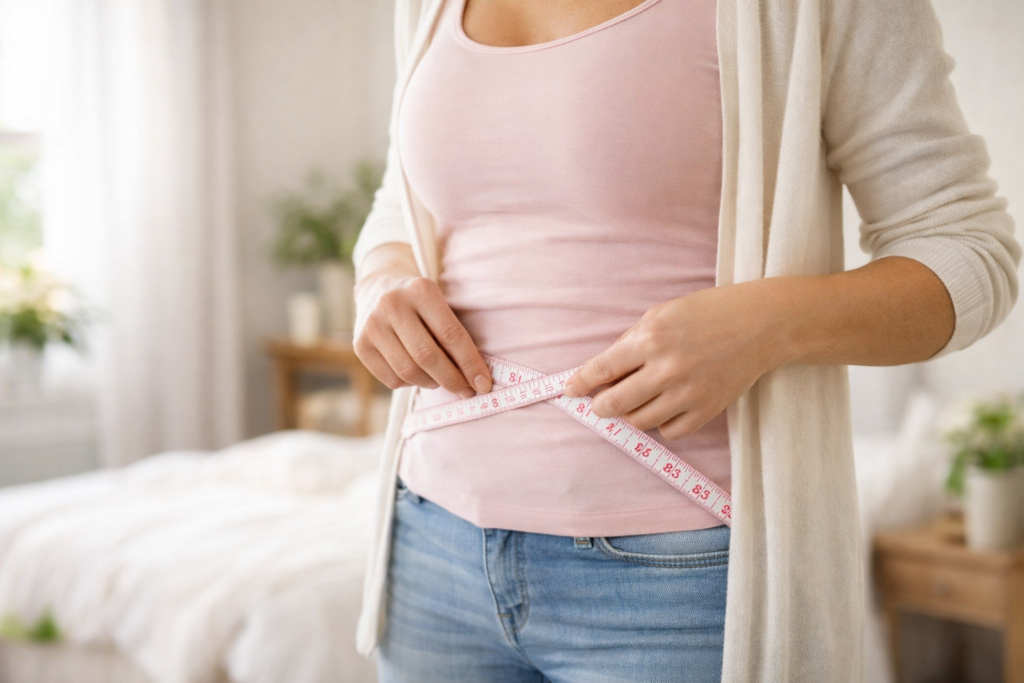
Changes in the body early on
Many women notice small changes in their bodies before they see a change on the scale during the first week of the 21-Day Smoothie Challenge. You drink more water, eat less sodium, and your digestion gets easier. The Appetite Journal says that eating more fruits and vegetables is linked to eating fewer calories overall without trying to cut back.
Some common early experiences are:
- less bloating
- easier digestion
- more steady energy during the day
- fewer desires that come out of nowhere
These signals point to the start of metabolic balance rather than quick fat reduction.
Balance in the middle phase
Women may start to lose fat naturally more noticeably after the second week. Diabetes Care says that stable blood sugar minimises frequent insulin spikes, which are linked to storing fat in the abdomen. When insulin levels are stable, the body can get to stored fat more easily.
Another important change is the stability of energy. Balanced smoothies provide you moderate, steady energy instead of quick highs and lows. This steadiness helps with daily movement, which helps burn calories even without extreme activity.
Progress at the end
Some women notice things around the third week:
- Inch loss that is tiny yet clear
- better trust in how you eat
- more aware of when you are hungry and when you are full
- the drive to keep up healthy habits
The Centres for Disease Control and Prevention (CDC) say that losing 1 to 2 pounds per week is a safe rate of weight loss. This suggests that making small but important progress over 21 days is possible and medically sound.
Making sure expectations are safe
True healthy weight loss without dieting is more about long-term results than quick ones. Fast weight loss often comes back soon, but slow changes help you keep the weight off for good.
Some important things to remember are:
| Expectation | The truth |
| Change right away. | Slow change in metabolism |
| Very stringent limits | Food that is balanced |
| Effort for a short time | Building habits that last a long time |
For women who want a helpful beginning point, looking over the structured 21-Day Smoothie Challenge approach here may help:
Getting back your confidence
Change in your body is only one element of the trip. Feeling in control again may be the most effective effect. When eating is easy and you have steady energy, your confidence eventually comes back.
The next stage is to figure out how to use these results in real life so that the benefits of the 21-Day Smoothie Challenge last longer than the first three weeks.
Routine in Real Life
Simple every day
Time, not knowledge, is the primary thing that stops many busy women from losing weight naturally. It can be tiring to prepare meals, keep track of calories, and make plans all the time. An organised 21-day smoothie challenge makes this mental burden easy by giving you a regular routine that you can count on.
Simple rituals help people make habits. The European Journal of Social Psychology says that doing the same things over and over for a few weeks makes them more automatic. This means that a short, structured dietary plan can help you make long-term changes to your lifestyle.
A realistic daily rhythm might look like this:
- smoothie for breakfast to help you lose weight
- lunch with a good balance of whole foods
- Dinner that is light and full of nutrients
- Keep drinking water throughout the day.
This arrangement helps people lose weight in a healthy way without dieting since they keep getting the same amount of food instead of less.
Money and access
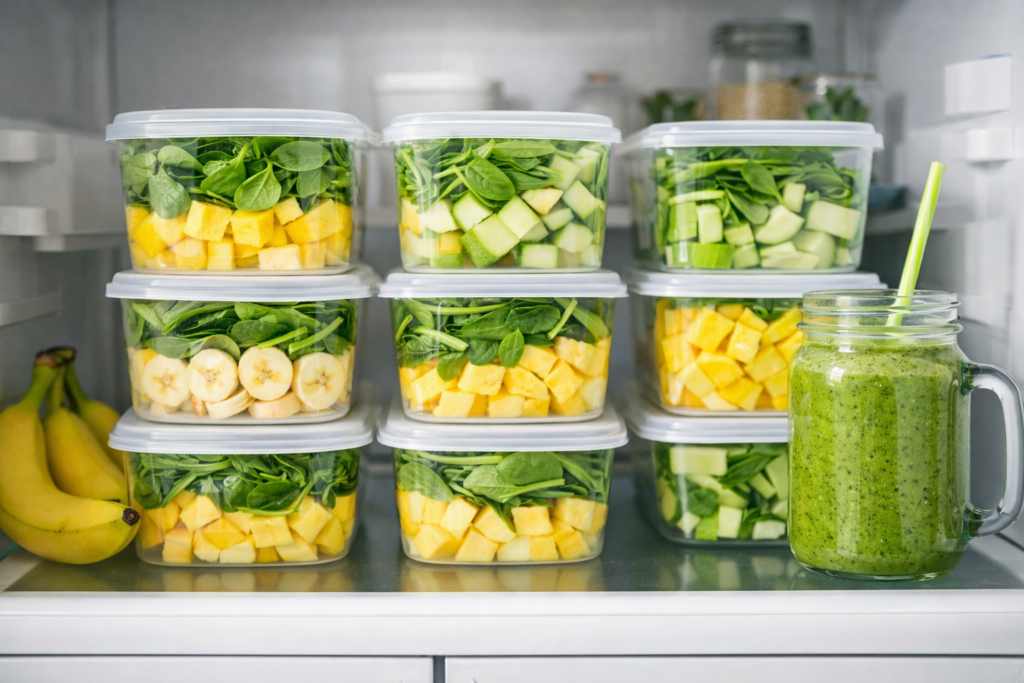
People often think that eating healthy costs a lot. But a lot of the things that go into smoothies, such as oats, bananas, spinach, seeds, and yoghurt, are easy to get and cheap in the US. Planning out your weekly meals will help you save money on food compared to getting takeout all the time.
| Habit of budgeting | Possible Gain |
| purchasing frozen fruit | reduced waste, lower cost |
| using fruits and vegetables that are in season | more nutrients, less money |
| cooking at home | fewer hidden calories |
| going over easy recipes | easier to keep up |
Women are more likely to keep losing weight gently if their finances are simple.
Mistakes that happen a lot
Even programmes that help can fail if people do not know about them. Some of the most common problems are:
- using too many sweeteners in smoothies
- not getting enough protein or fibre
- expecting a quick and big loss
- going back to previous habits right away
The Centres for Disease Control and Prevention say that lasting weight loss depends on behaviours that may be done over and over again. Staying away from extremes helps the metabolism and keeps hormones in balance, which helps with weight loss.
When structure is most helpful
A guided strategy is especially helpful for women who:
- feel like you have too many diet rules
- have cravings or energy dumps that are hard to deal with
- desire a safe way to lose weight at home
- A nutrition that focuses on plants
This is the whole structured 21-day smoothie challenge plan for readers who are ready to follow a clear path:
Creating habits that last
The real benefit of a brief challenge is not just losing weight but also changing your routine. When women get used to eating healthy foods, it becomes easier for them to lose weight naturally over time. Health that lasts is built on consistency, not perfection.
The last practical stage is to learn how to keep your results after the first 21 days.
Change that lasts
More than 21 days
What happens after the challenge ends will determine if women can lose weight in a healthy way. Going back to eating in a disorganised way can quickly undo progress. Maintaining balanced habits throughout time helps keep your metabolism stable.
The National Institutes of Health and other health groups say that lifestyle factors, including diet, sleep, stress, and exercise, are the most important things for long-term weight control. Short programmes operate best when they lead to regular routines.
Keeping up with progress
Some helpful ways to keep going are:
- maintaining one meal a day for weight loss in a smoothie
- putting entire foods high in fibre first
- keeping up with your hydration habits
- helping with sleep and stress balance
These actions help you lose weight in a healthy way without dieting, instead of just cutting back for a short time.
How you think and what drives you
Changes in emotions might be just as important as changes in the body. Being confident, organised, and hopeful makes it easier to stick to healthy habits. Research in Behavioural Medicine associates positive self-perception with enhanced long-term weight results.
Small successes, like having more energy, better digestion, and more confidence, show that you are making progress even before you see big changes. Seeing these indicators makes women more motivated to keep losing weight slowly.
Safety and realness
True wellness does not make big promises. It usually takes a long time to lose fat safely. The CDC says that it is better to cut back slowly each week than to make big changes all at once. This keeps hormones, muscles, and the metabolic rate safe.
The 21-Day Smoothie Challenge is an example of a balanced strategy that tries to start change, not compel it. Sustainability is the only real measure of success. Starting with clarity frequently seems easier than starting with confusion. A gentle structure can help women lose weight naturally and keep it off.
Conclusion
For women, the path to losing weight naturally is rarely just about willpower. Stress, hormones, metabolism, and sleep all affect the results. A gentle, nutrient-rich plan, like the 21 Day Smoothie Challenge, can help you get started when standard dieting seems too hard.
The biggest long-term changes generally come from small, steady practices. If you are ready to try a way to lose weight without dieting, check out the 21 Day Smoothie Challenge and get started now.
A helpful next step
Women who want an organised, healthy way to start can look into the whole 21 Day Smoothie Challenge programme here:
Questions and Answers
1. Does the 21-Day Smoothie Challenge really work?
Results may vary, but women may lose fat slowly and naturally if they stick to a regimented diet.
2. How much weight can you lose in three weeks?
Health experts say that losing 1 to 2 pounds every week is safe.
3. Are smoothies that substitute meals beneficial for you?
Balanced smoothies that have fibre, proteins, and vitamins can help you lose weight without dieting.
4. Can smoothies help you lose weight around your stomach?
They might help indirectly by keeping blood sugar levels stable and limiting the number of calories eaten.
5. Is this safe for ladies who are 30 or 40 years old?
Gentle dietary methods are usually fine, but it is best to talk to a doctor beforehand.
6. Should I work out while the challenge is going on?
Light movement helps your metabolism, but you do not have to work out hard.
7. Will the weight come back after 21 days?
For women, keeping up good habits is the key to losing weight naturally and keeping it off.
8. Are detox smoothies backed by science?
The body naturally cleans itself, and foods that are high in nutrients help with this process.
9. Who should not do smoothie programmes?
People who are sick should talk to a doctor or nurse first.
10. Where do I begin the programme?
You may read about the structured 21-day smoothie challenge here:
https://tinyurl.com/mwrezbrp
Disclaimer
This article is solely for learning and should not be used instead of professional medical advice, diagnosis, or treatment. Before starting any weight loss or nutrition programme, especially if you already have health problems, you should always talk to a trained healthcare professional.